Viewing entries in
biodiversity

Earth Day. Farm Journal Philo, Spring '26

Comment

Earth Day. Farm Journal Philo, Spring '26

I was holding my iphone aloft, Merlin Bird ID recording songs and calls in the foggy pre-dawn air, bird names unspooling as the app identified them : Violet-green Swallow, Red-shouldered Hawk, Black Phoebe, Allen’s Hummingbird, Hutton’s Vireo, Cassin’s Vireo, Purple Finch, Spotted Towhee, Townsend’s Warbler, Rufous Hummingbird, Wrentit, Western Warbling Vireo, Steller’s Jay, Hermit Thrush, Cedar Waxing. American Robin.

Now Birdsong is beautiful whether or not you have a clue to the identity of bird you are hearing ; I remember thinking it seemed an impressively long list, a fine start to spring. The Cornell Lab of Ornithology app even provides you with a photograph of each bird you are hearing and on this morning the menagerie around me proved to be beautiful, small, distinct, emerald colored. I could only identify three little fellows dive bombing the hedges, careening across the sky. So much life above and, come to think of it, below me. How dumb I was to almost all of it.

And that’s when it happened. I was standing at the edge of a meadow where our farm meets the forest. Turned off the app, put the phone down, closed my eyes. Just listening, sightless, to all the life lifting off and landing. And I just ‘stepped off’ as gentle as you please, one instant listening to all the beautiful fluttering life, the next just …being… in it.

Small word ‘in.’ Ranges from ‘in the market looking for tomatoes,’ to ’in the throes of death.’ We are always, ‘in’ life, doing something or looking for something to do. But in that fragment of time before I opened my eyes I went from being a participant in life - woman who needed a coffee, Woman who needed to start harvesting flowers for the restaurant before the sun came up, old Woman with aching back, remanent of an Ada Limon poem stuck in her head, to something else. Something I could not name, but felt, deeply. It was as if the line between my body and the world wavered and then, for an instant, dissolved. Reality slipped a sprocket, and in that space a pure kind of consciousness and a fantastical sense of … belonging. When I opened my eyes the sensation disappeared, but the intricate beauty of everything around me remained. I must tell you the way it all flowed together was astounding. Nature is astounding.

Down in Healdsburg the next day I dropped into Levin & Co and bought Michael Pollen’s new book ‘A World Appears.’ Pollen is a wonderful writer. For his entire career he has been grasciously circling notions of what makes us tick, how we think about and moderate the world to suit us as humans, what may just lay beyond those fragile connections. I’ve yet to get to the part which might help explain where I landed that morning with the birds, more to the point, what drives the need we all have to feel true belonging. Irreligious all my life, I’m crap at meditation - my moment with the birds was not casting my eyes to Heaven in search of a spiritual connection nor going deep within, peace through the abdication of self.

Engagement is not the same thing as belonging. In this technologically driven moment it may seem to be the most valuable thing about us as humans - but it’s not. It’s our ability to connect, to truly belong to the living world, to this Earth, emphatically, warily, with curiousity and, eventually, with love.
Happy Earth Day. We hope you have the desire and freedom to get out there into it, let enfold you. Don’t ‘pay attention‘ or ruminate on anything other than the breath in your lungs, the sweet smell of flowering branch, color that doesn’t need adjusting. Spring has come on fast and furious. This one is a pip.

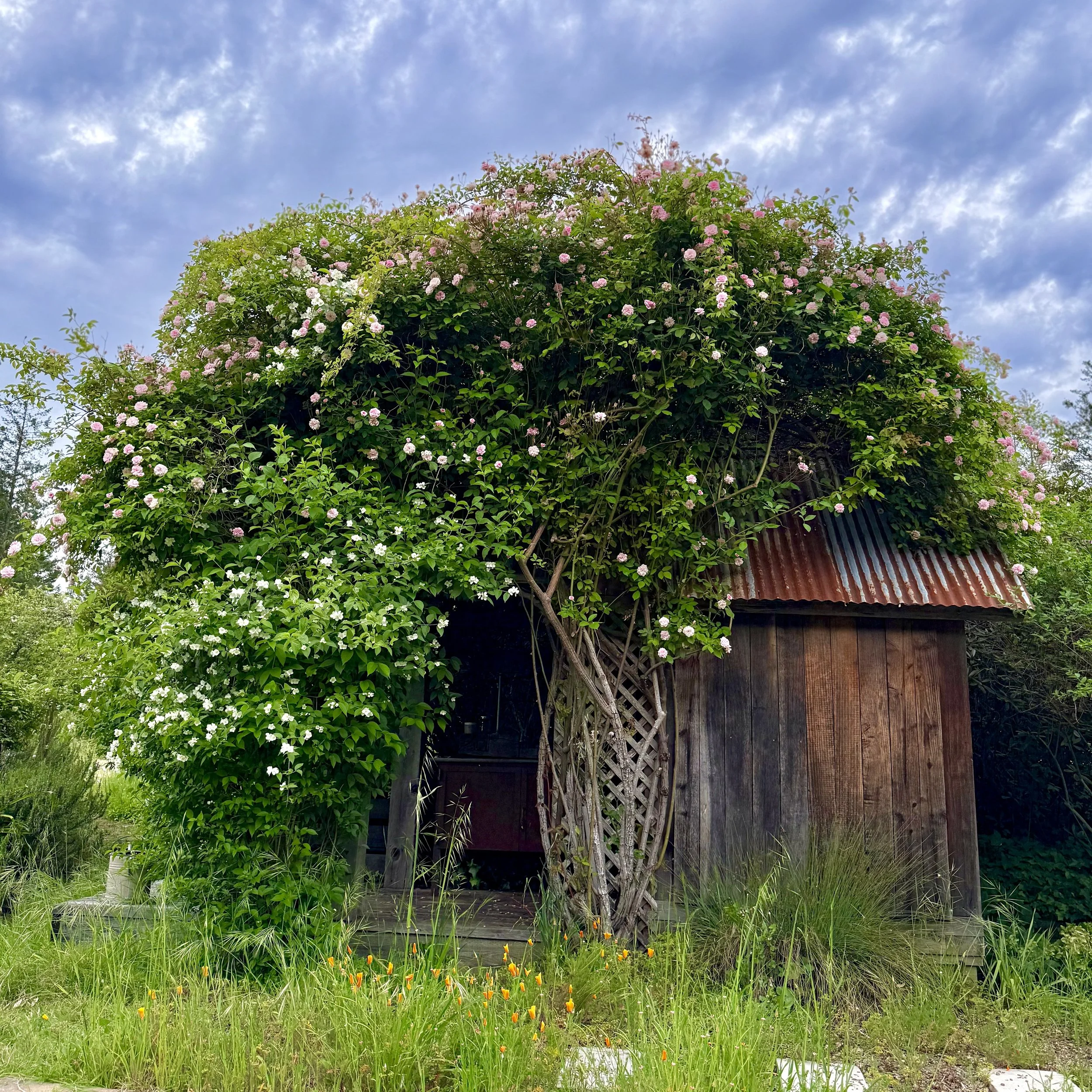
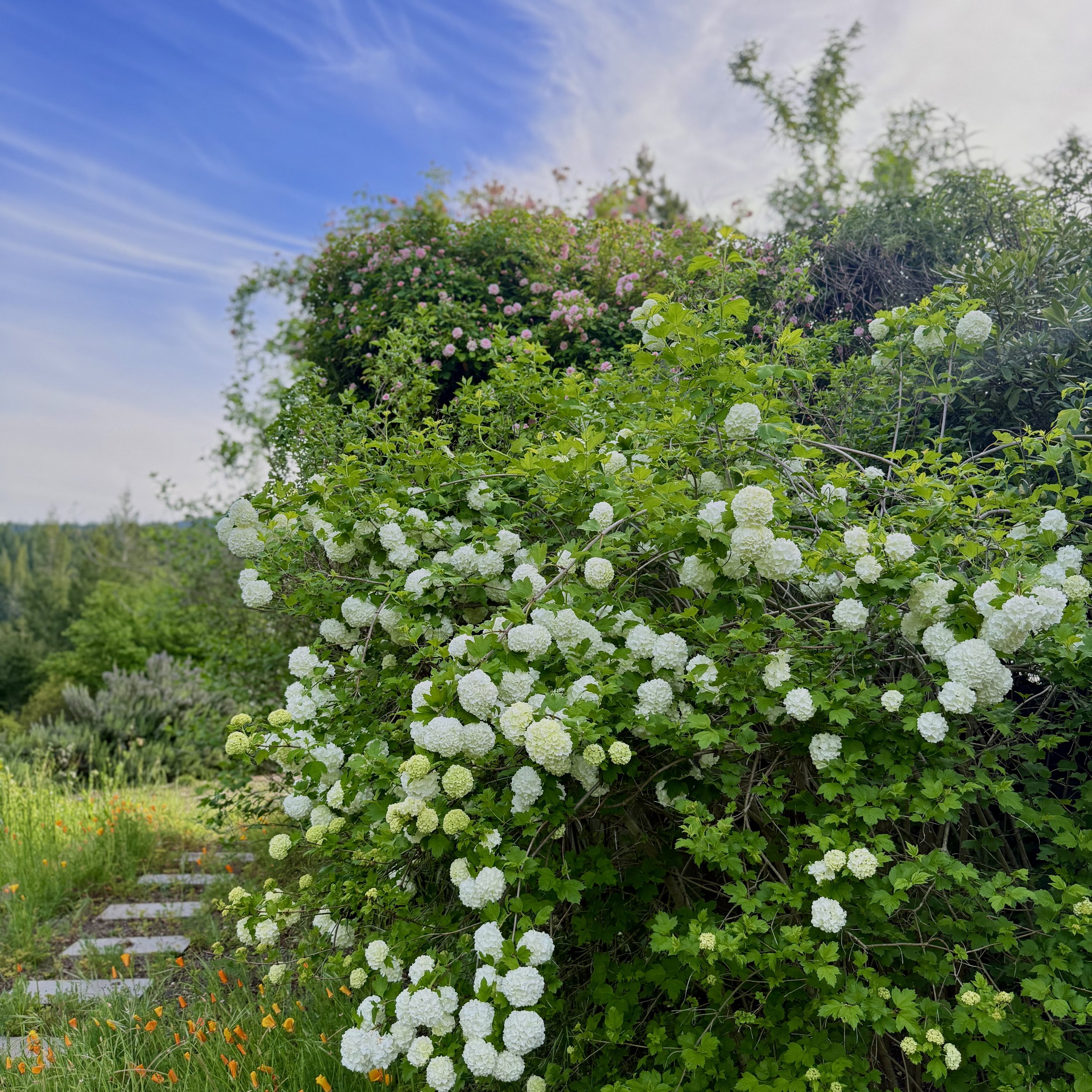
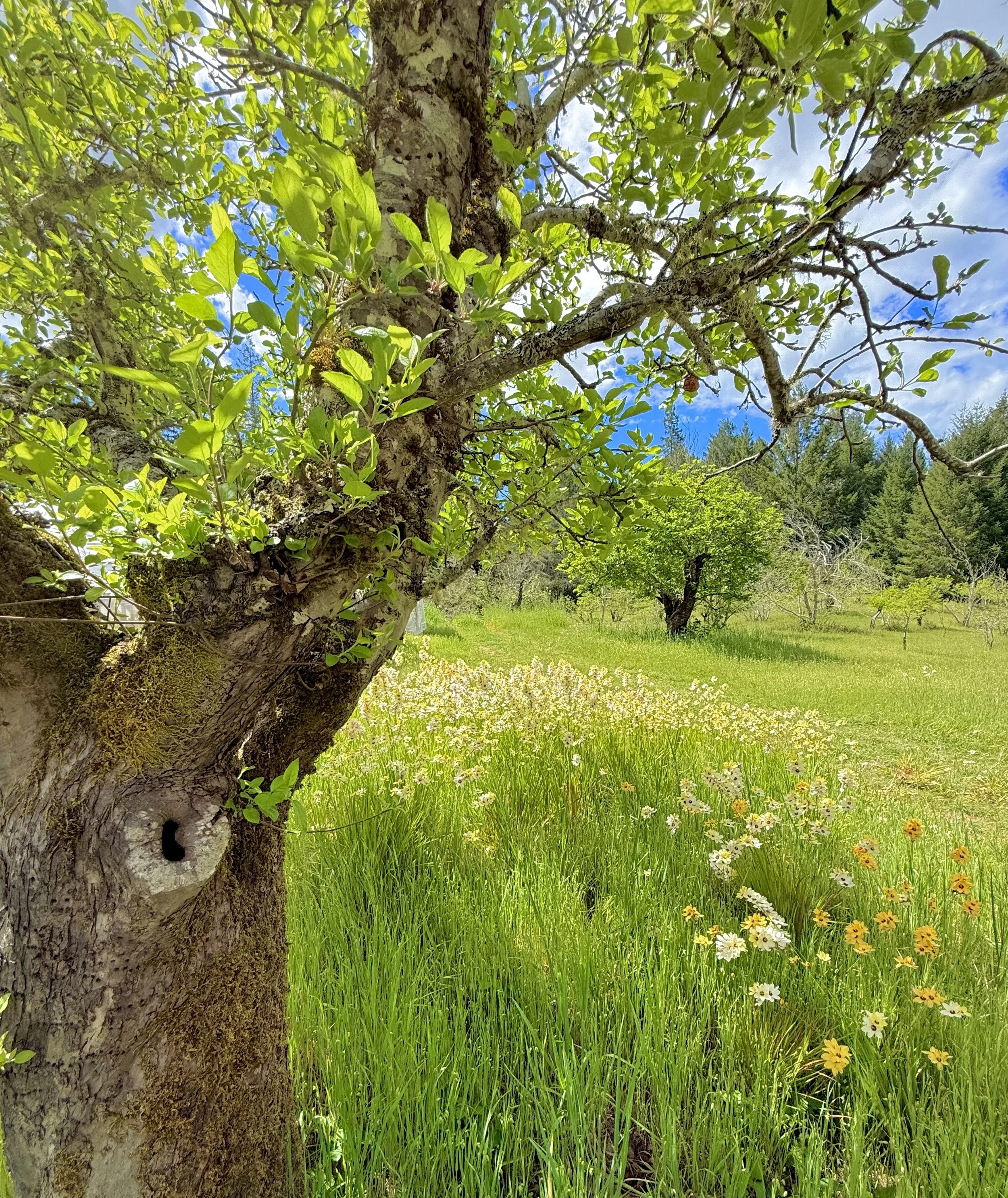
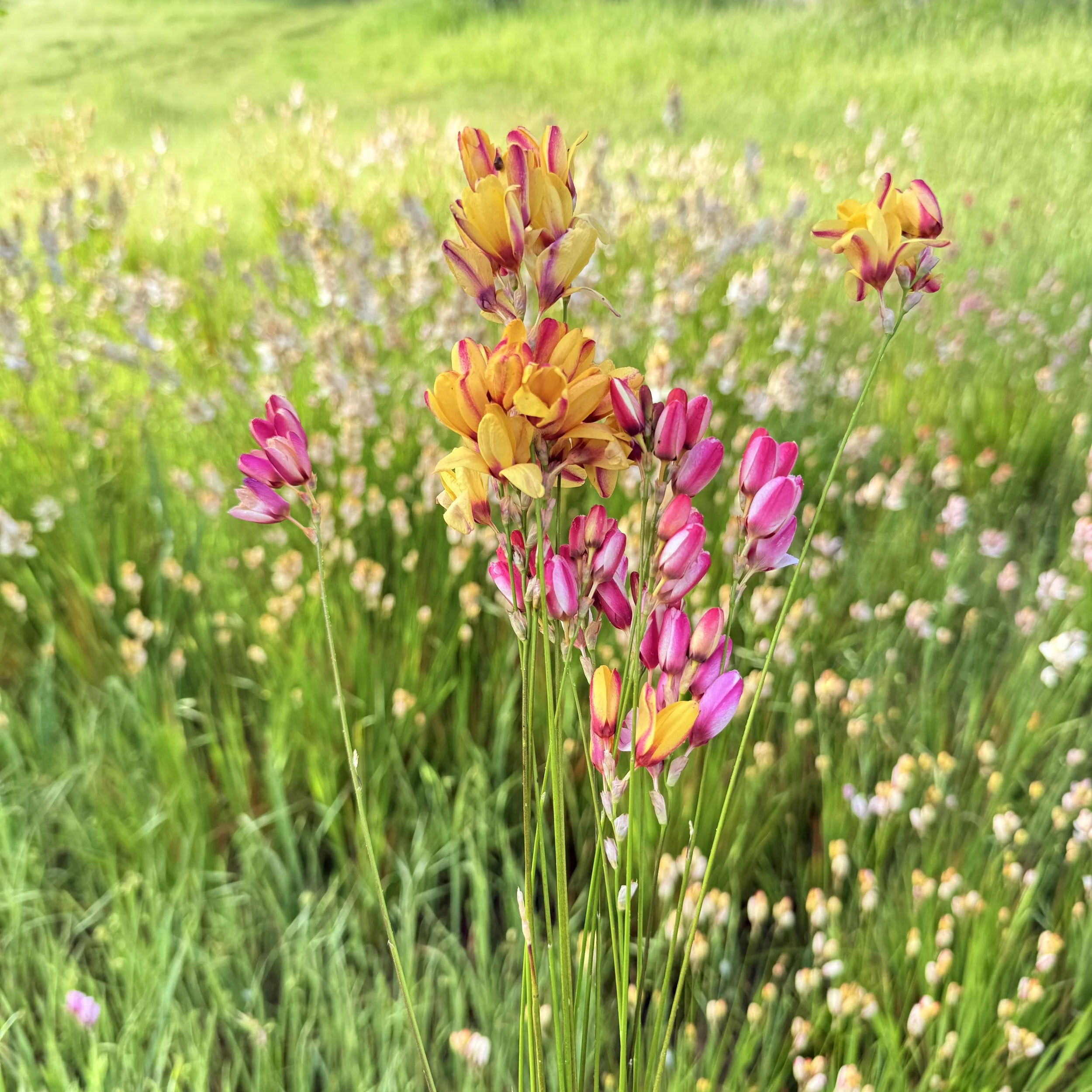
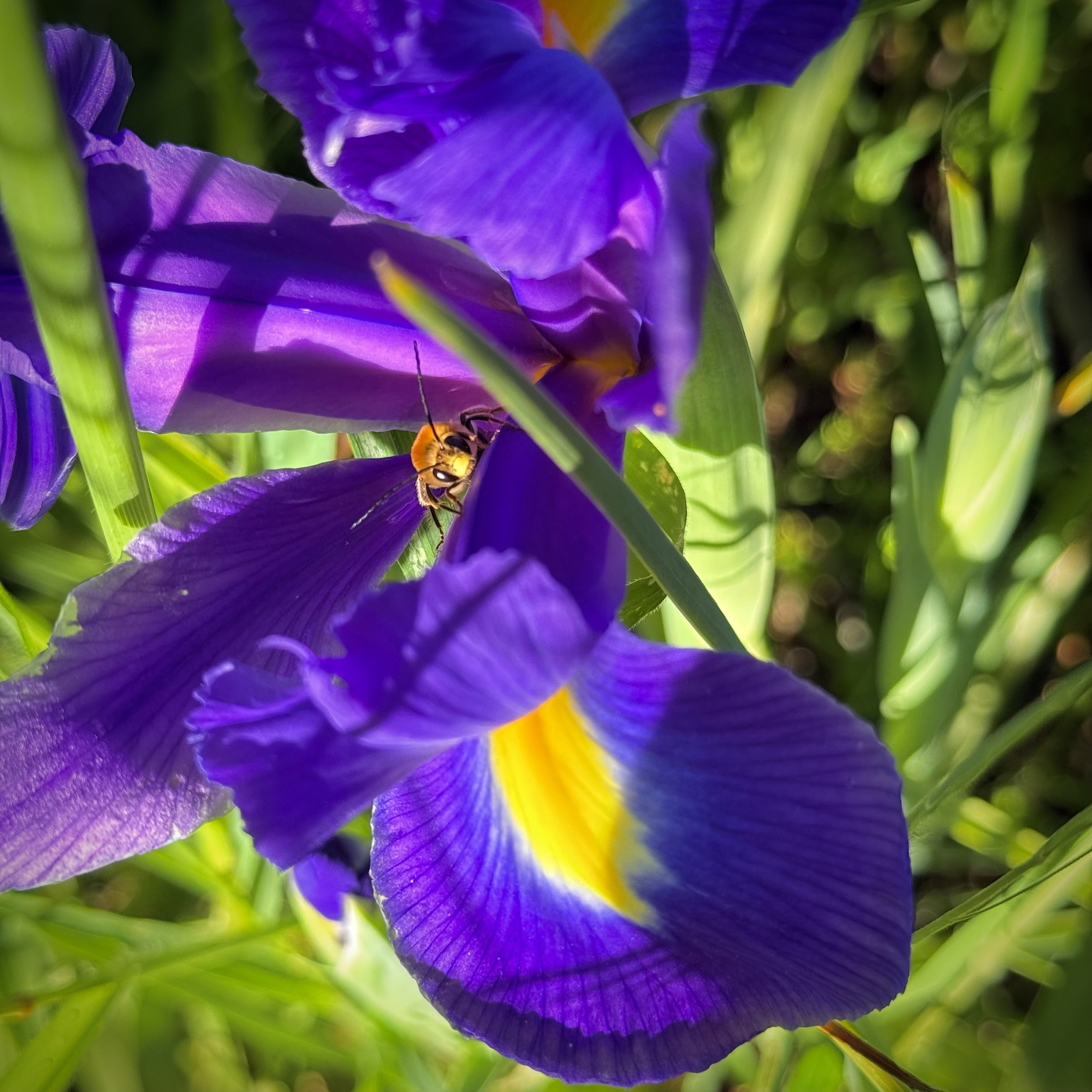
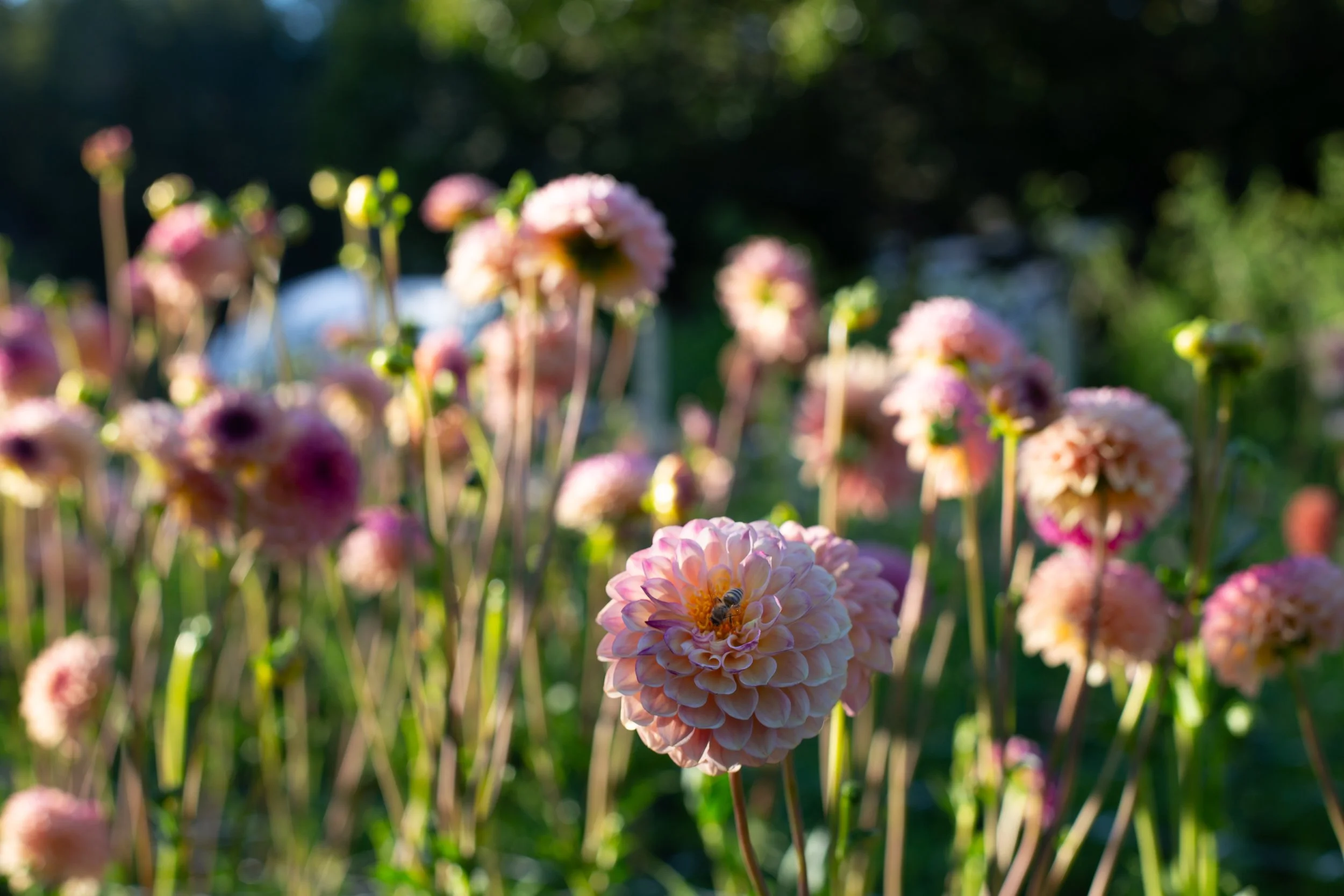
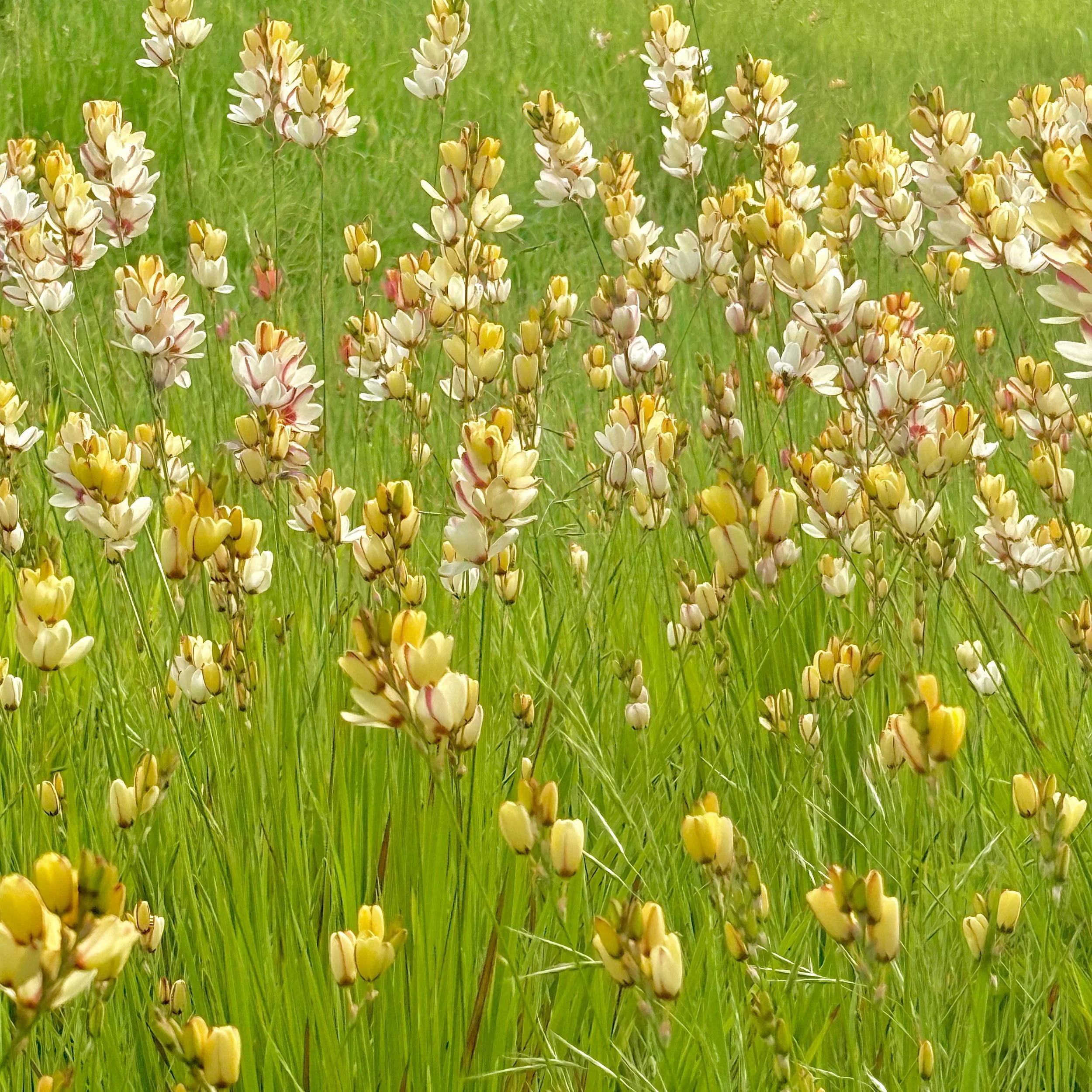
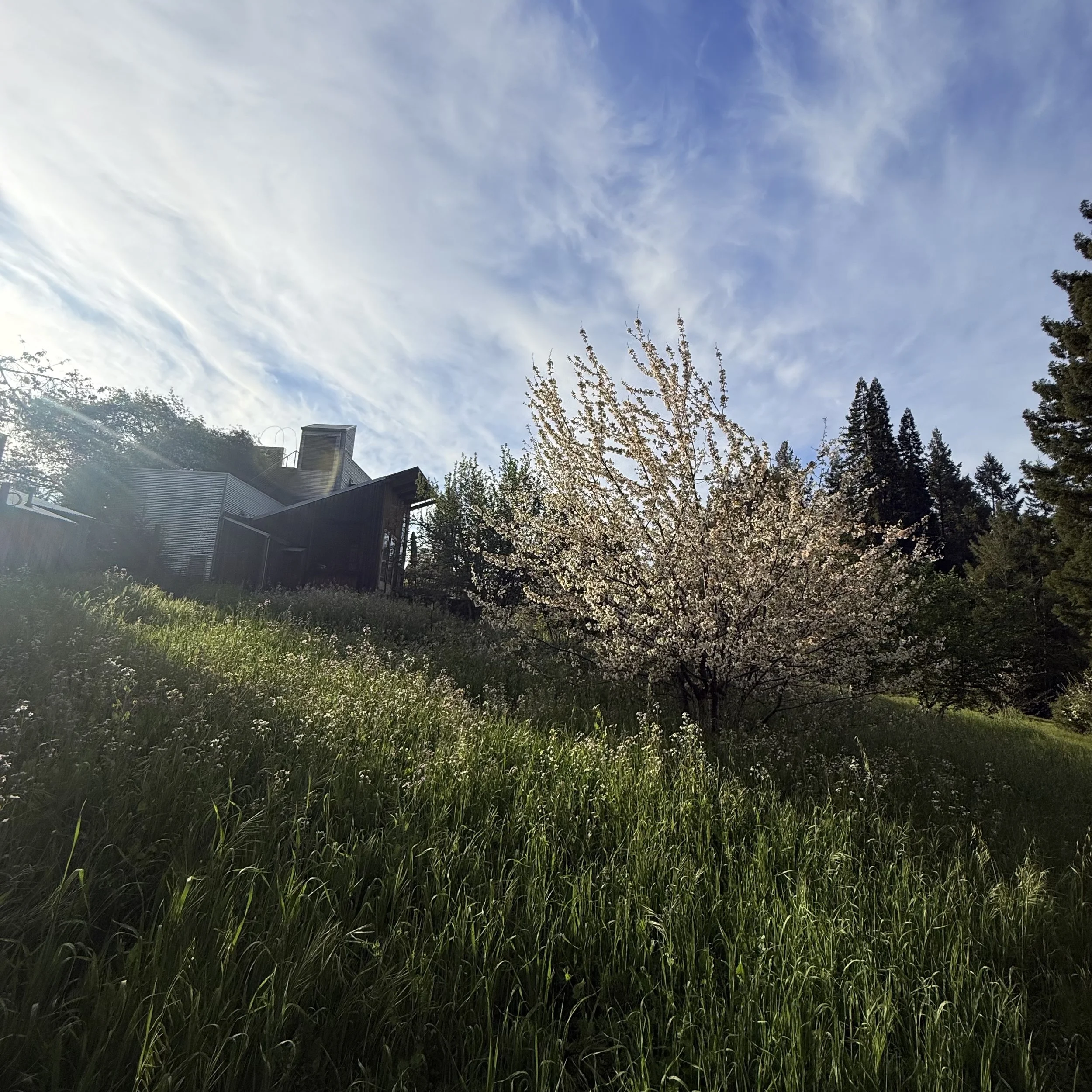
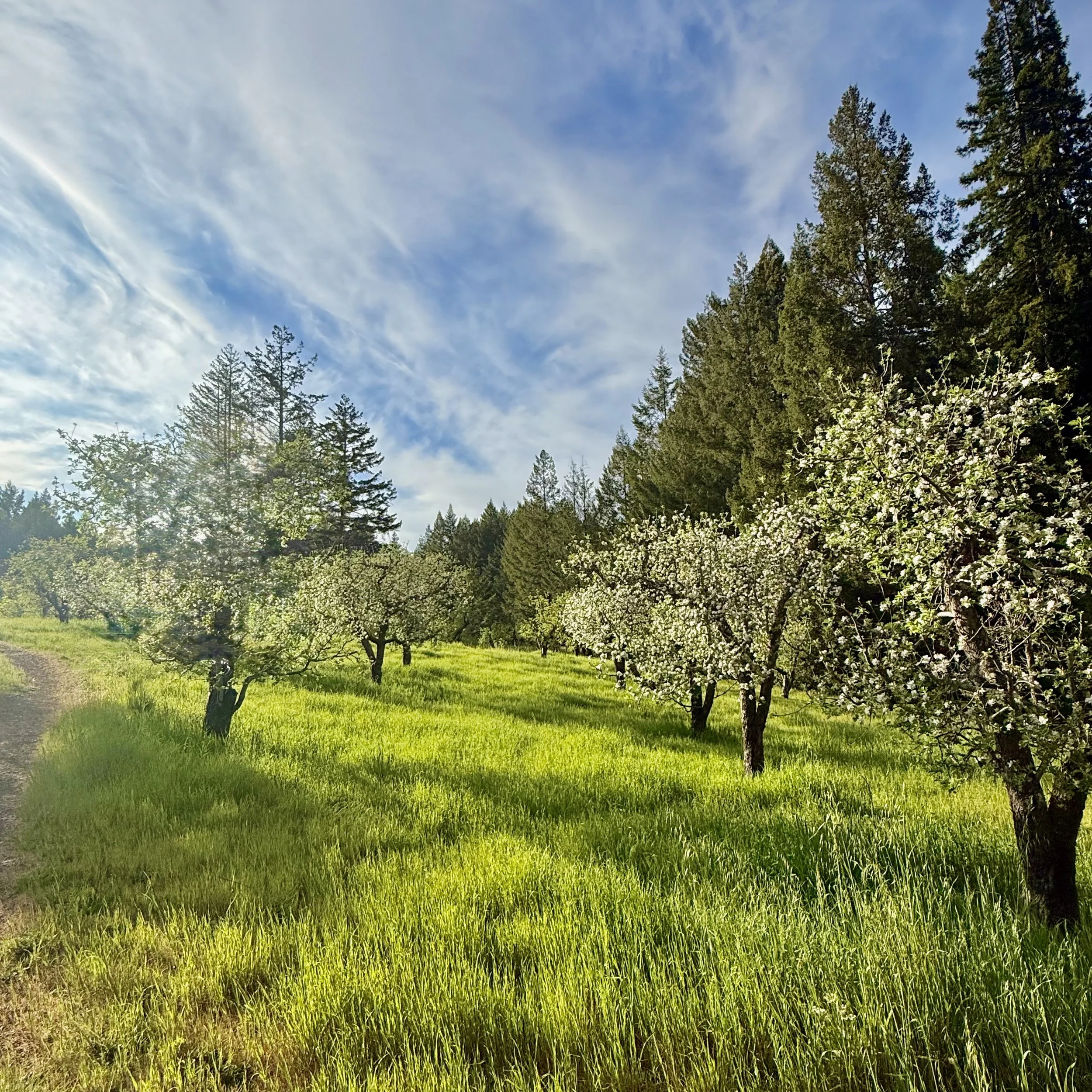
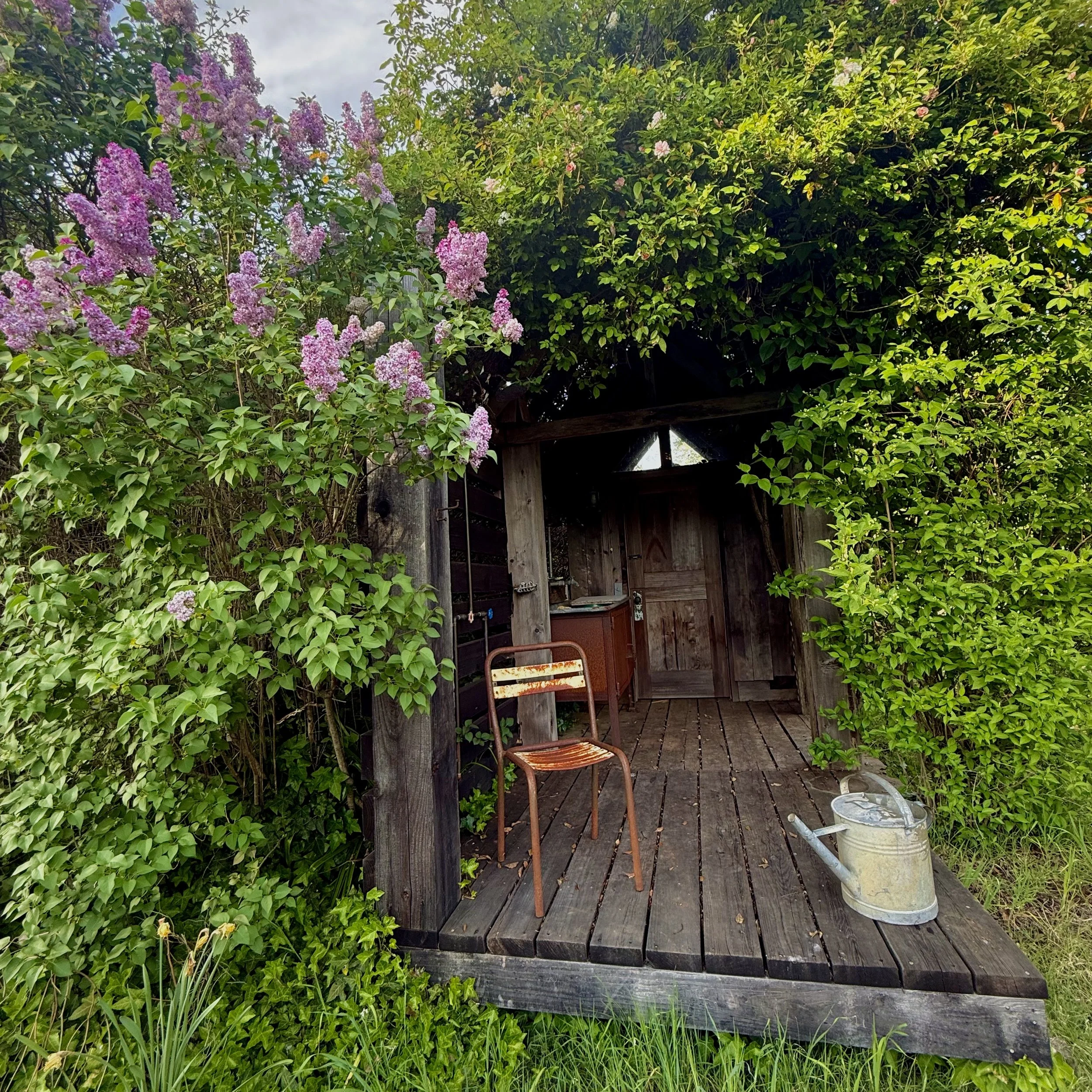
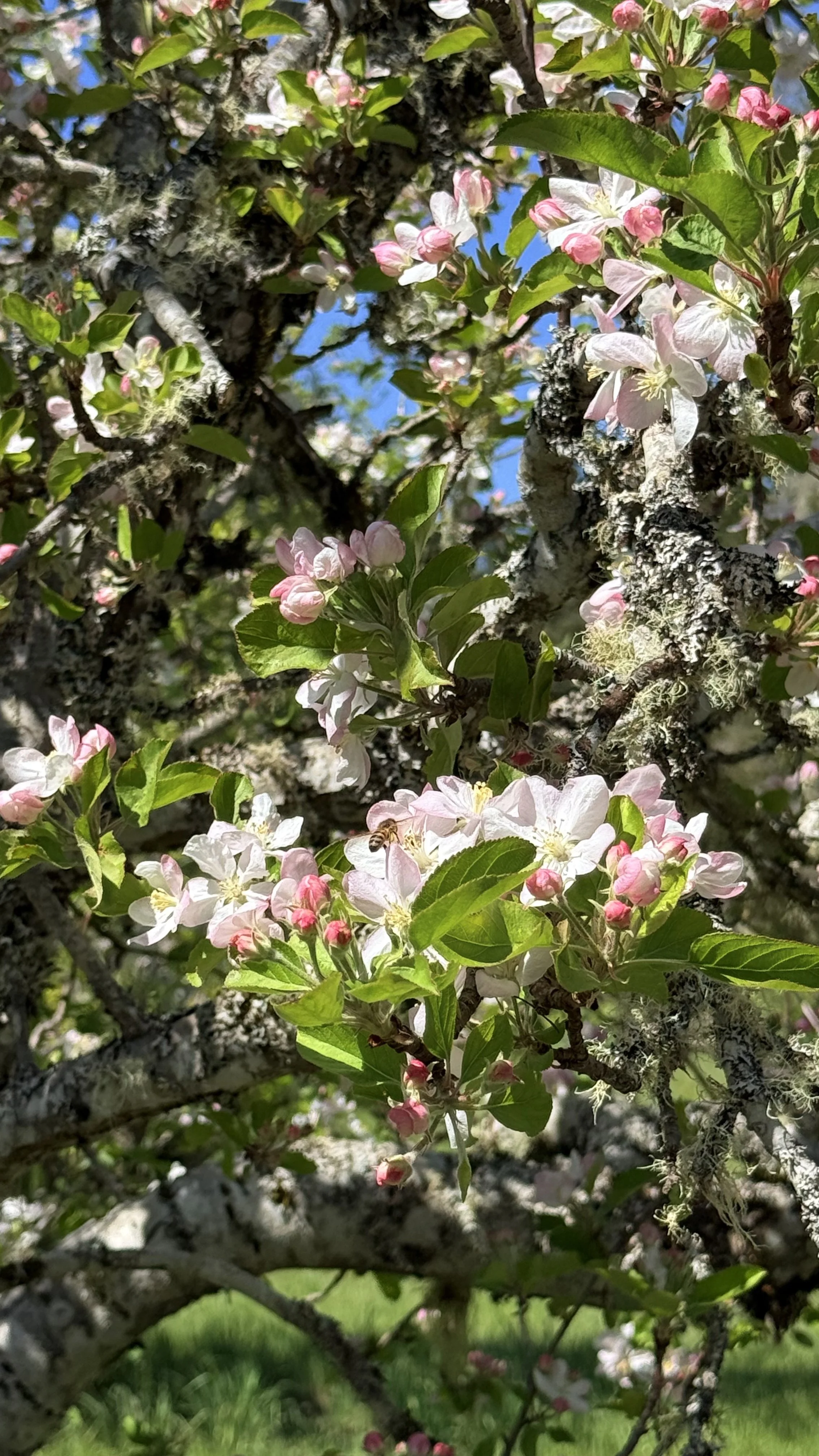
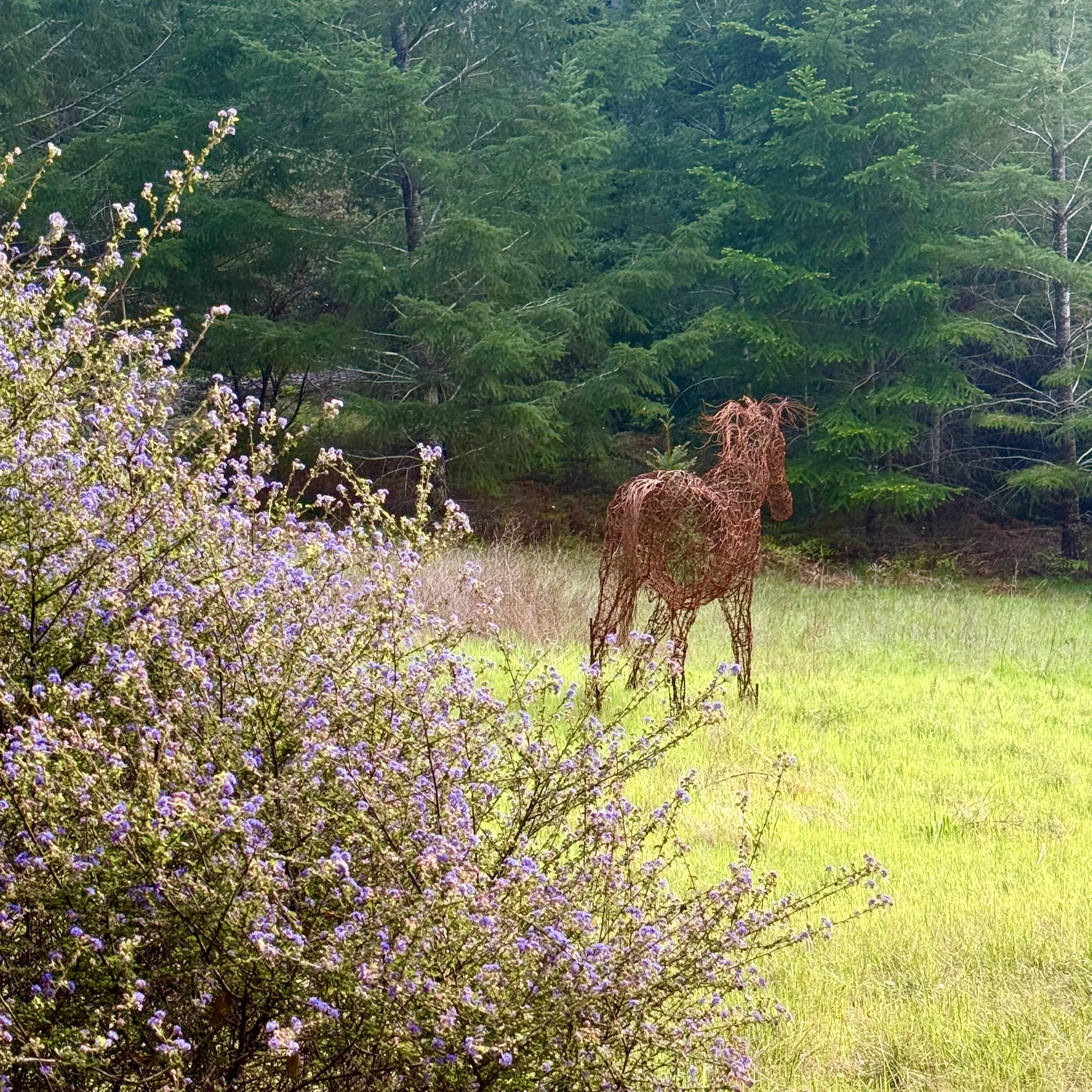
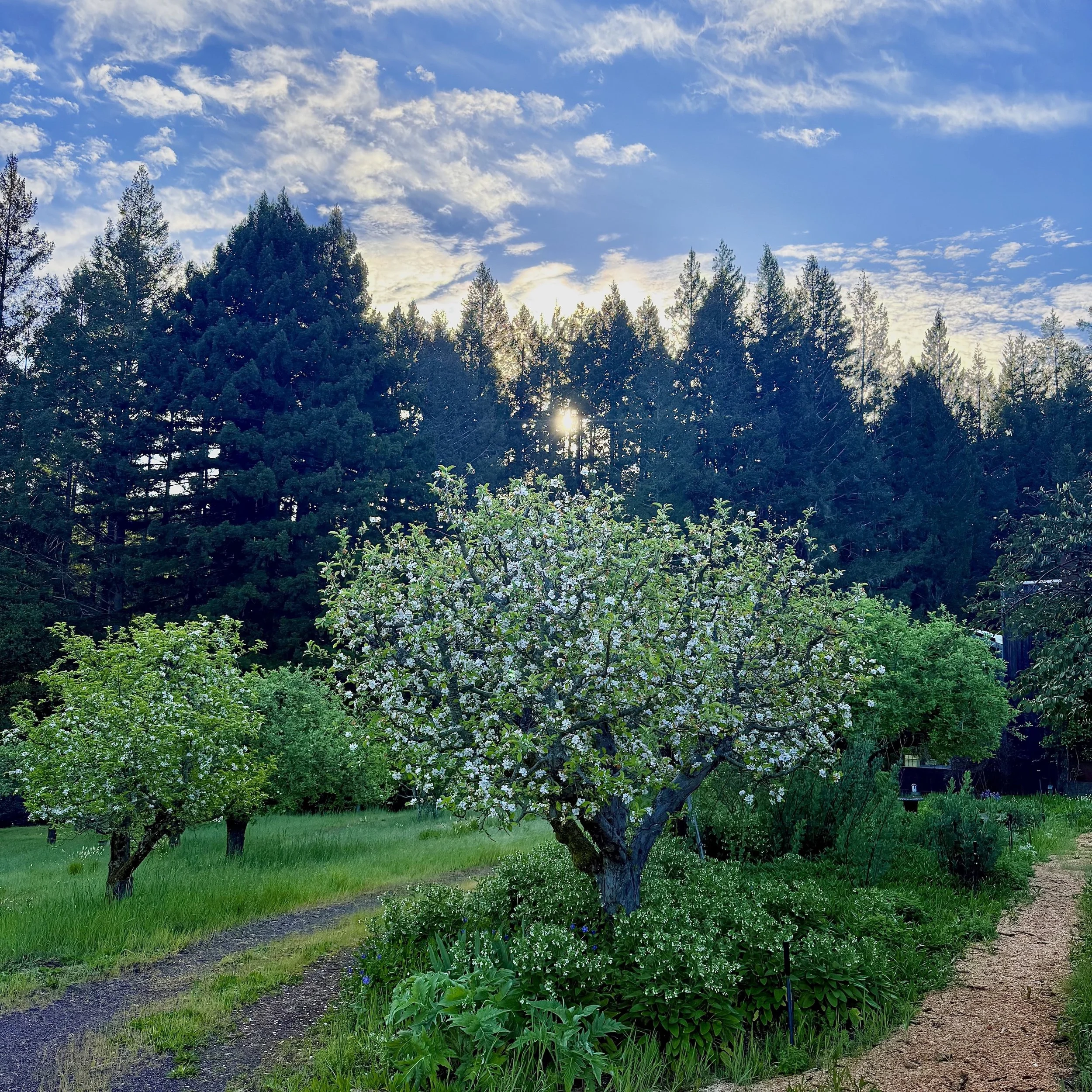
Images above, and Below, CC Jil Hales, were all shot in the last week up here on the ridge: flowering Cherry and Apple trees, Daffodils, Wild scapes, Hellebores, Lilic, Roses, Ceanothus, Ixia, Hyacinth, Iris, Bowl toothed Iris, Peonies, Quince, FavaBean, yarrow, redwood sorrel, poppies, euphorbia, snowballs, tulips, crocus, blue-eyed grass, scabosia - and that’s just a shortlist I can identify. Would that Dan was here right now.

Good news: he’s coming!
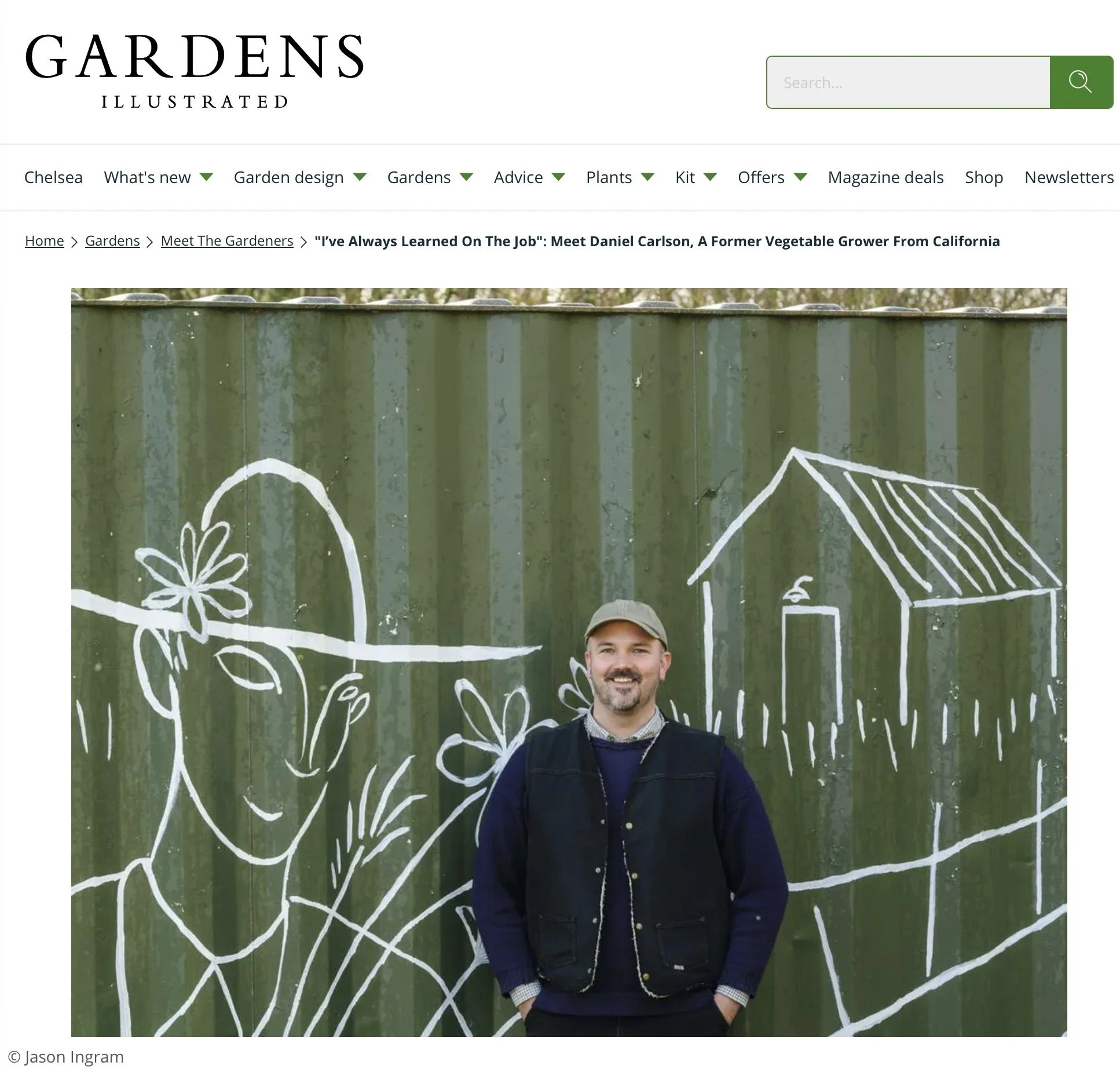
 

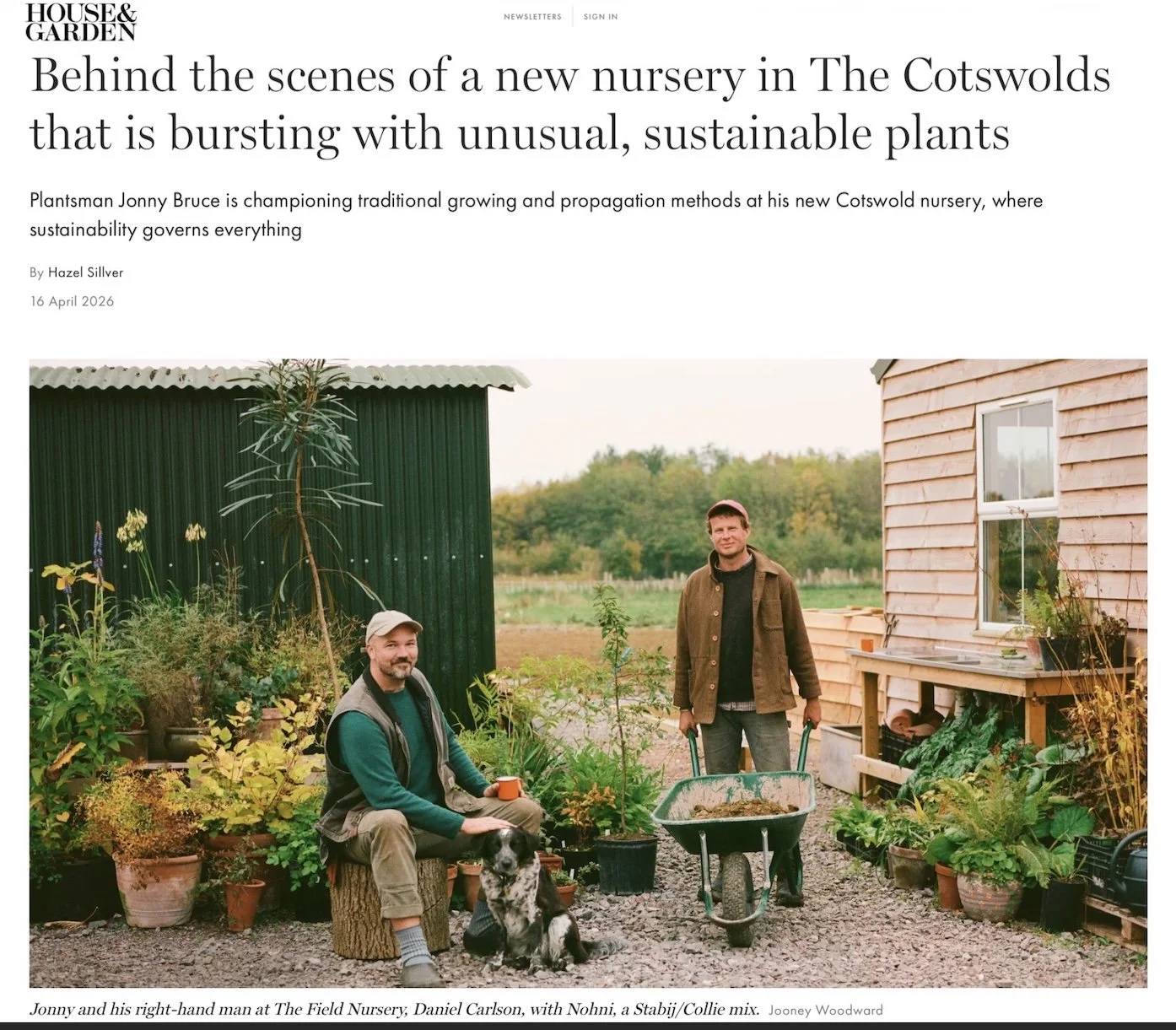
For those of you who don’t know Daniel Carlson, He’s Lukka’s Partner in life and travel, also Barndiva Farm whisperer, helping design our garden programs for over a decade. We are incredibly proud of the name he is making for himself in the UK - thrilled he will now be able to divide his time with us in Northern California going forward. Daniel has had two wonderful mentions this spring in illustrious gardening magazines: Gardens Illustrated and House & Garden, UK. Instrumental assisting Jonny Bruce on the concept, design and labor helping launch Jonny’s The Field Nursery in the Cotswolds, Dan’s quote in the March issue of GI says it all: “We need to act in partnership with plants and ecology, and not assert dominance over our plots.”

In the UK House and Garden we hope you can read about Jonny’s remarkable career at Great Dixter where the Dan/Jonny connection ignited. Jonny is also the guardian of Derek Jarman’s infinitely interesting Prospect Cottage in Kent. It was his experience at the pioneering nursery De Hessenhof which has shaped The Field Nursery. He is not alone in hoping it will be emblematic of where ‘commercial’ garden centers may be heading. More and more gardeners are leaning in to designing with plants that are climate and water sensitive, habitat friendly. The Field Nursery will propagate the plants it grows and sells- think slow-grown potted plants and bare root perennials - a return to traditional nursery practices before the big trucks of plastic start arrived from miles and often countries away. In addition to reducing the need for plastic, Jonny’s approach has the advantage of growing plants with stronger root systems, reducing the need for excessive fertilizers. Adaptive landscapes that encourage insect life, that grow fro the understanding that as precious as your sweet plot may be to you, what lies just over the fence or in the next field or meadow is part of the worlds - landscape as well.
Throughout history Nature has provided us with food, and solace. She has provided energy, and shelter. Being Human, even before we ‘learned’ to be civilized, depended upon cooperation, a working together that was not built on profit margins so much as shared goals, focused one thing: survival. But What does it mean to survive right now? What can it mean - and for anyone with children this is the essential question- to thrive? Conversations Worth Having returns in August. Stay tuned!
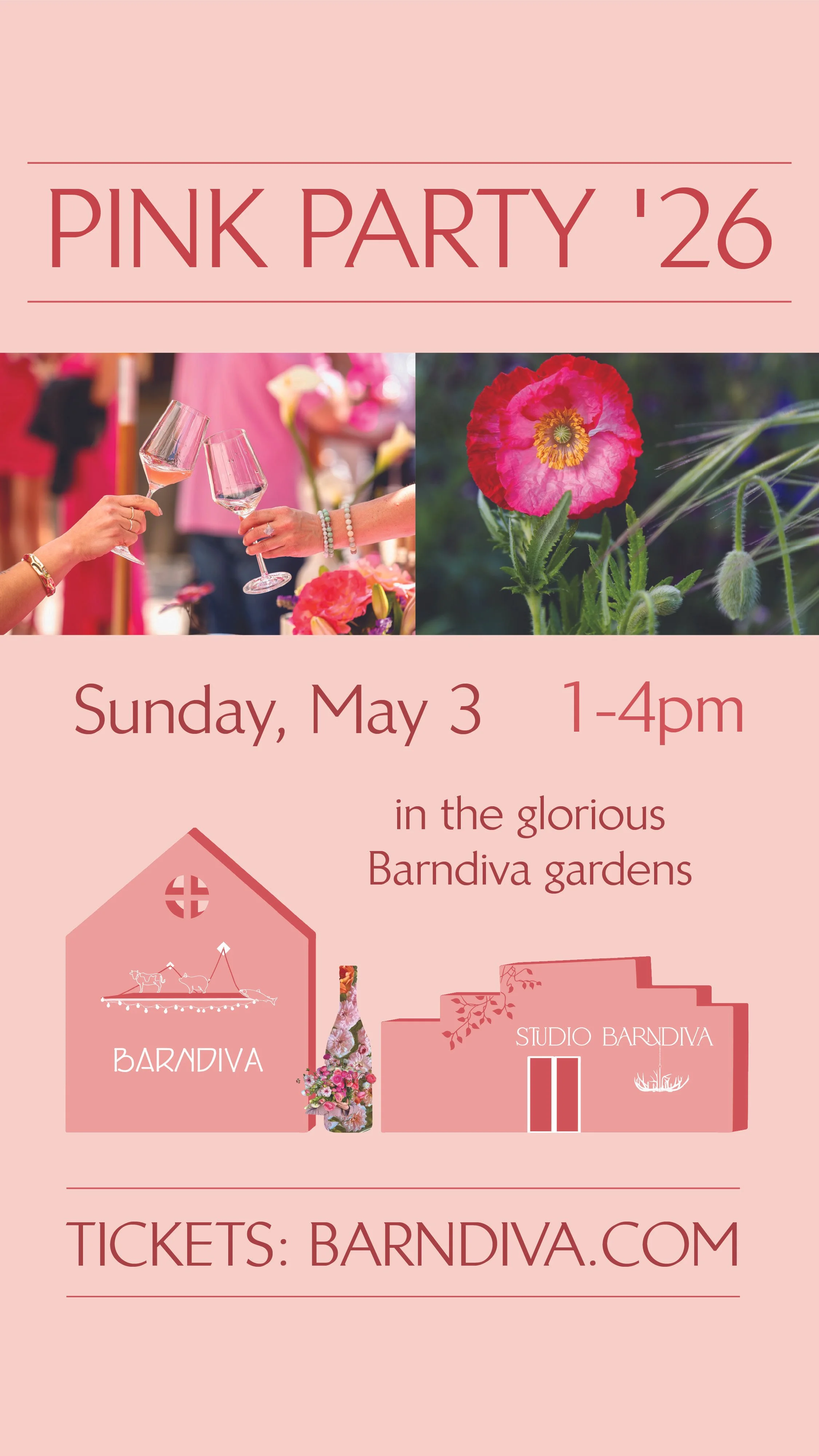
 

It’s not too late!

Come join us for the annual Pink Party and meet the most exciting rosé wine producers in Sonoma & Mendocino counties! 

Use code POSSE at checkout for

discount on 6+ tickets.

Dress code: Think Pink!

Comment

racing the bears

Comment

racing the bears

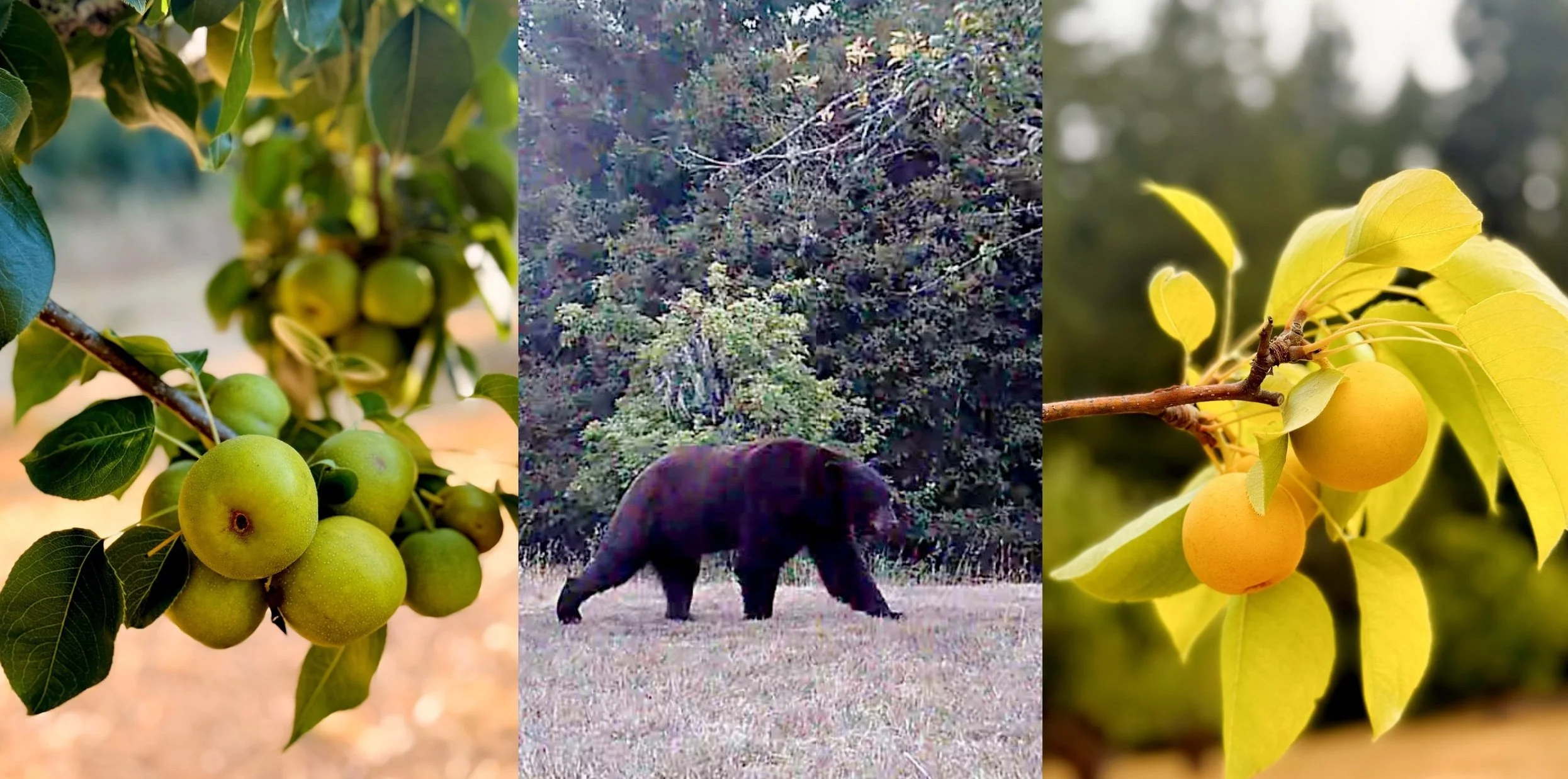
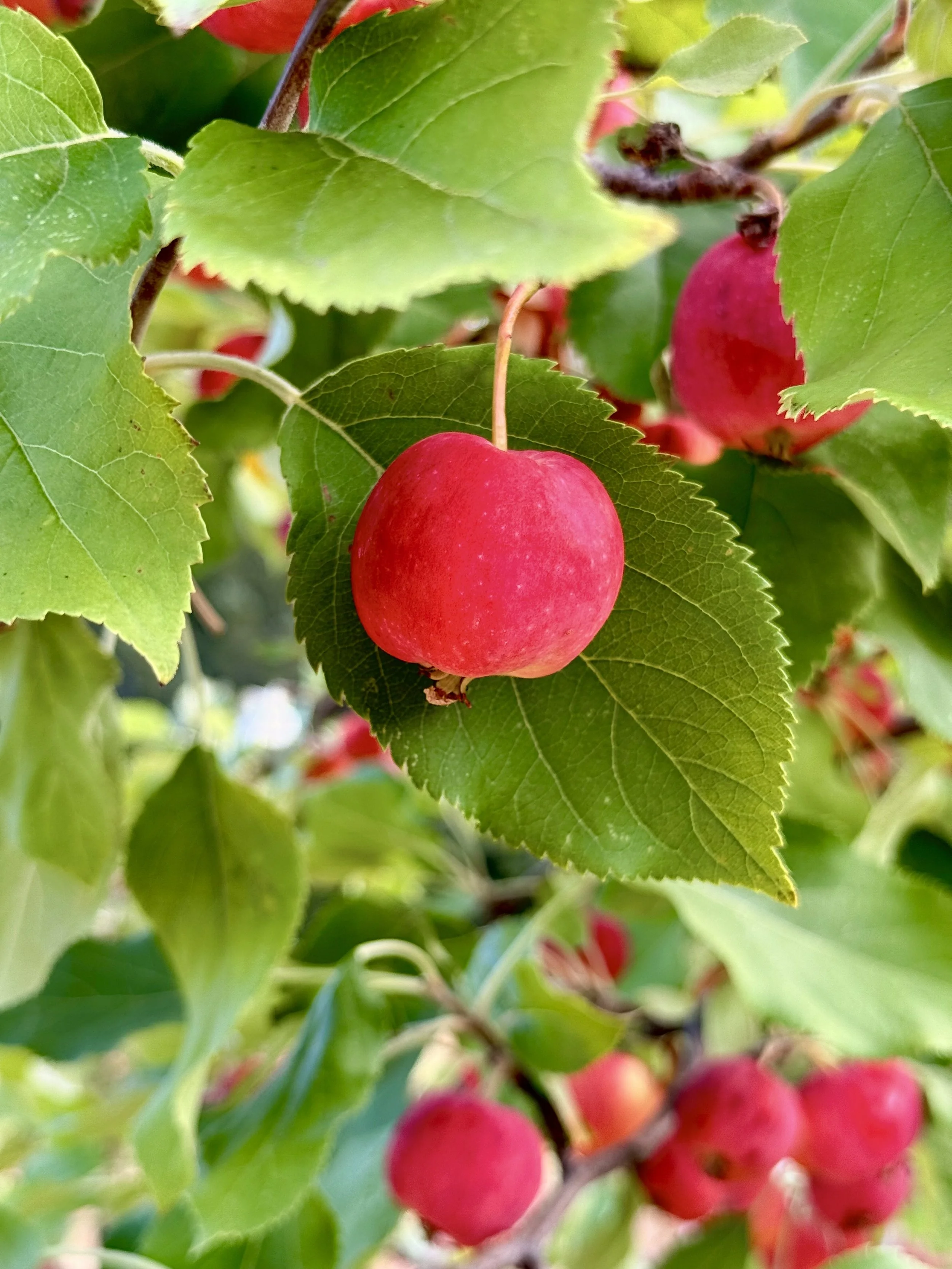
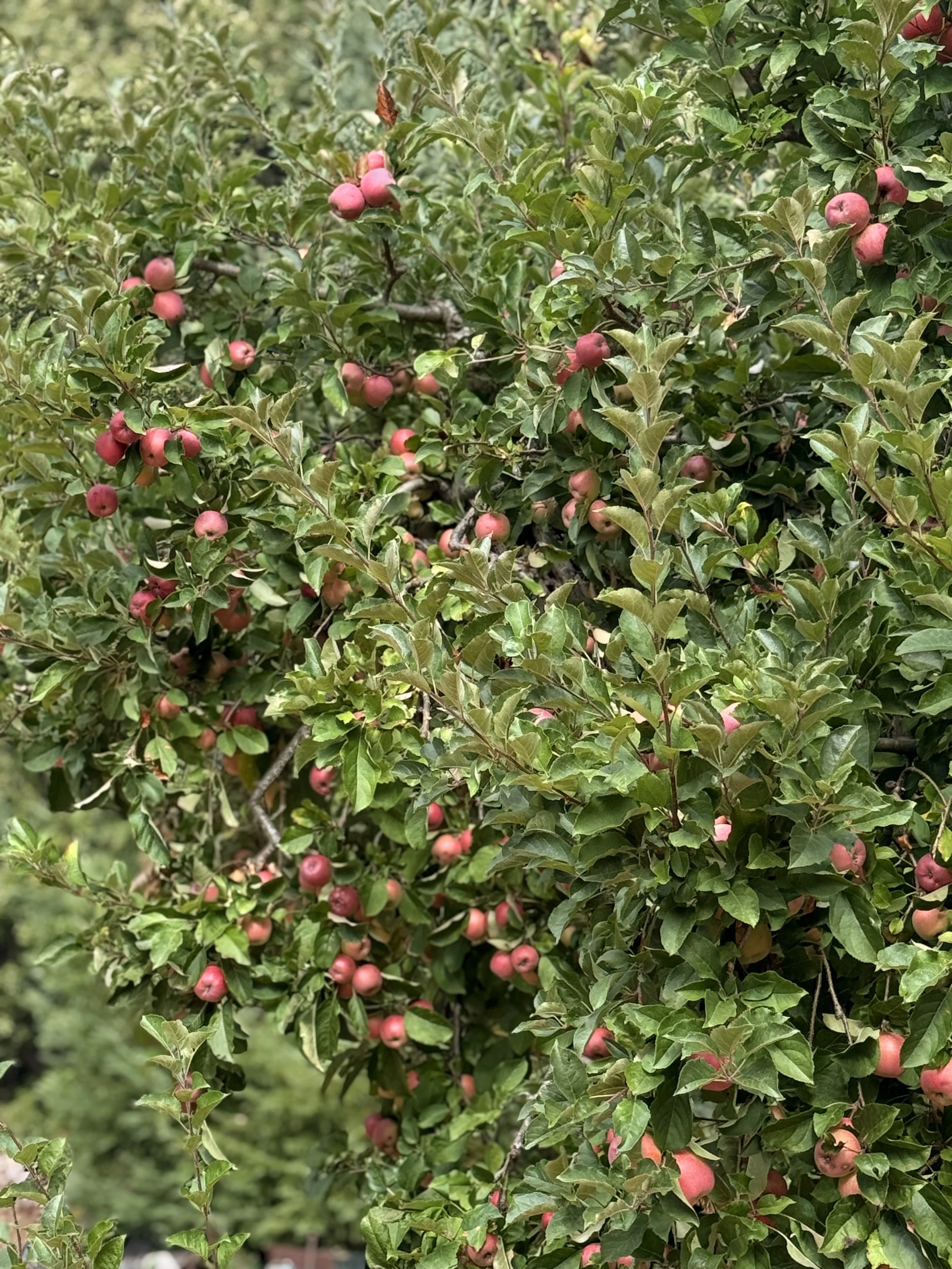
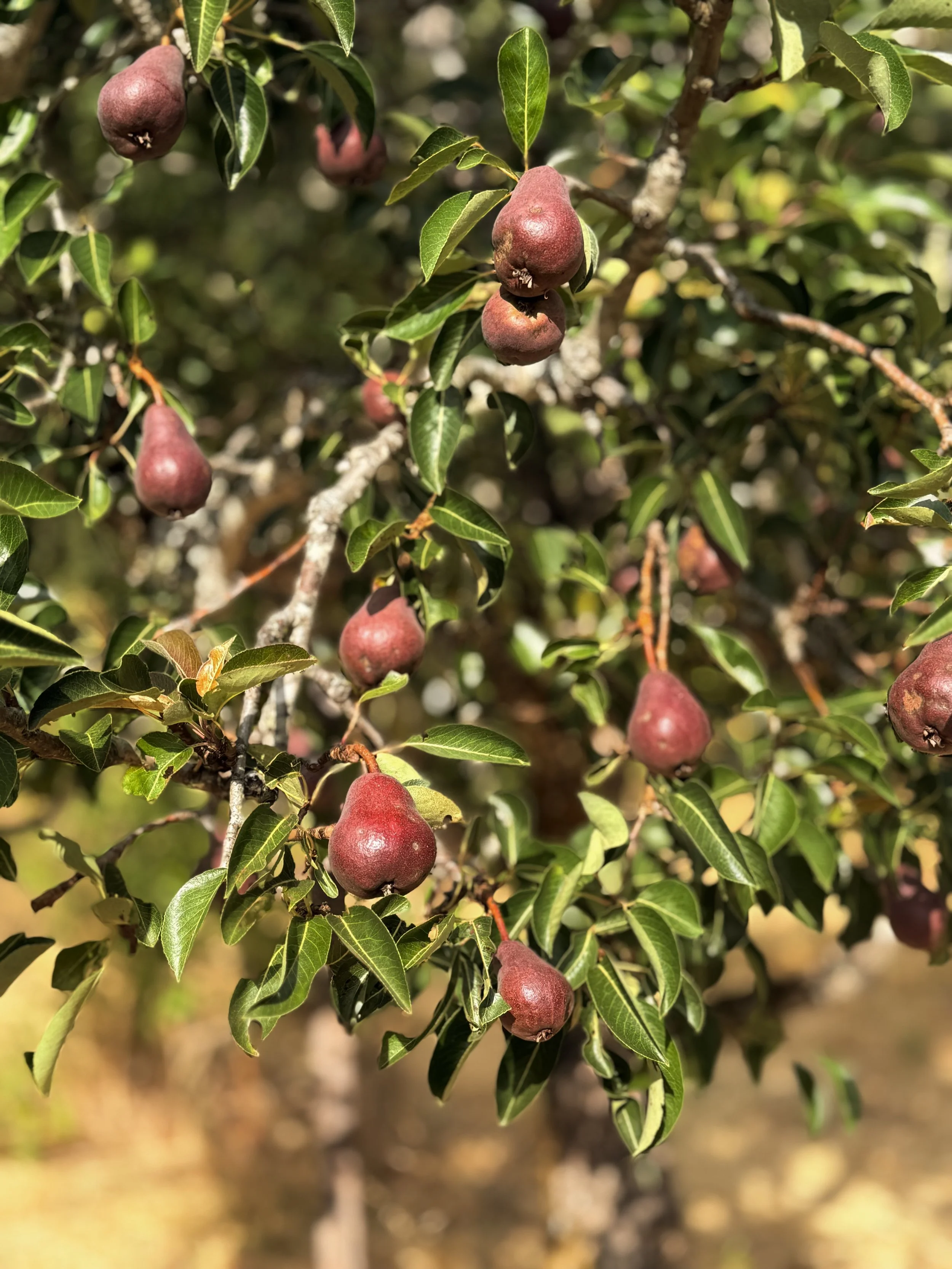
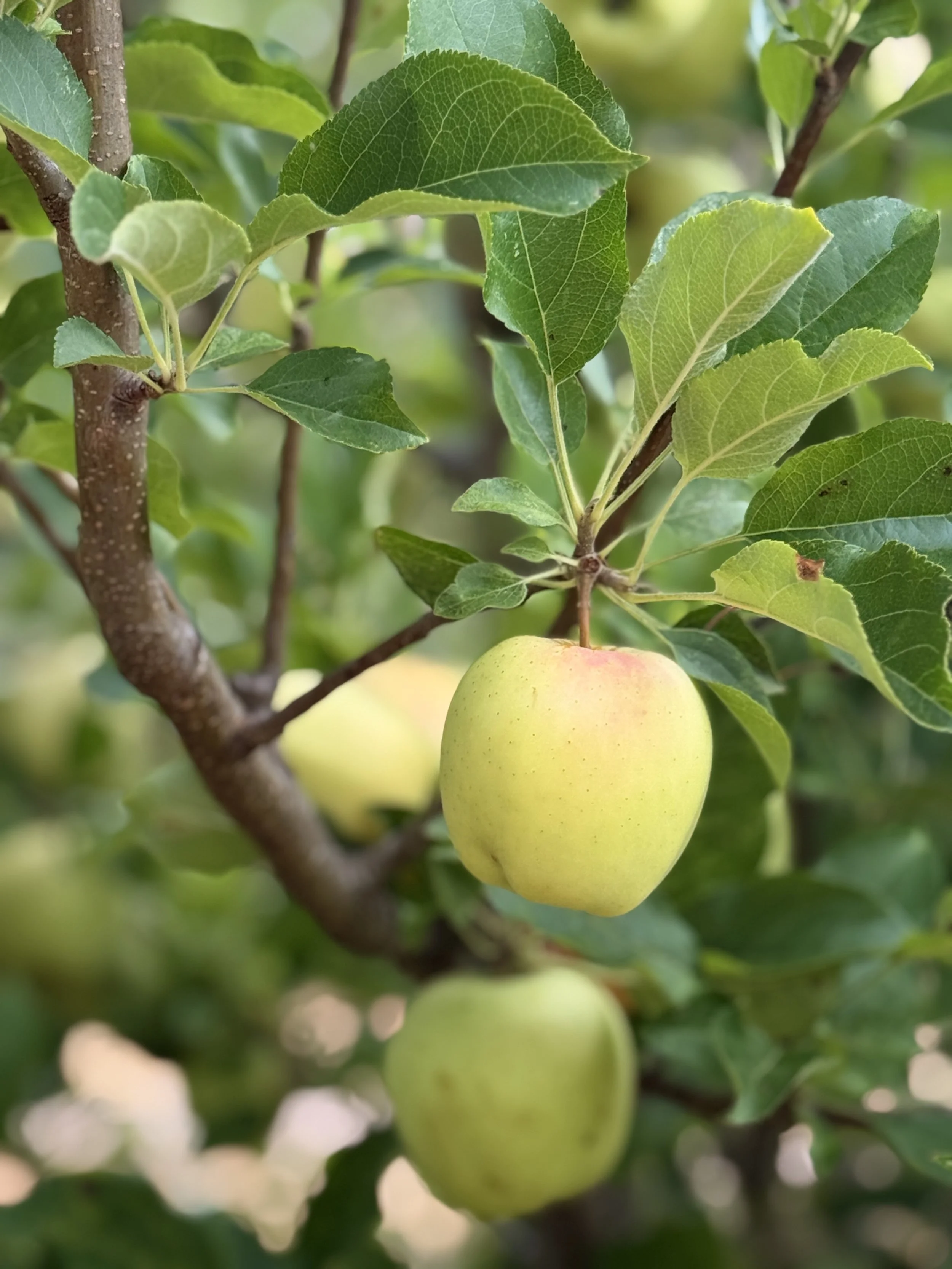
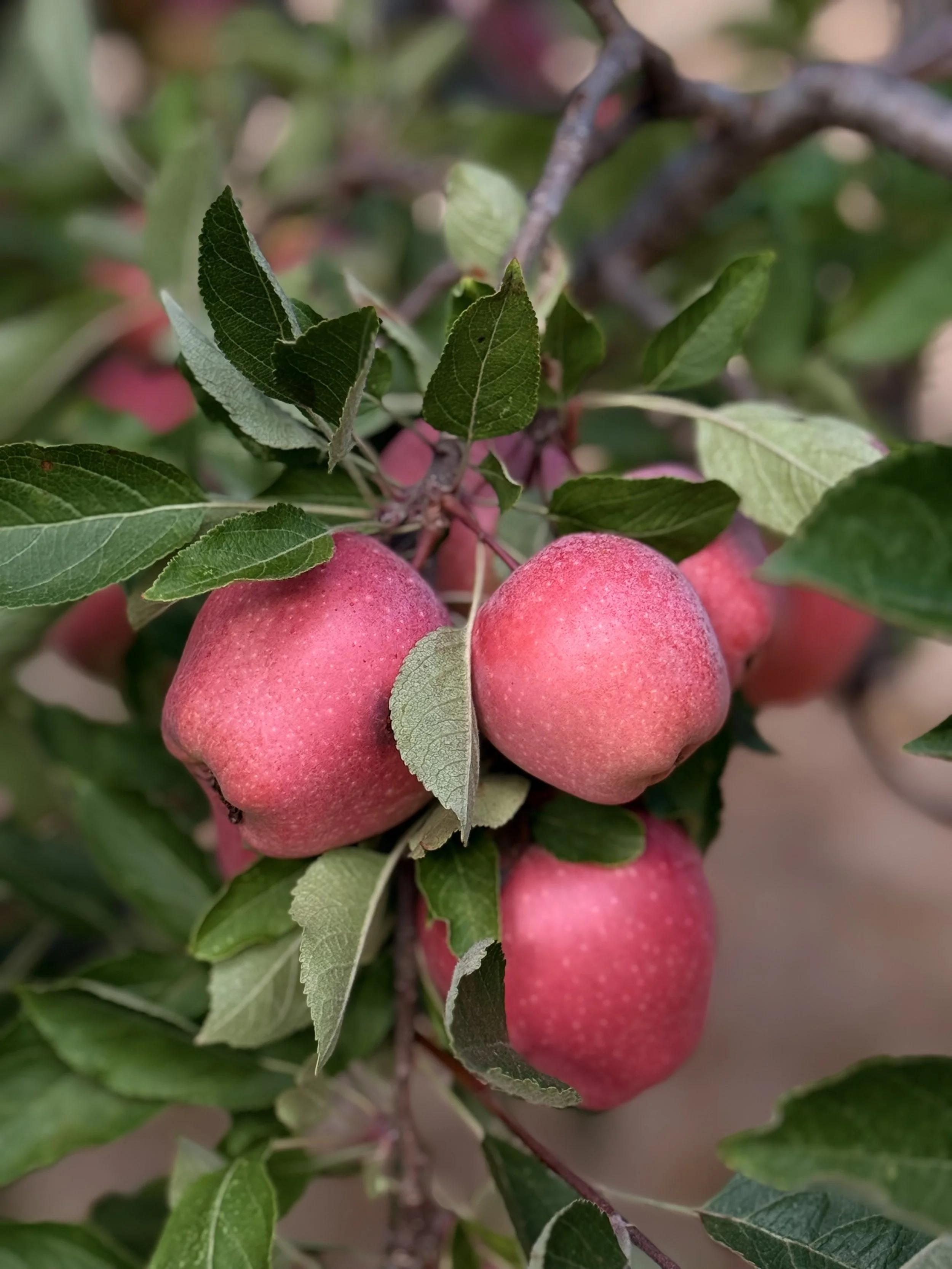
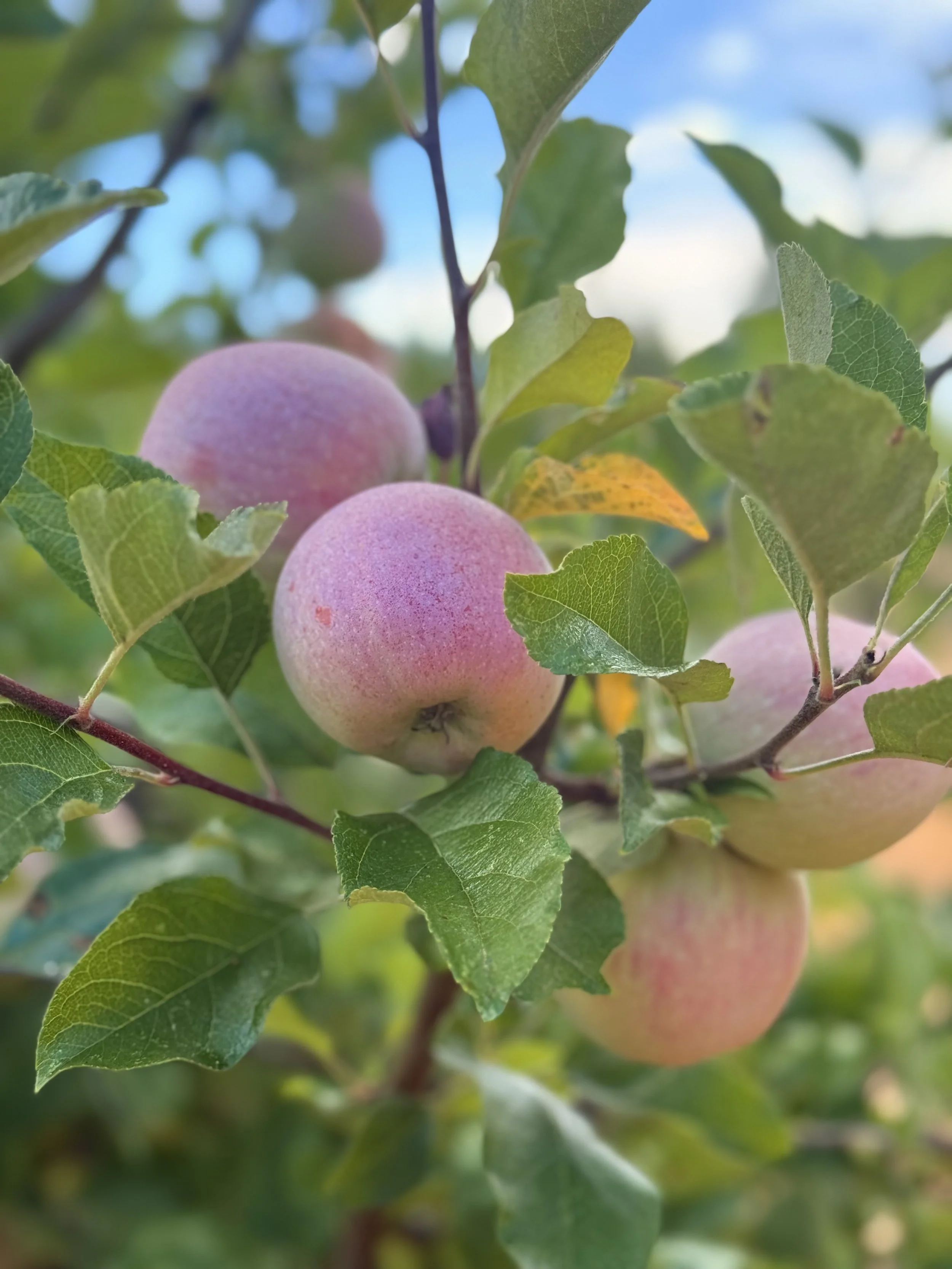
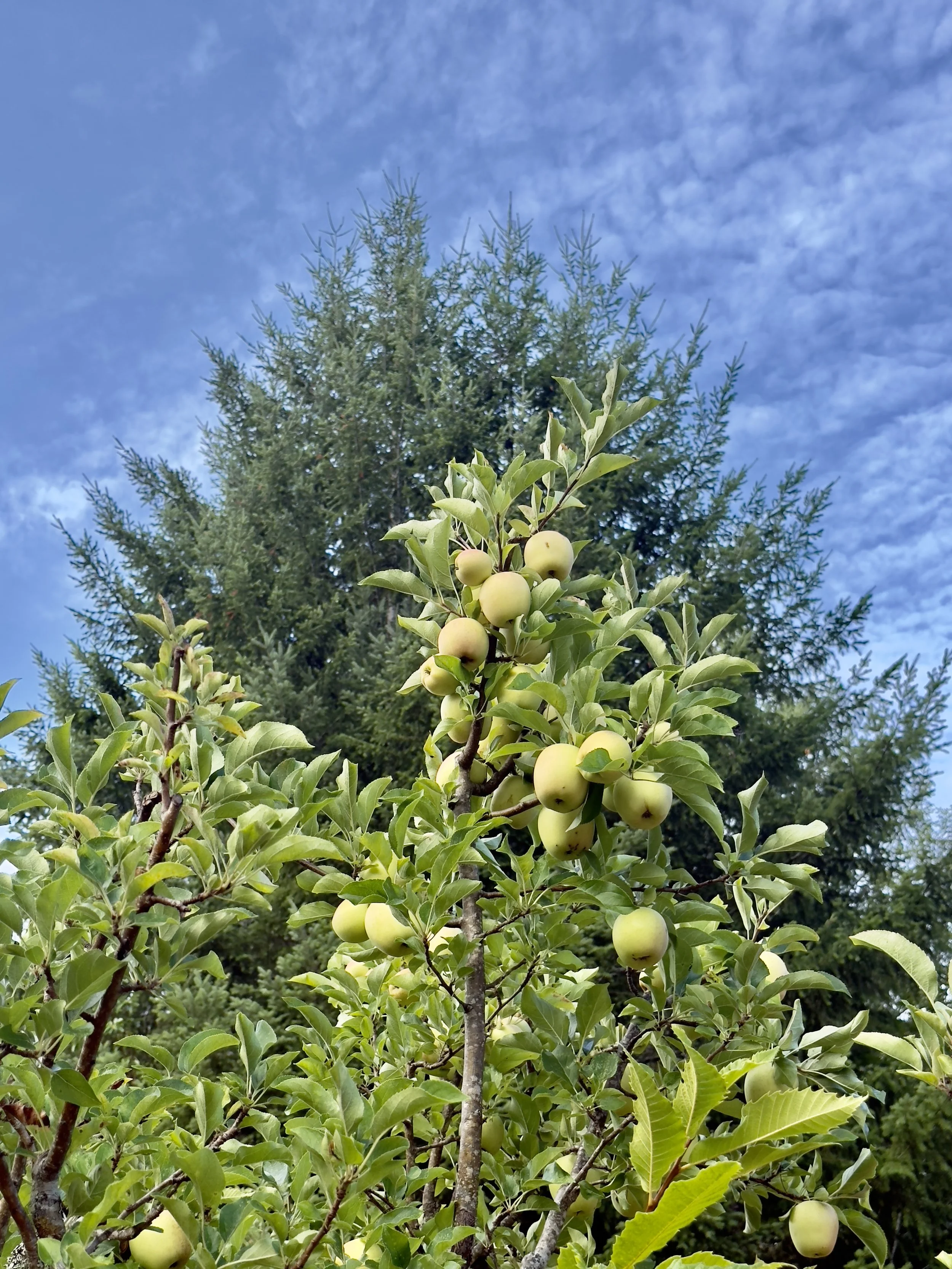
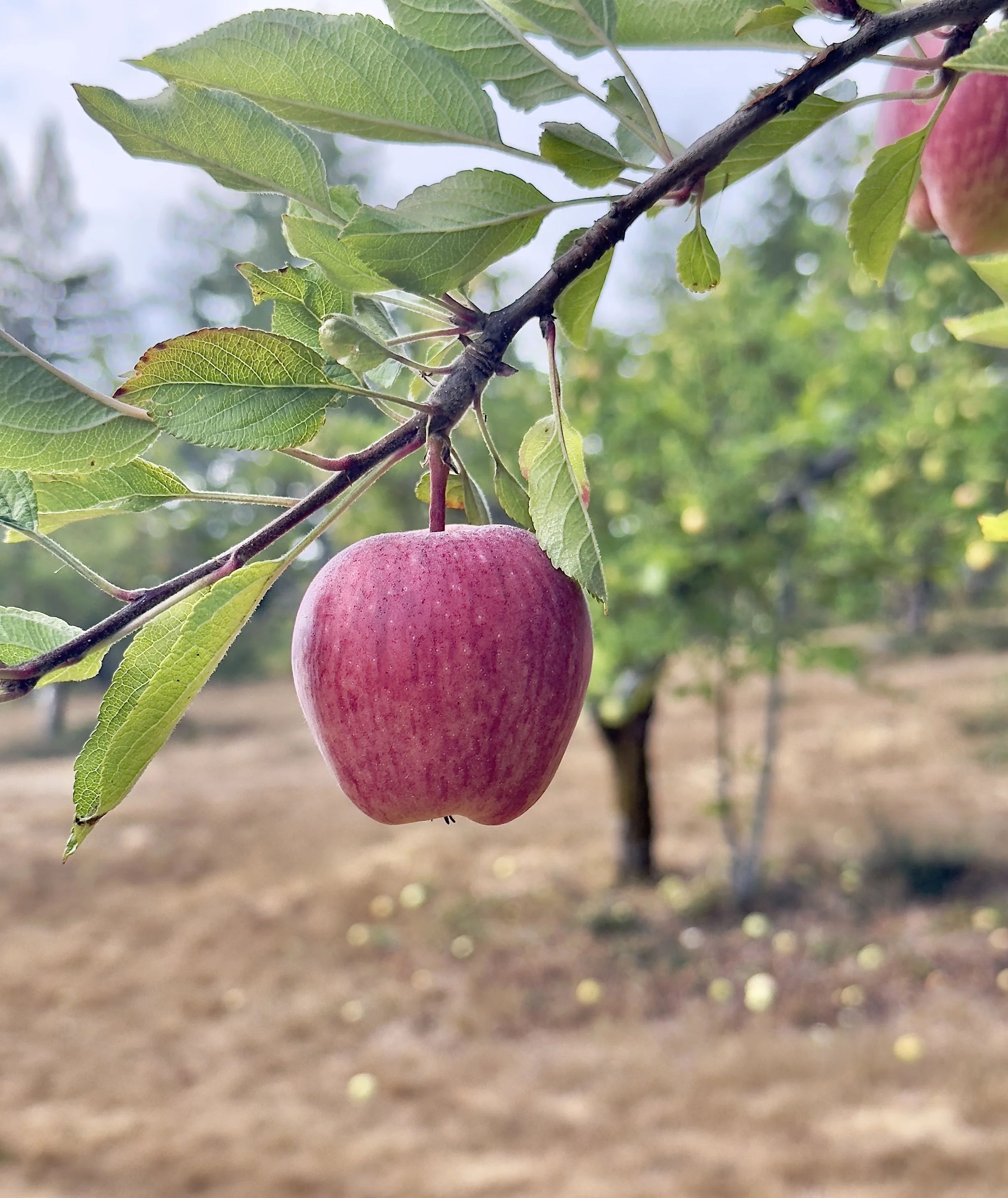
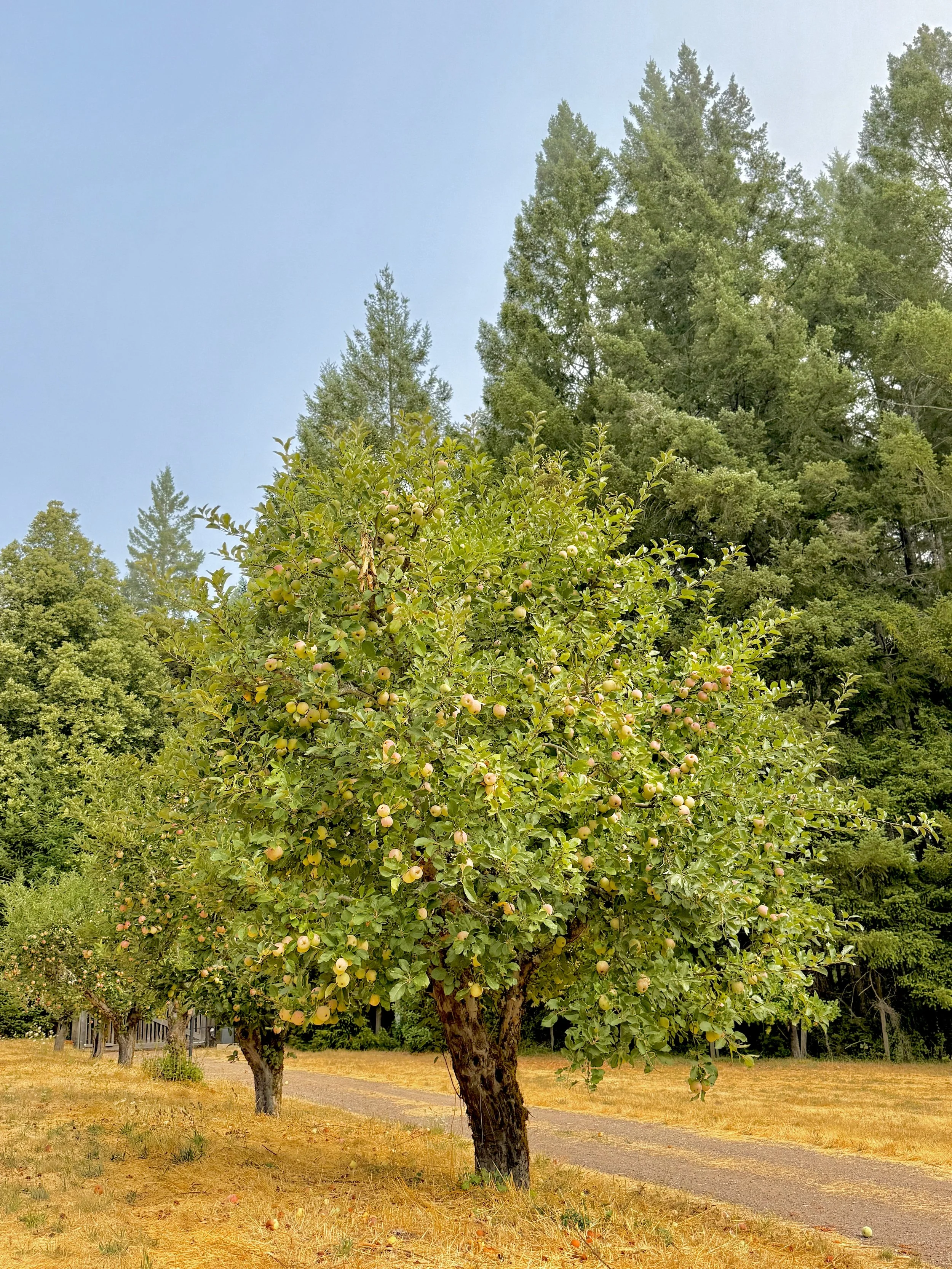
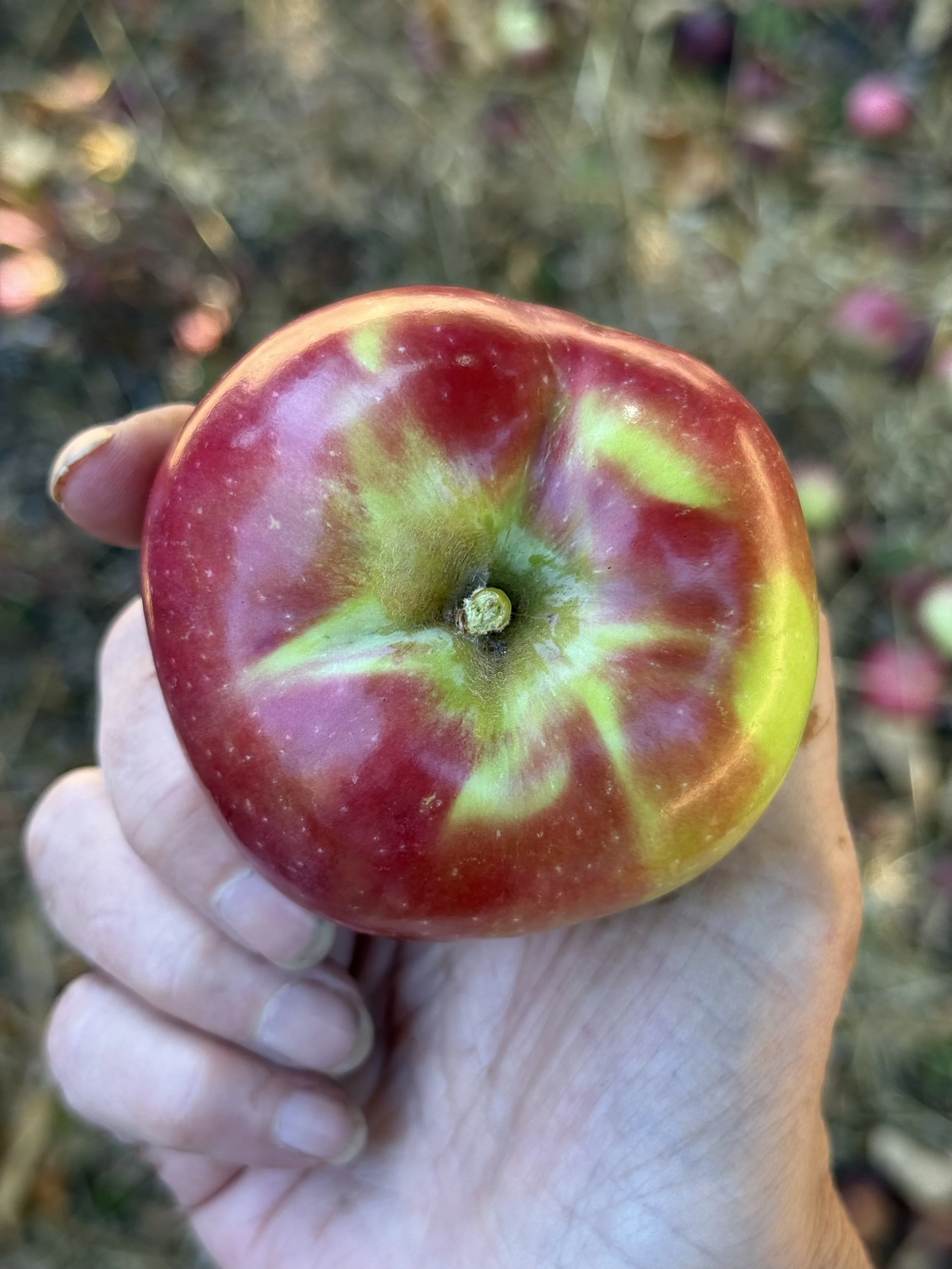
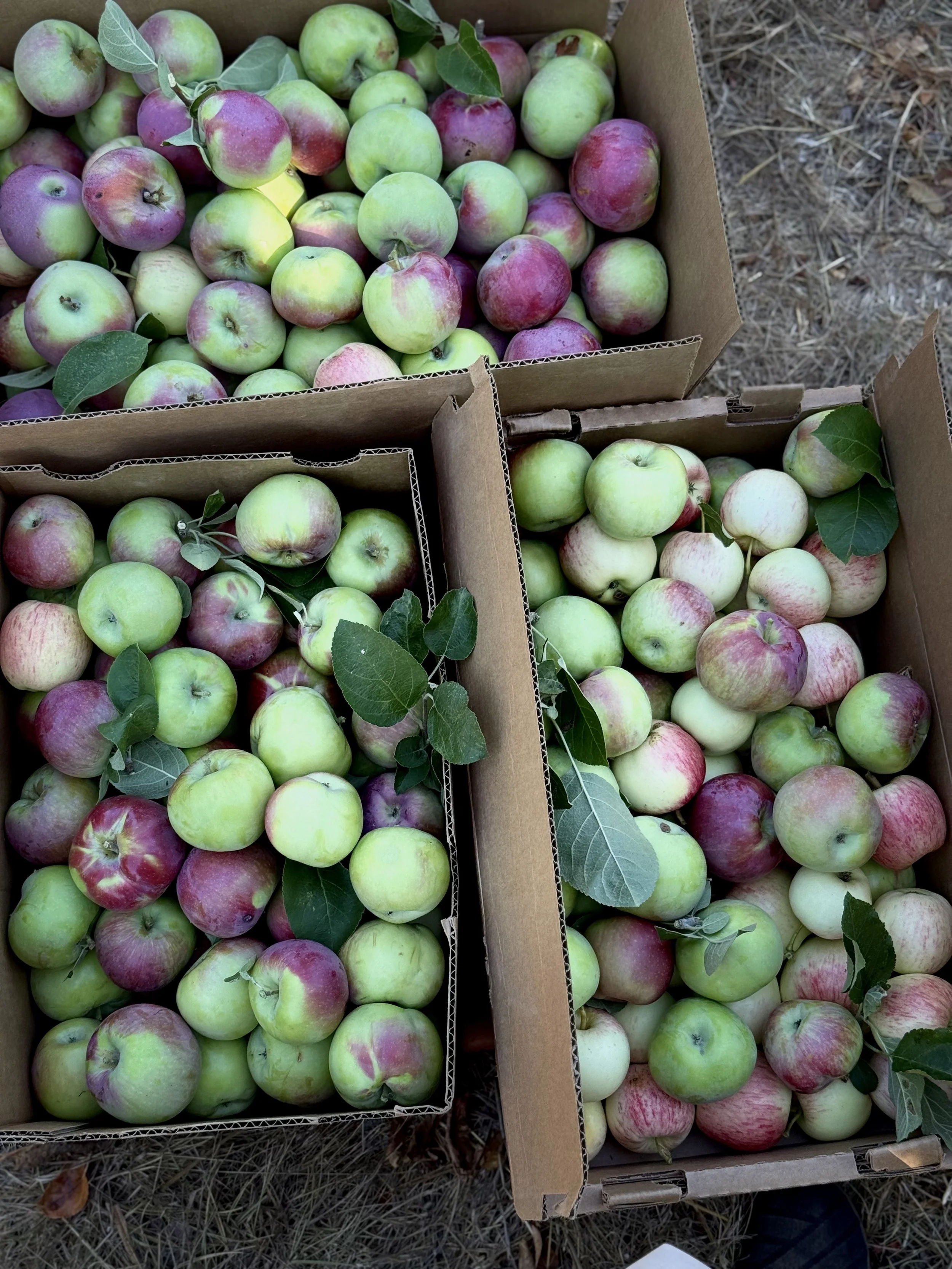
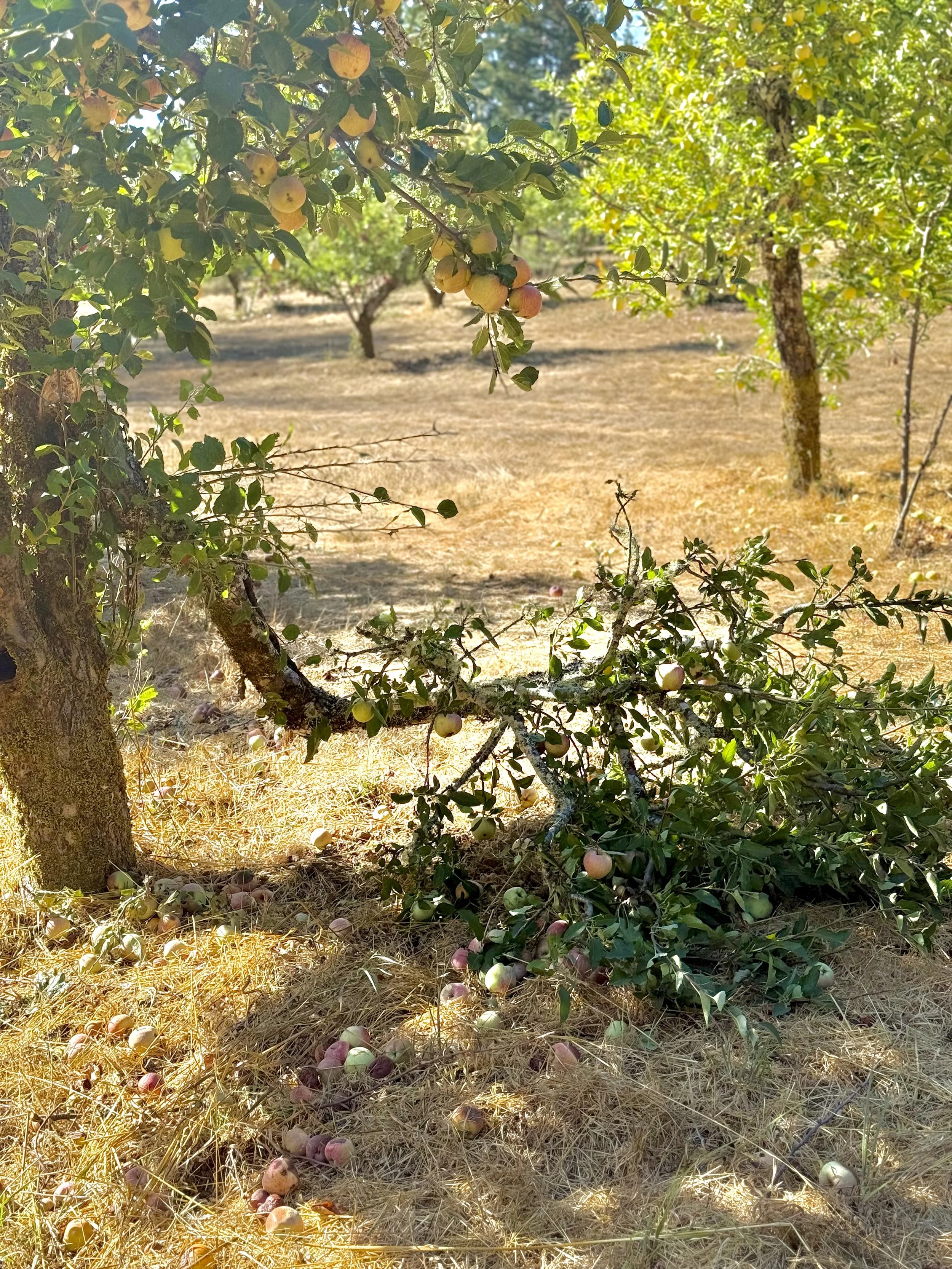
It’s that time of year when it’s a race to get all our ripening fruit off the trees before our ursine ‘neighbors’ pull down the perimeter fencing like lowering a window shade and have at it. We have no complaint. Sharing fruit with the bears, the birds, all the smaller furry four legged animals that still thankfully roam the forests surrounding the farm is an act of kinship. Your care for the land can also be the land caring for you. It would be nice if they only ate what was on the plate (ground) instead of pulling whole branches down from our very very old trees, but you know, bears? Not gonna happen.

Family lore has it that once enough apples fall and begin to ‘marinate’ in their own luxurious juices, the bears become intoxicated from the heady fumes and begin to cast about like drunken sailors. Do all nighters in the orchards, dancing to a mysterious playlist. One of our most infamous cocktails ‘why bears do it,’ speaks to this love affair with the apple. This is a Heads-up time in the orchards as bears don’t mind their manners, sober or tipsy, and what they eat goes right through them - its wise to watch where you walk.

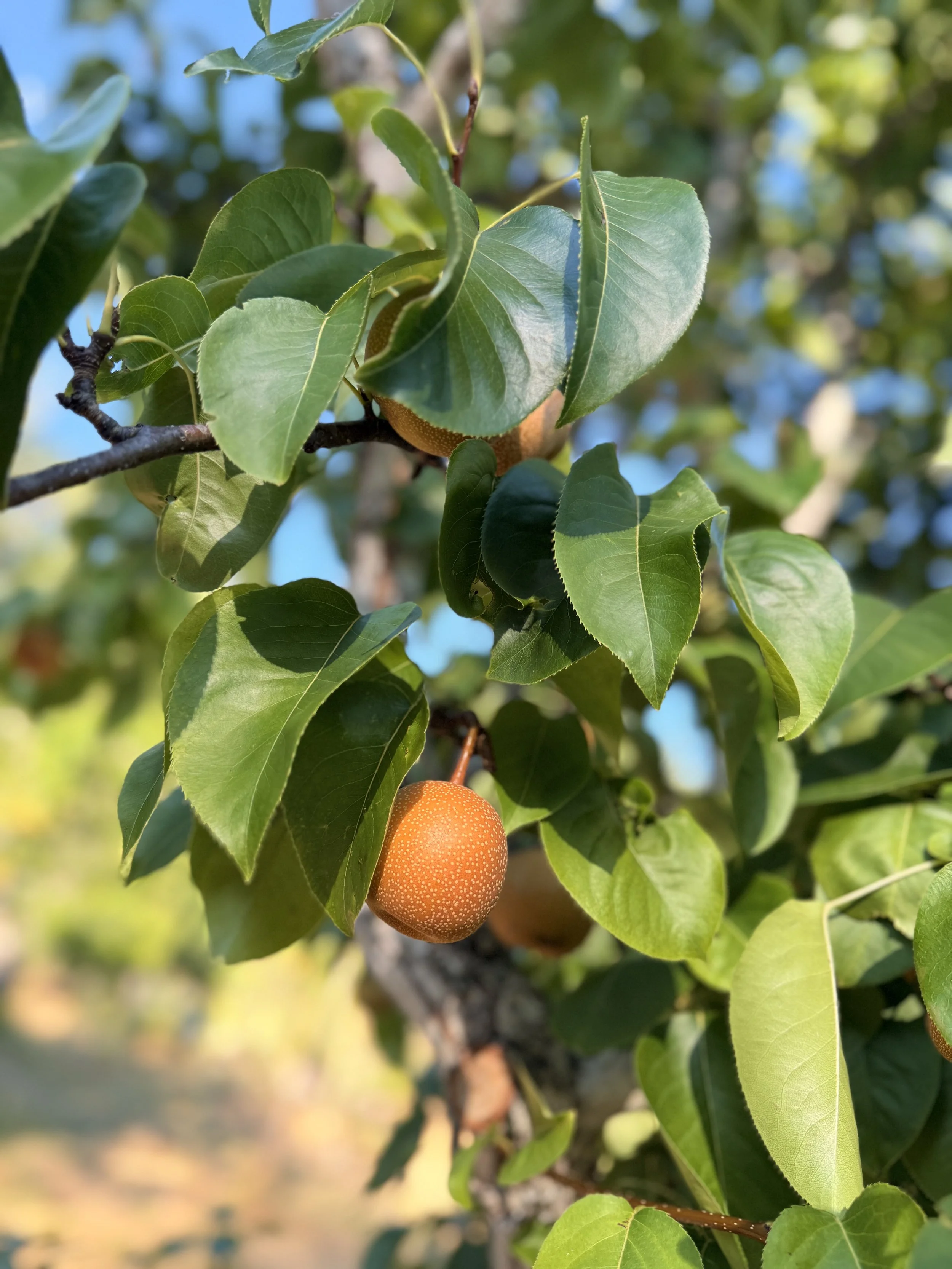
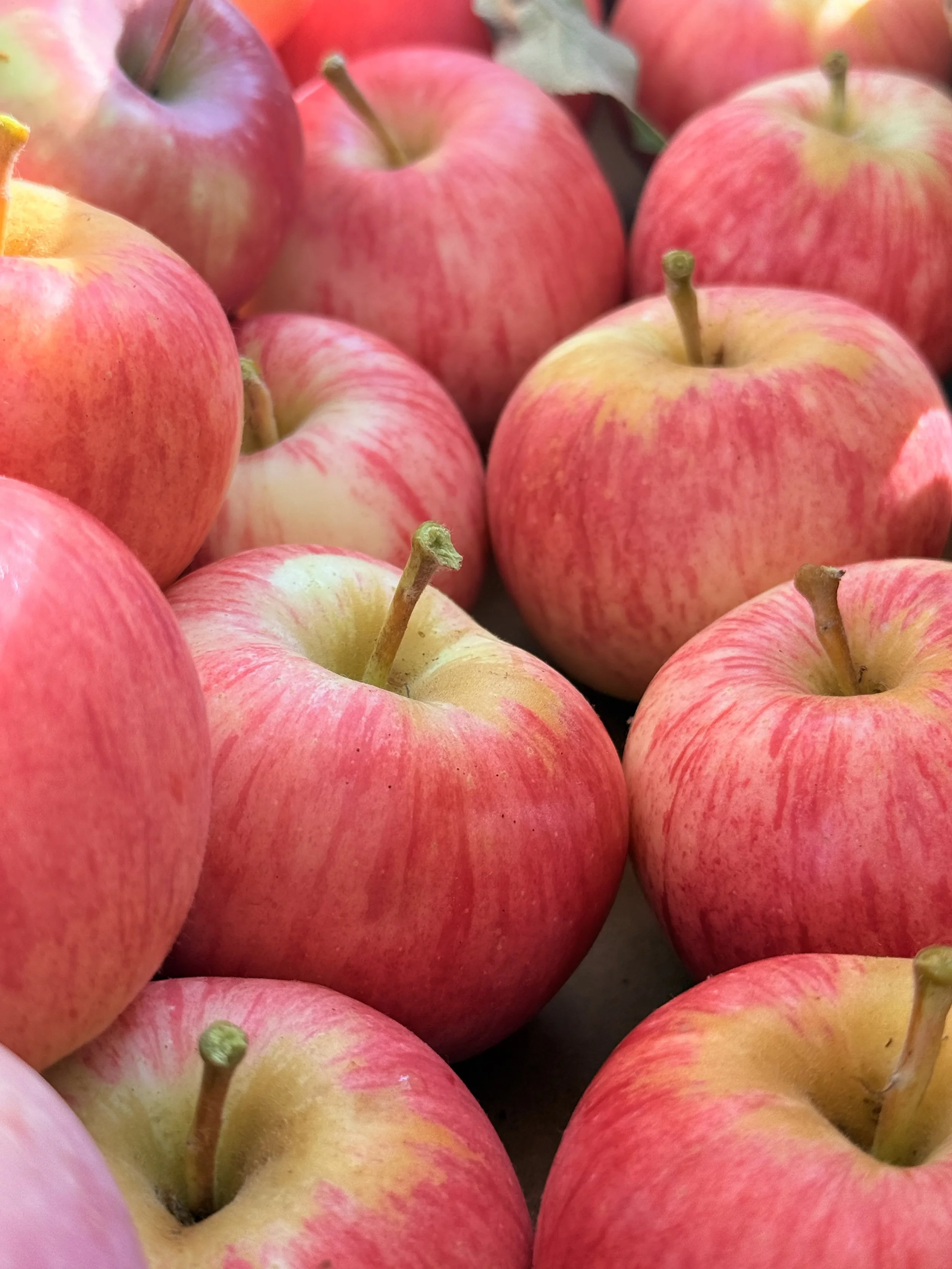
Why Bears Do It and a new cocktail garnished with our Pink Lady and Macintosh will be on the menu this week; Connel Reds in late summer salads; Bartlett pears, in deserts. We plan to keep a basket at the door of different varietals as we pick them so guests can take some home as they leave.

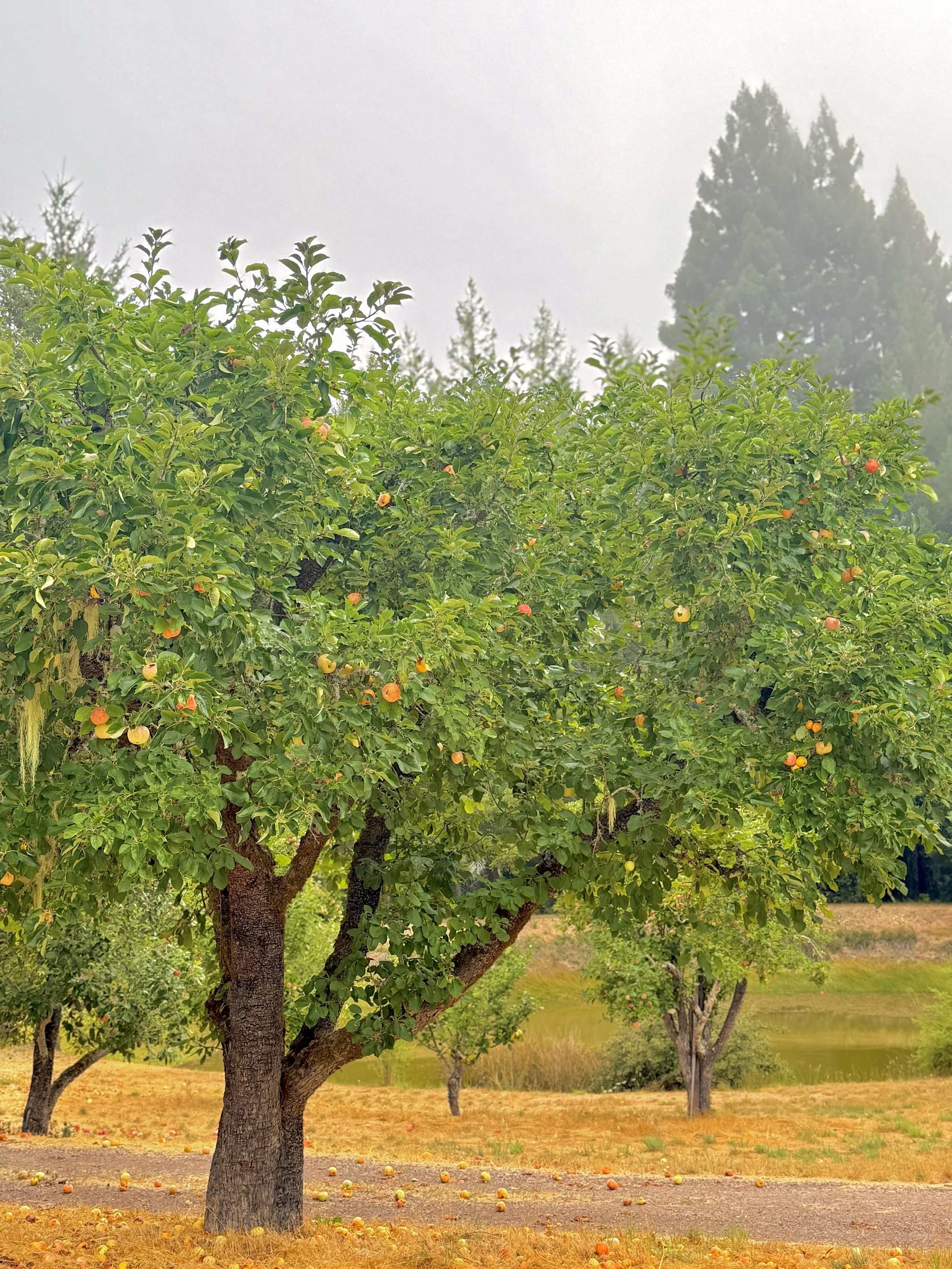
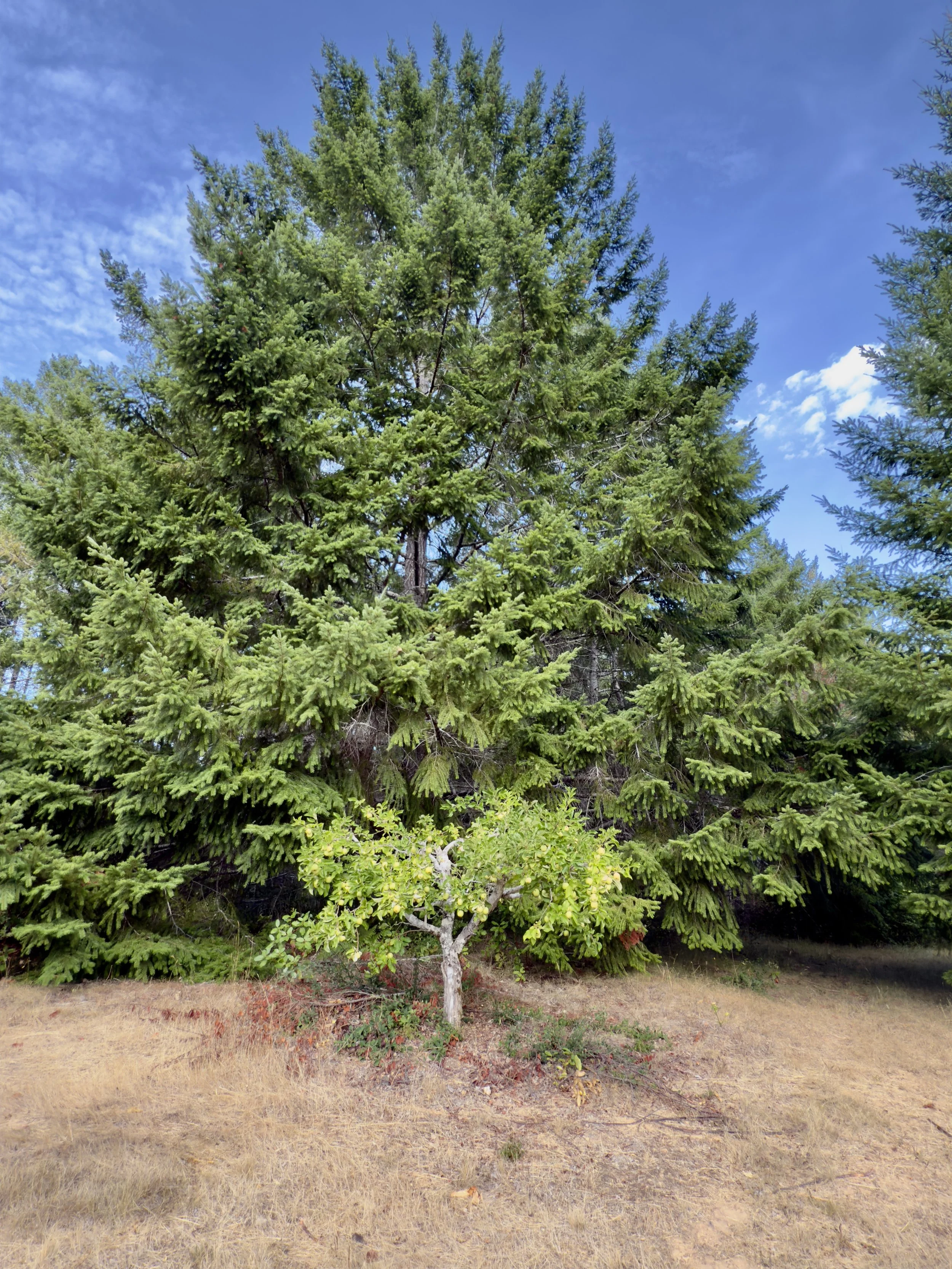
Apple farms are an increasingly rare thing in Northern California - the reasons why, which we’ve written about before - make for a longer and frankly depressing post - suffice to say what we have up here on Greenwood Ridge is a museum of antique flavors that have all but disappeared. But oh, the variety of fruit being grown in old orchards like ours is subtle and astounding. Each tree, depending on its slant on the hillside, has a distinct flavor profile. These varietals all had a place in family recipes once upon a time, and the families who tended these orchards would be jamming and canning all summer, when putting up food for winter was necessary to sustain them. The world of three or four varities you see all year at the super market that has been dulled by months of refrigeration speak to a dumbed down world of apple flavors and textures. It’s a dumbed down world in general. There is no fighting the lost cause of disappearing varieties across the fruit and vegetable world. We knew this decades ago. Yet still we care for the orchards, prune them in spring, thin and prop in summer. If we can get enough hands on deck we will juice at The Philo Apple Farm on ‘community day,’ a break from their non-stop harvest as one of the remaining full production organic apple farms around.

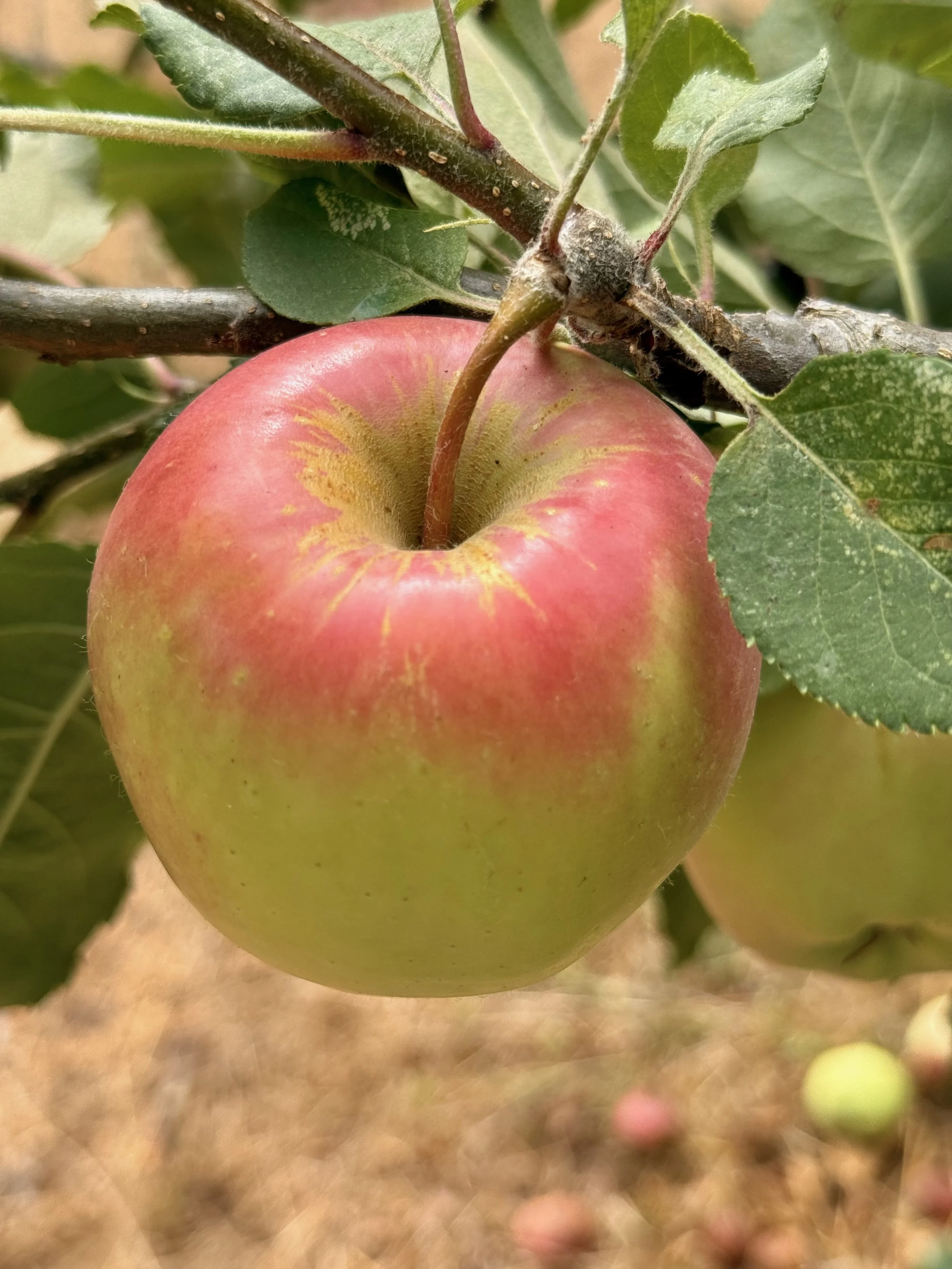
Organic apples that have been dry farmed like ours are rare however. They have sun-blasted concentrated juices - not perfect looking by any means, not pumped up (flavors watered down) from irrigation. They have thicker skins, the better to protect the flesh, and you will sometimes find critter litter near the core. All 24+/- of our heritage trees, many grafted to very old wood by master orchardist Vidal Esponosa, have flavors that speak to the weather up here on the ridge; a medley of textures and aromas, faint but redolent. Close your eyes and you get a hint of eau du ridge- top note of carmelized fruitsugar, middle notes of early morning fog from the Pacific filtered through the redwoods, base note of umami mountain funk.

Summer is almost gone, shouts from the pond have faded, our back aches linger longer in the mornings. But it is worth it all to wake and see autumnal fog blanketing the trees, breath in the perfume of all these apples. To savor the completeness that satisfies the dreamer long after she’s forgotten the dream.

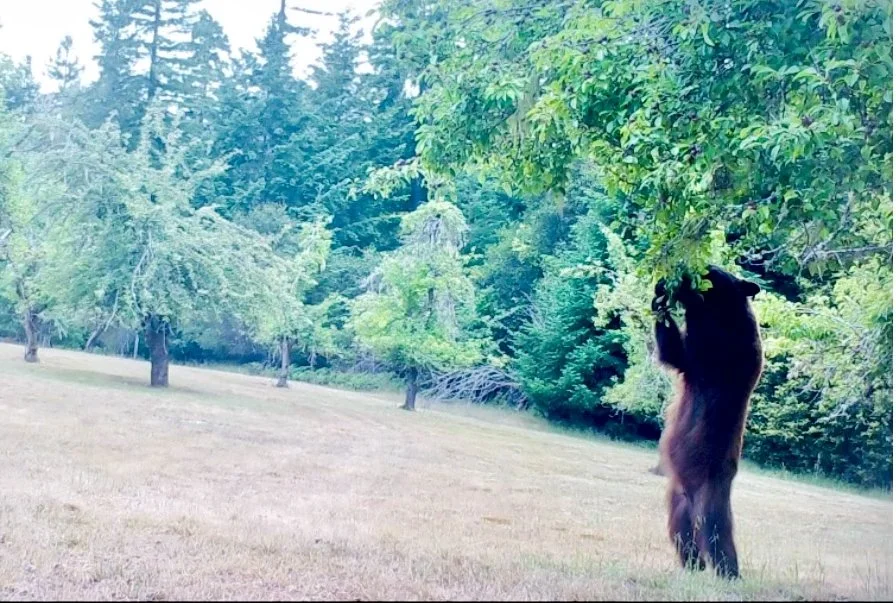
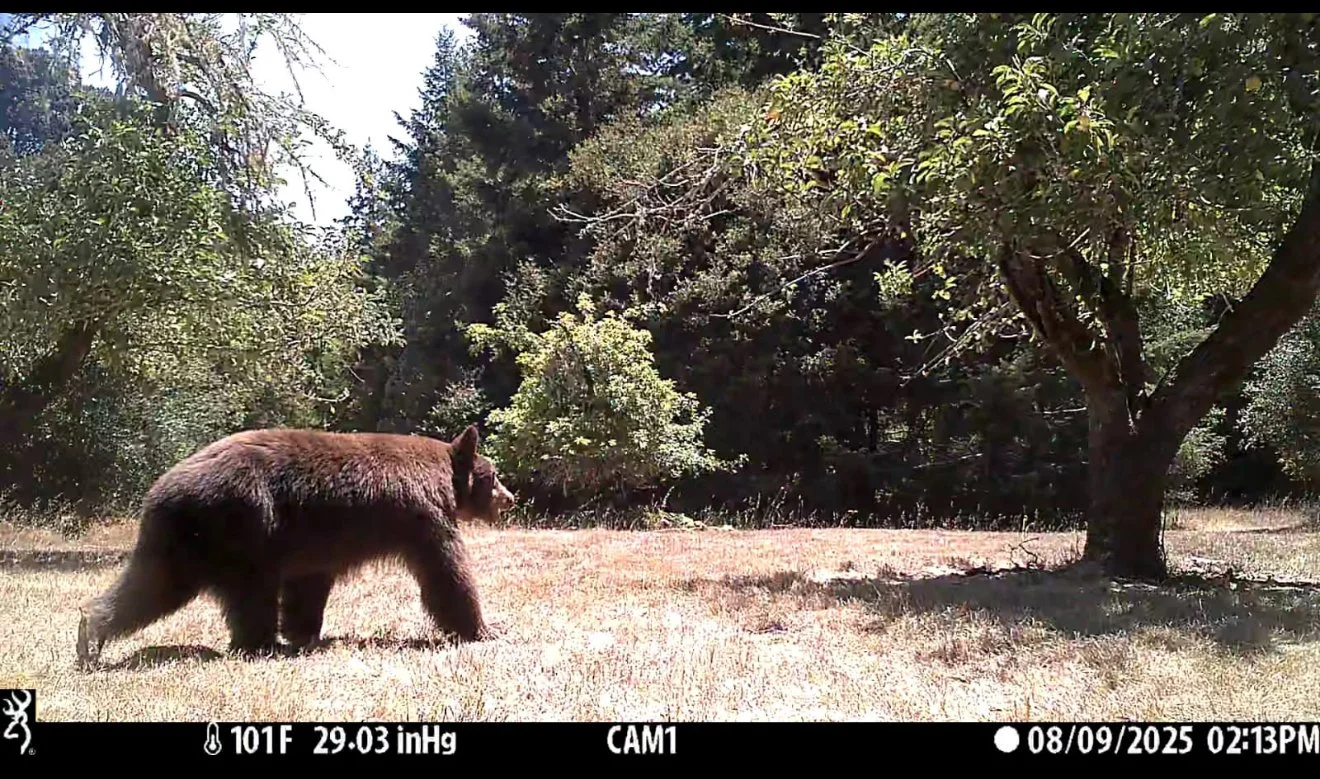
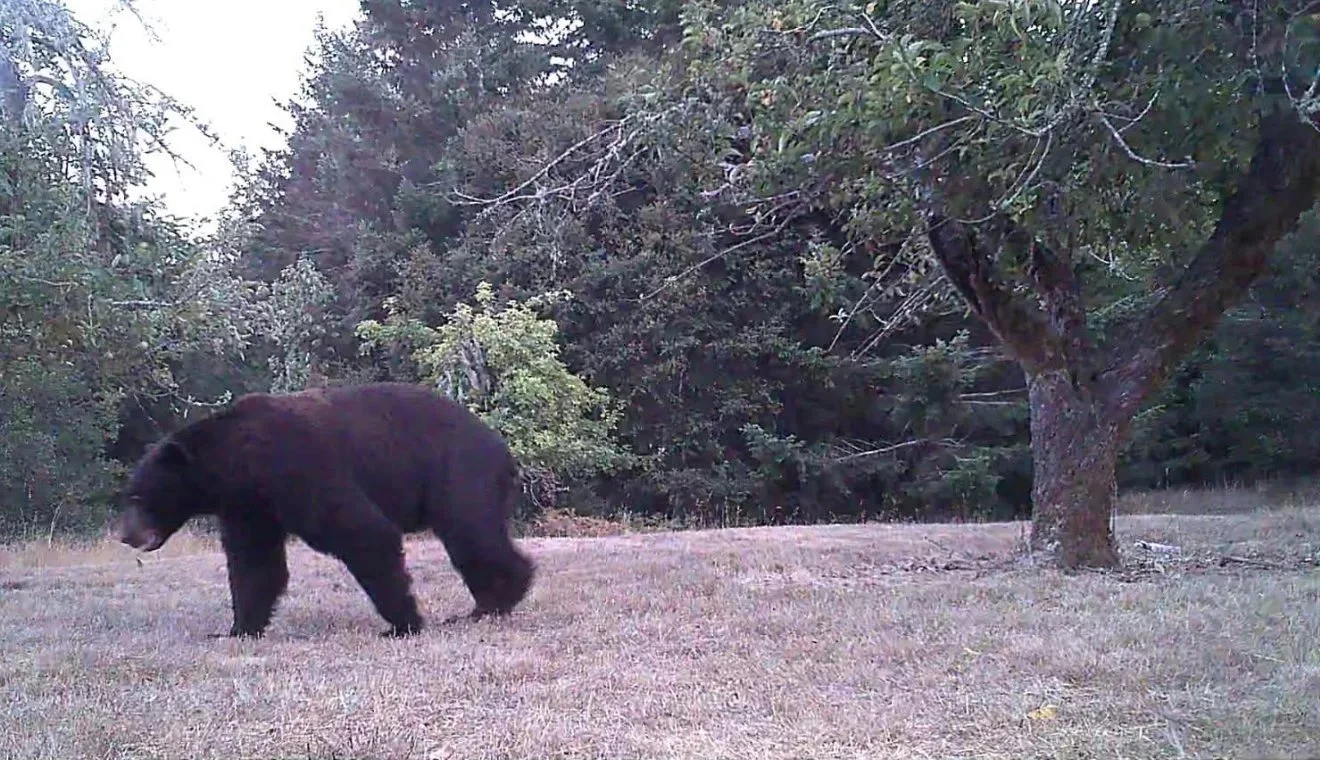
The California Grizzly that features as our state symbol has been extinct since the 1920’s, extirpated due to habitat loss and overhunting. But bears play a continuing role as ‘ecosystem engineers’ up here - their nutrient ‘recycling’ programs contribute all across our orchards, as well as a thing to behold, I mean these guys eat and defecate all night long people. But their size, which can be quite large, belies a shy and non-aggressive nature.

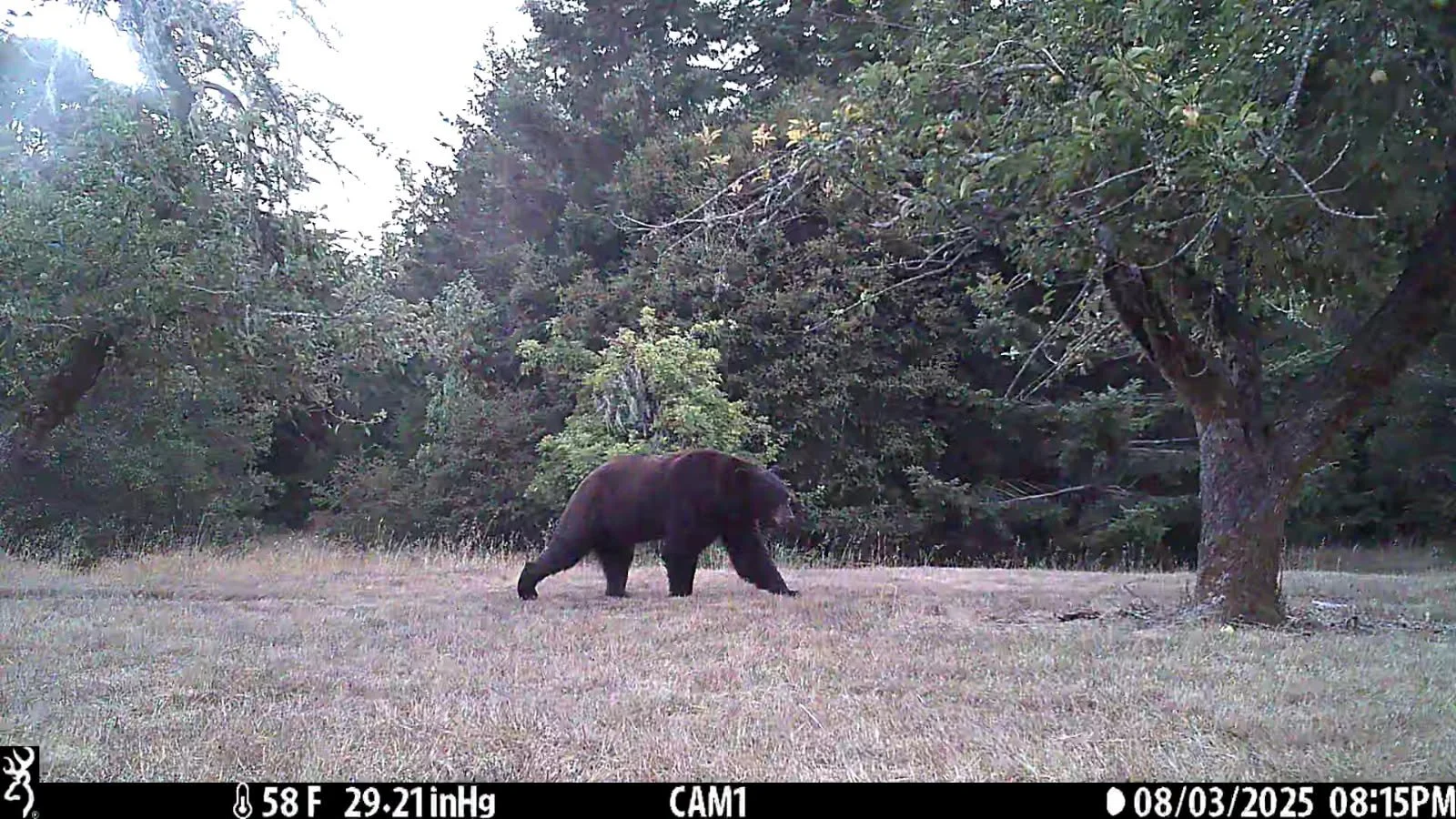
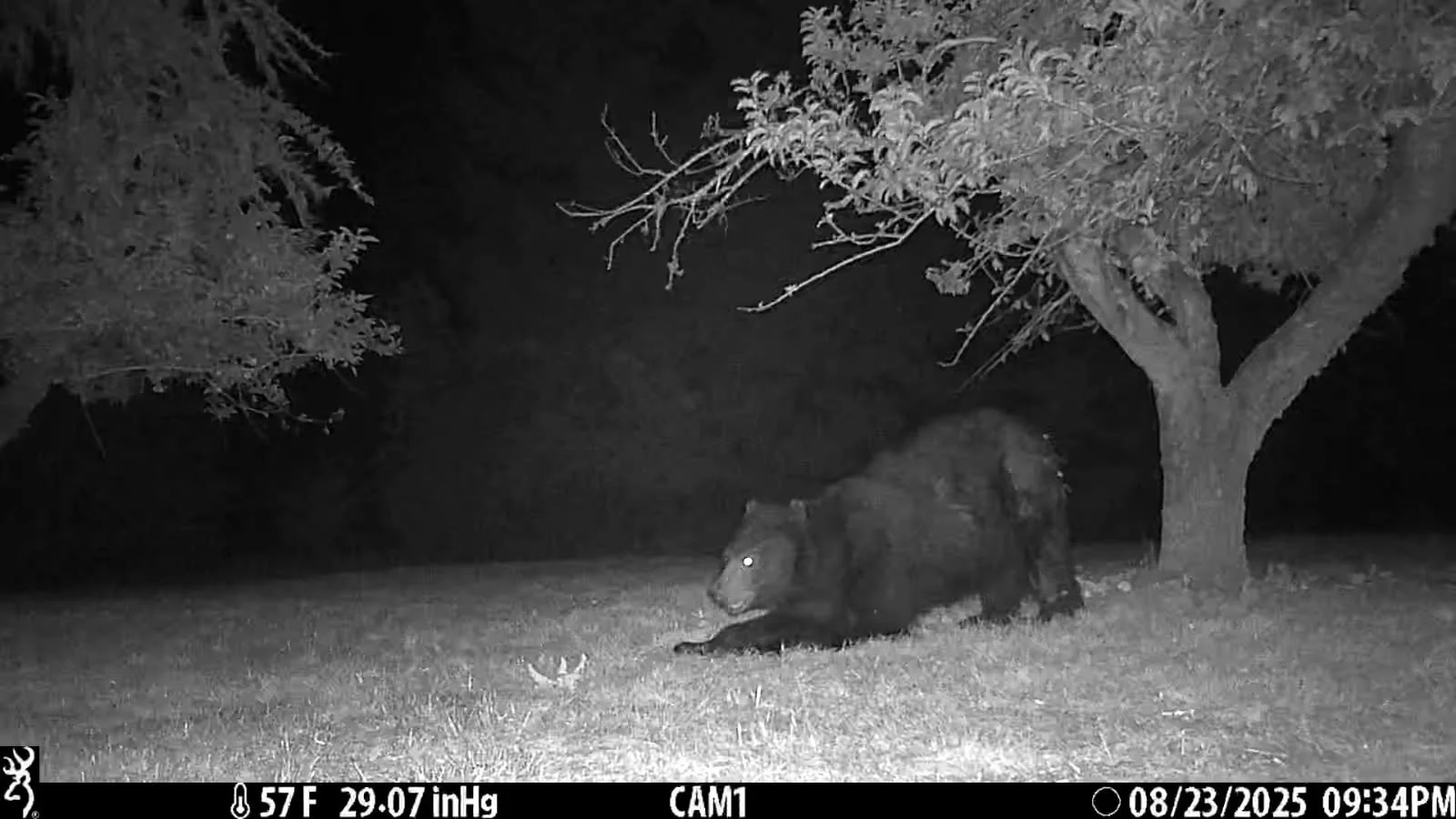
The wild California Black Bears - though they come in many shades of brown - that roam these mountains are gentle souls. In the over four decades we have been here we’ve yet to run into one face to face. These images, courtesy of our thoughtful neighbor Dennis, whose family was one of the earliest settlers to Anderson Valley, looked out his kitchen window earlier this week and came face to face with one of the midnight marauders in his orchard. They had a brief staring contest. Then the bear took off before Dennis could say boo.

Comment

Comment

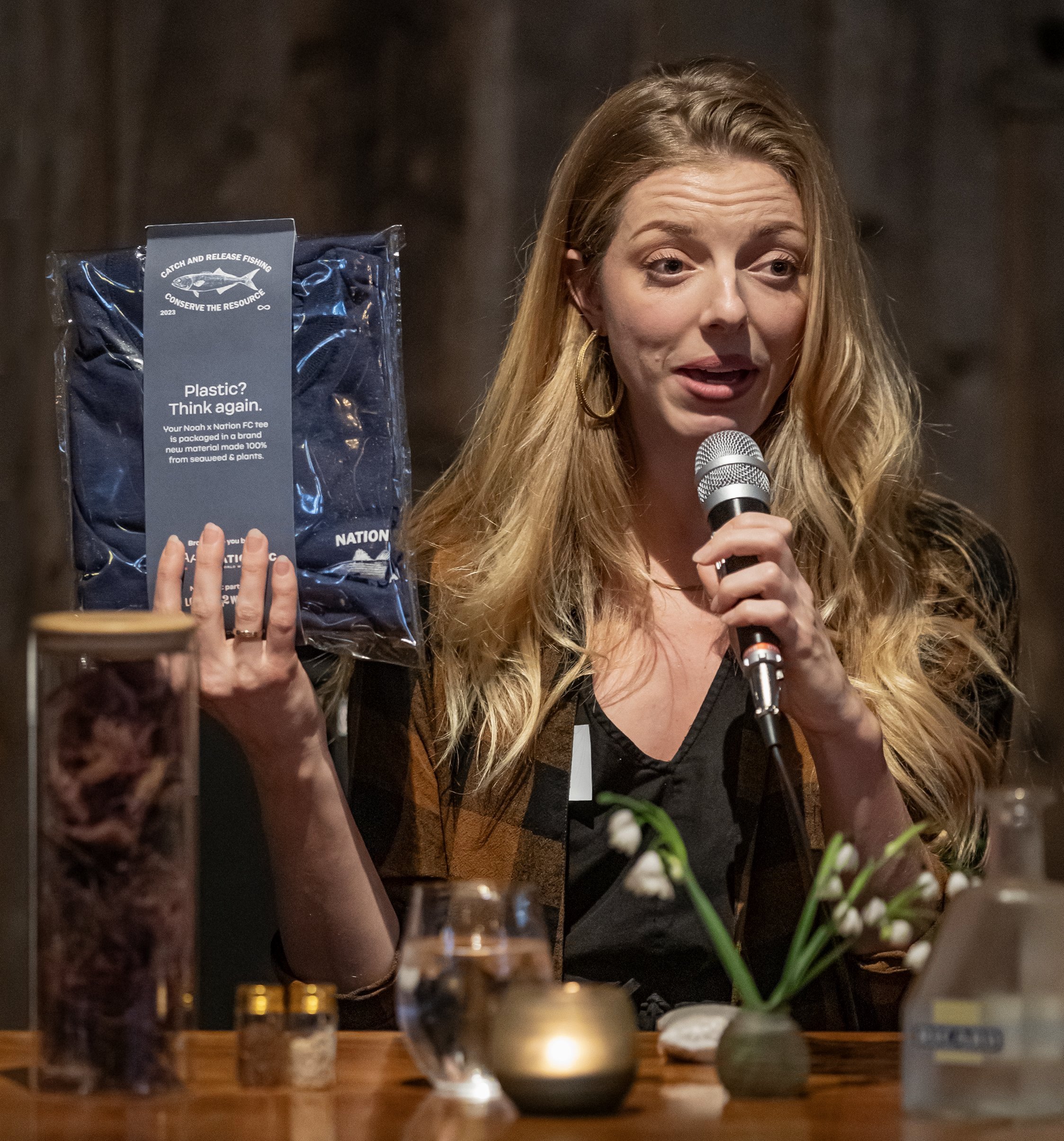
Plastic? Think Again.

The community gathers for Conversations Worth Having #2 : Trash Talk, February 16th, in Studio Barndiva

Full Disclosure: we initially had great concerns making Trash the subject of our second Conversation Worth Having. But something happened after our first conversation, Gorgeous Garbage, that made the conversation about trash imperative. Of the many things we took away from our first community evening the realization that haunted us, as never before, was that even if we managed to divert more organic waste into making compost and soil, even if everyone we knew got better at recycling, even if these things began to miraculously happen all over the world, humanity would still go on filling the oceans with plastic, building higher and higher landfills of toxic waste. All the things we no longer have use for - our trash - endlessly circling and befouling the globe.

CWH is all about gathering community to have Serious Fun. We want to talk about important issues in a way which enables us to come away from these conversations making better choices, strengthening a commitment to live lighter on the ground. We don’t want to give up our creature comforts. We care about design. We want to live in a world with the ability to surround ourselves with useful, beautiful things. How do we make this compatible with individual actions, taken consistently, that signal true change in the way the social order works?

As life would have it, over 50 years ago I forged a beautiful, lasting friendship that among its many gifts brought a wondrous goddaughter into my life. And as luck would have it - for me and everyone who attended our February 16th Trash Talk - she has made it her life’s work to build just such a near future, or at least the possibility one might exist. we’re talking about businesses that take honoring a healthy ecology and a respect of the earth into every step of their supply chains. We’re talking about the products and the conduits that bring them into our short and precious lives.

Her name is Zem Joaquin. A founding member of Cradle to Cradle, for many years her company Eco Fabulous espoused the philosophy that we did not have to live lives of deprivation to be good global citizens. If we knew where to look, showed extreme care about how and where things were made, we could be as fabulous as we dared. She dared.

For the past five years she has grown an astonishing community of brilliant, innovative leaders- self identified disrupters to status quo supply chains- made of up scientists, inventors, doctors, designers, artists, and producers of all the things we use in our lives. It’s called The Near Future Summit and through it she has become a champion for businesses that “accelerate solutions to improve societal, individual and planetary health.” Dawnelise, Susan, Amber and I did our due diligence and research into how best to position Trash Talk - we toured Recology SF, met with the wonderful Deborah Munk, director of the artist in residence program. We listened to fascinating sustainable producers at a Women Founders Talk at the Ferry Building. We read and researched. Finally, after an edifying three day experience at 2023’s Near Future Summit, Zem guided our choice of speakers who graciously traveled to Healdsburg to talk to a sold out crowd in Studio Barndiva on Friday, February 16 for Conversations Worth Having, #2, Trash Talk.

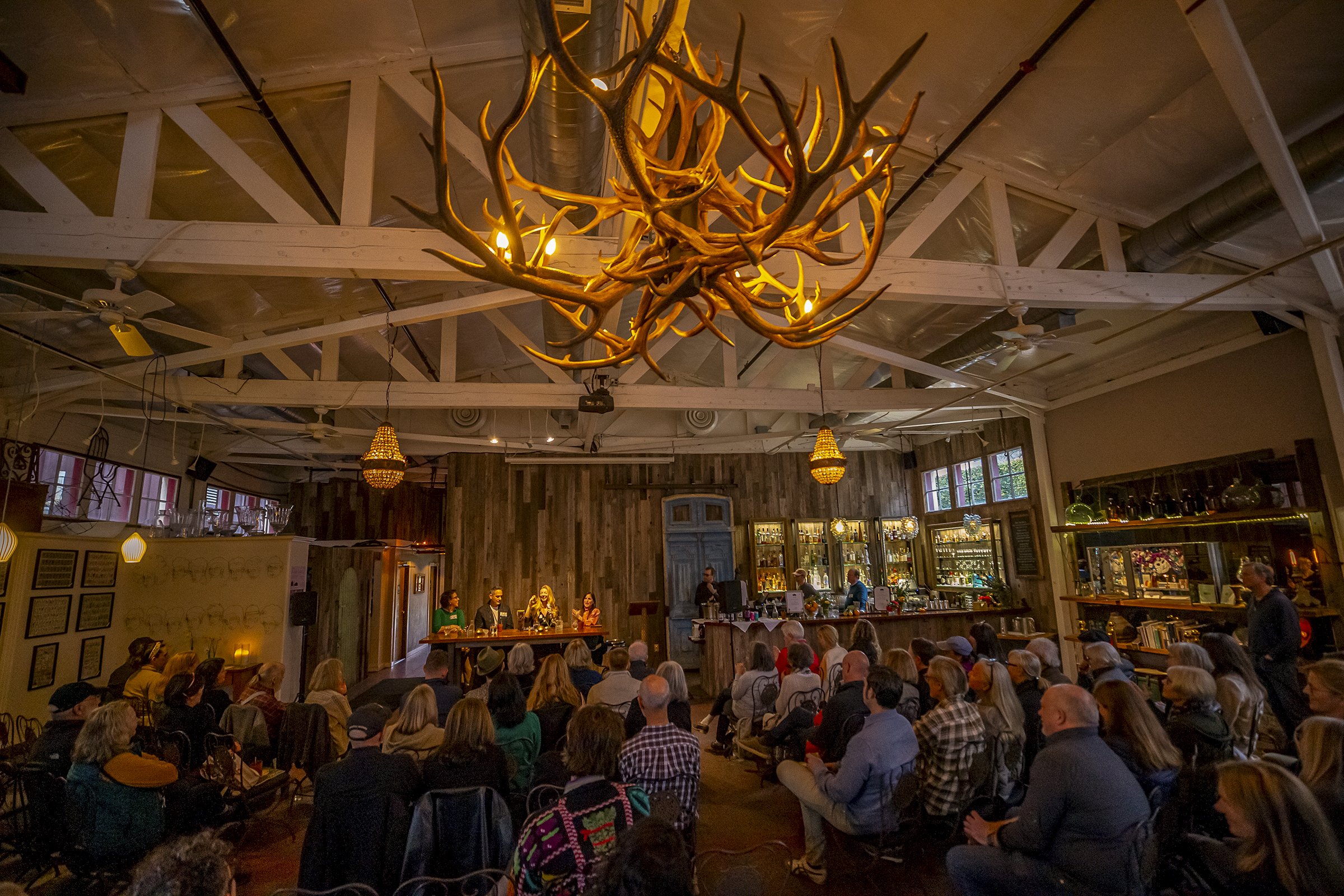
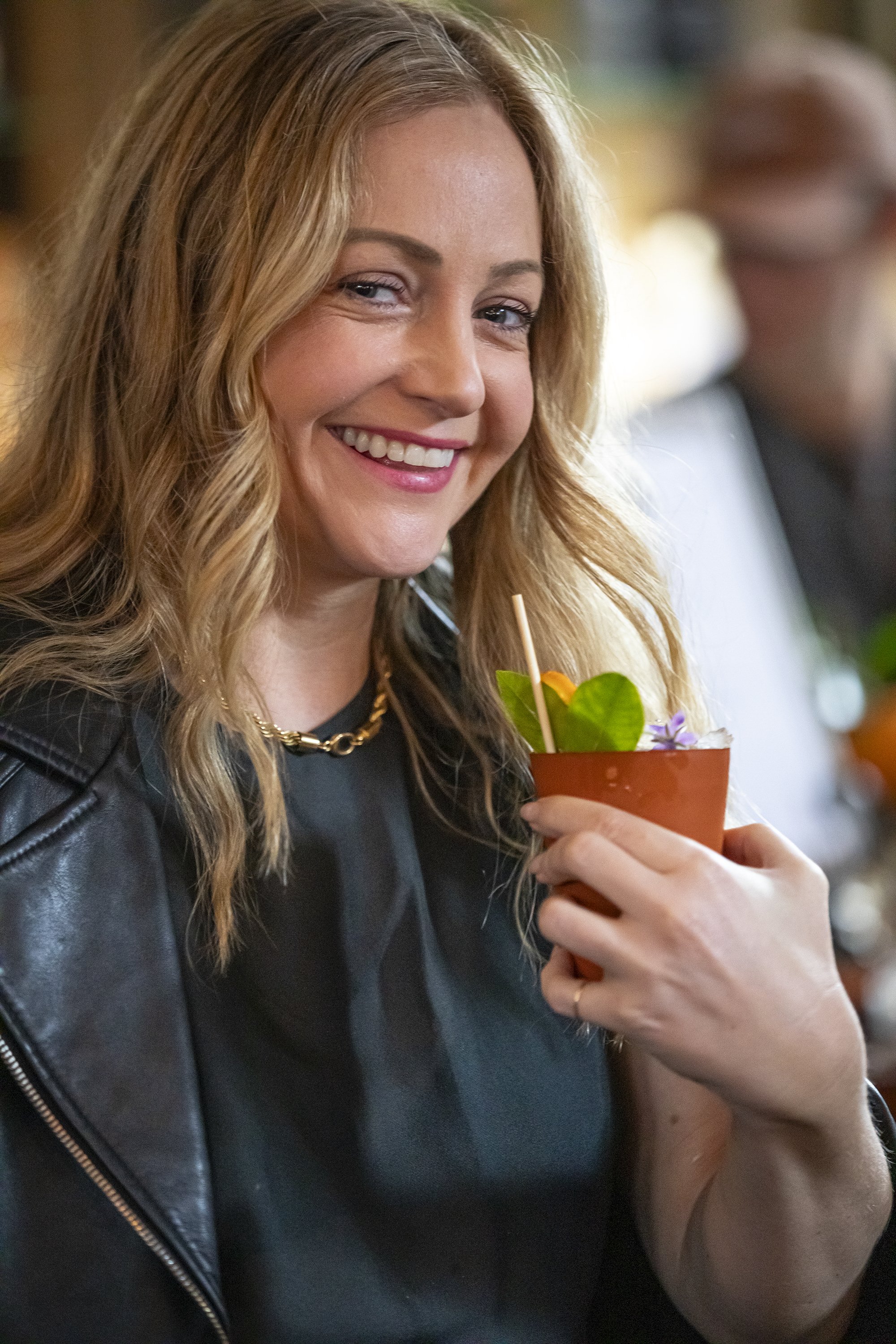
It was delicious but serious fun, as you know if you attended. If you didn’t, we missed you. Here is a visual taste of this throughly stimulating evening.

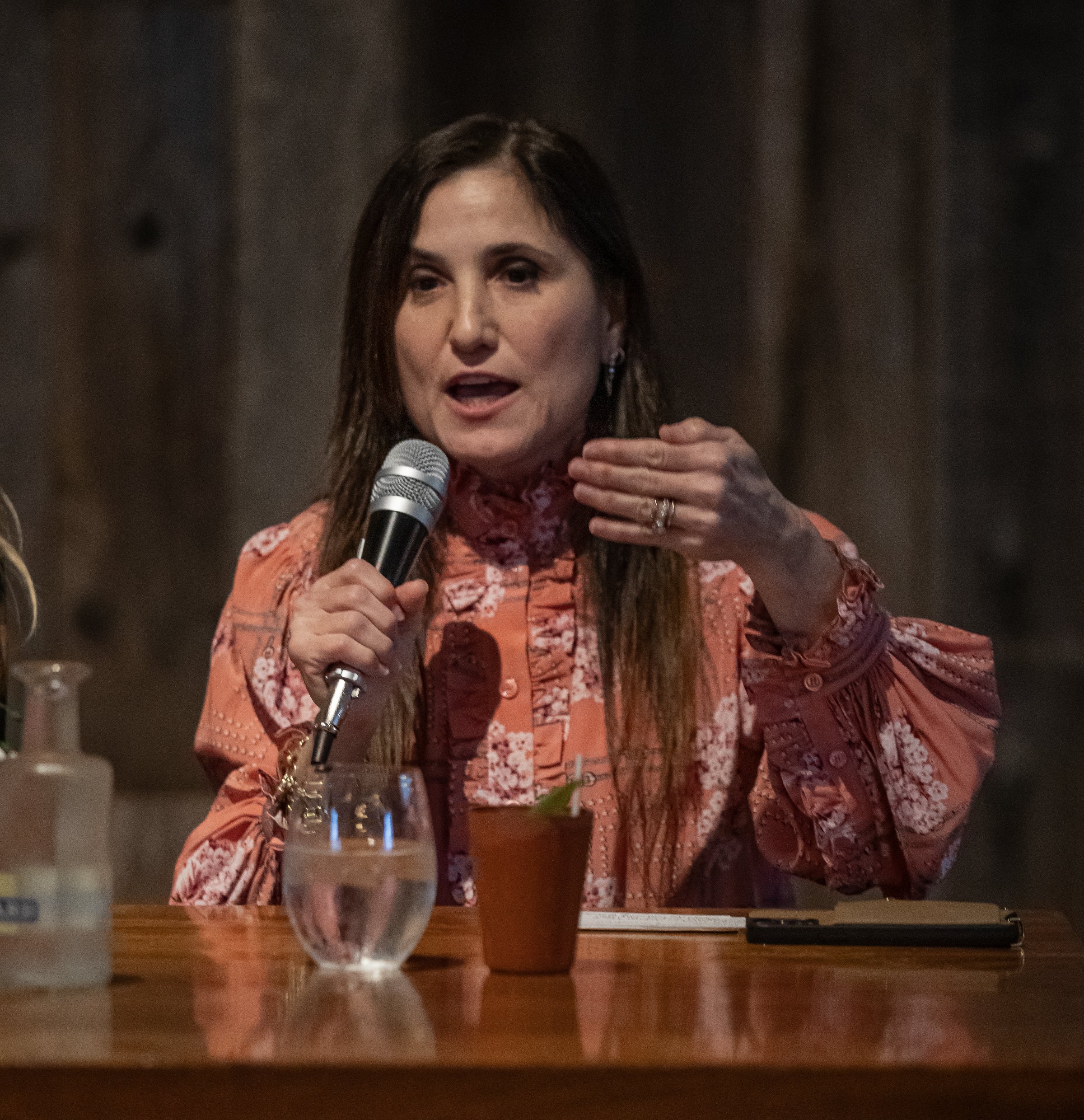
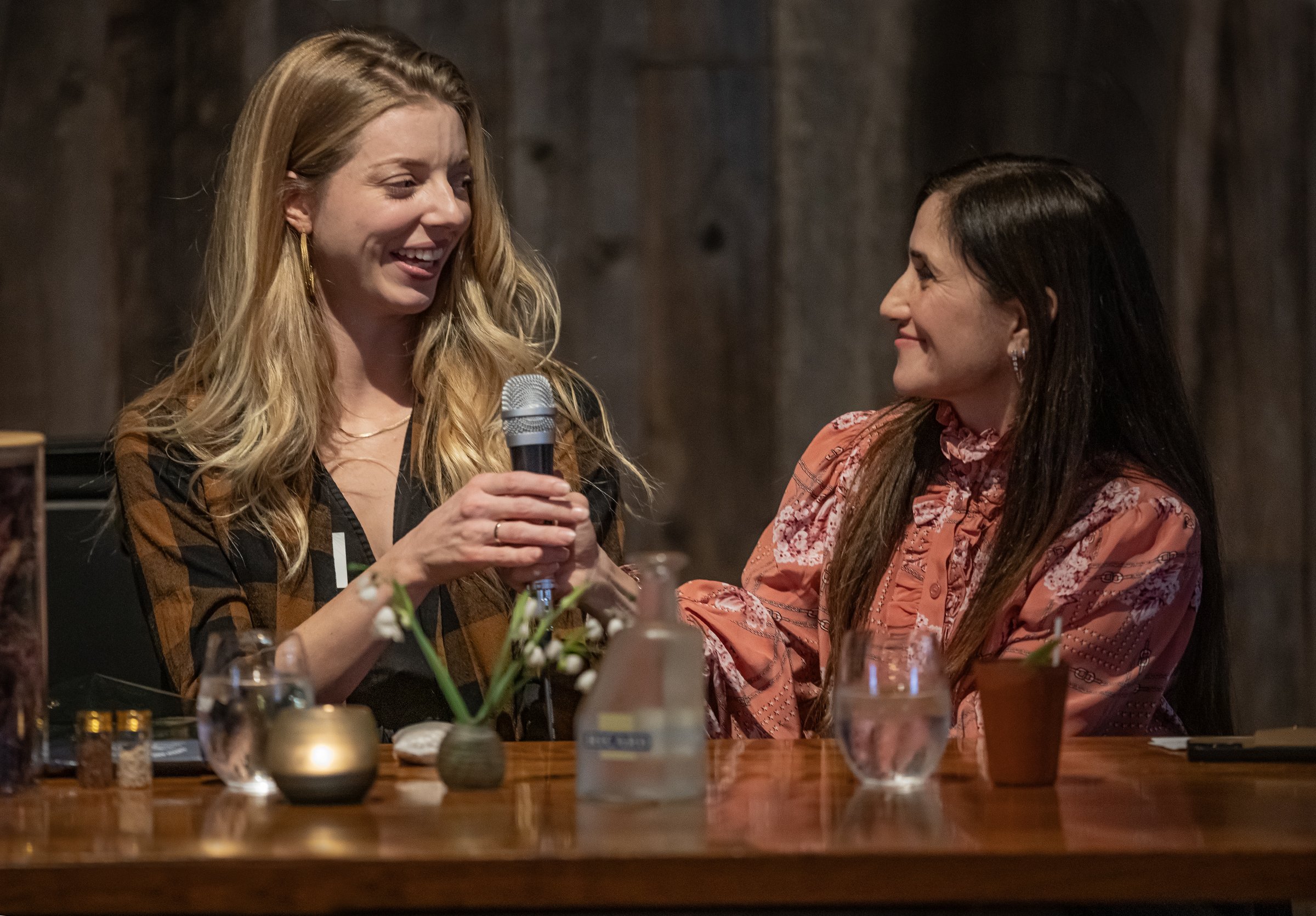
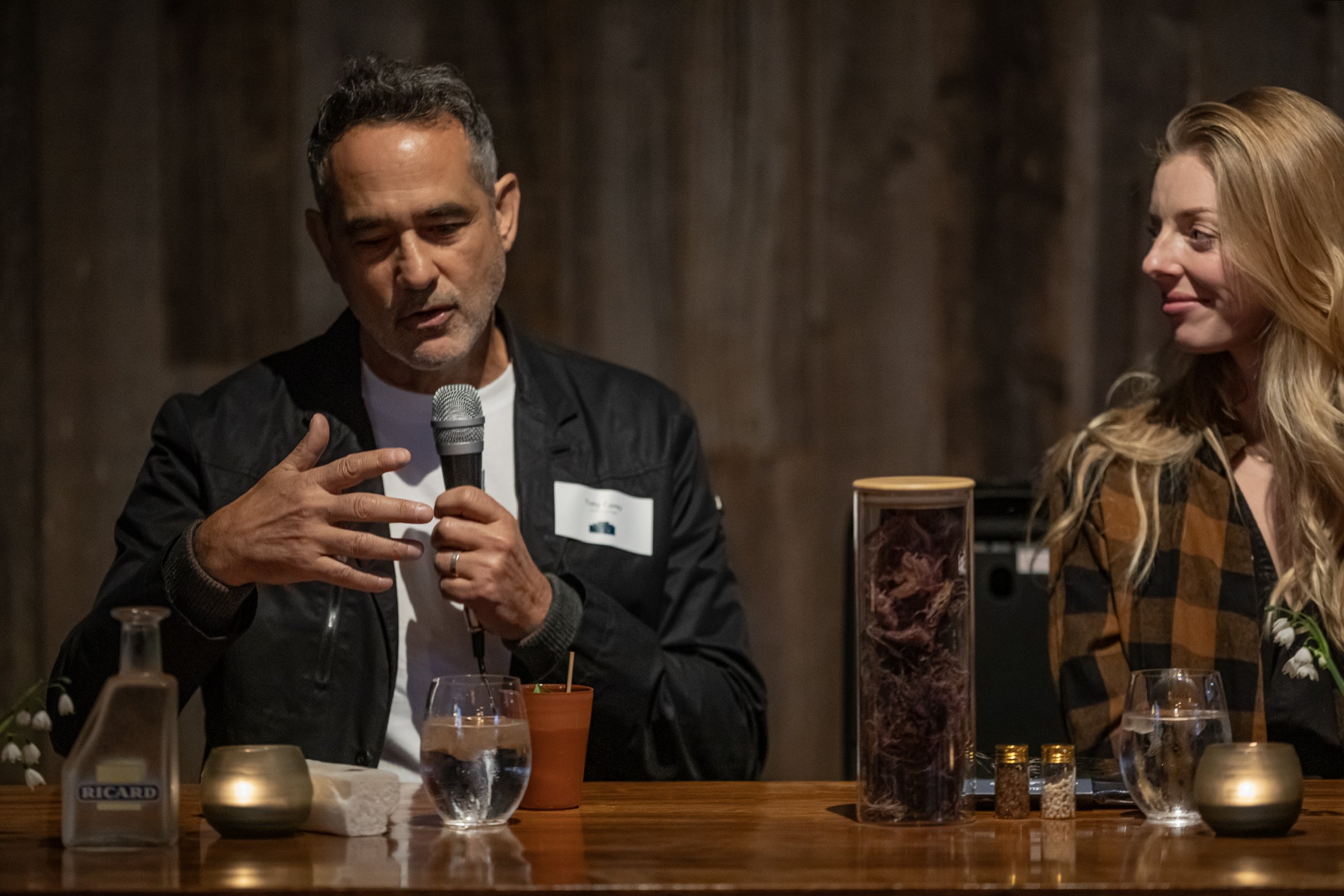
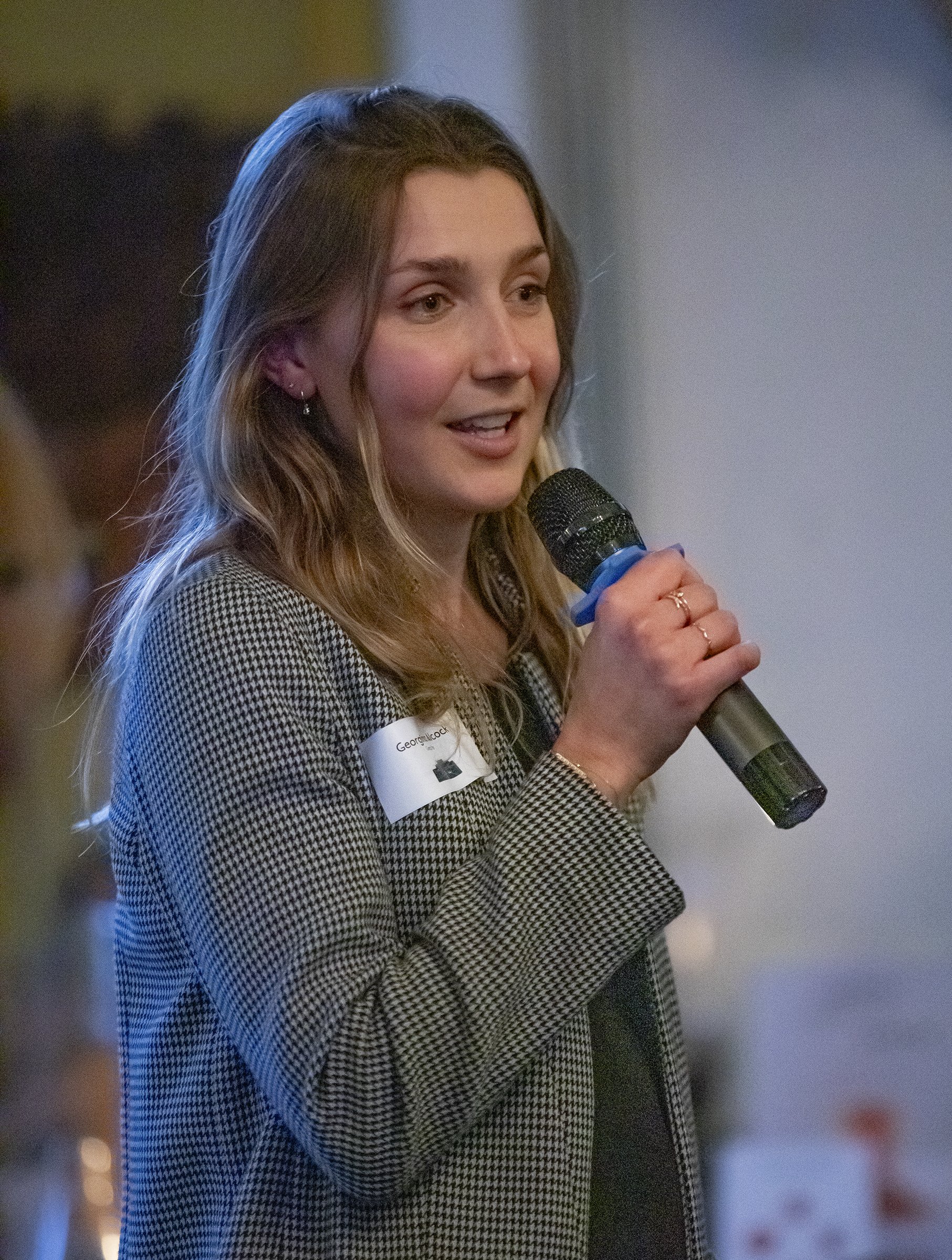
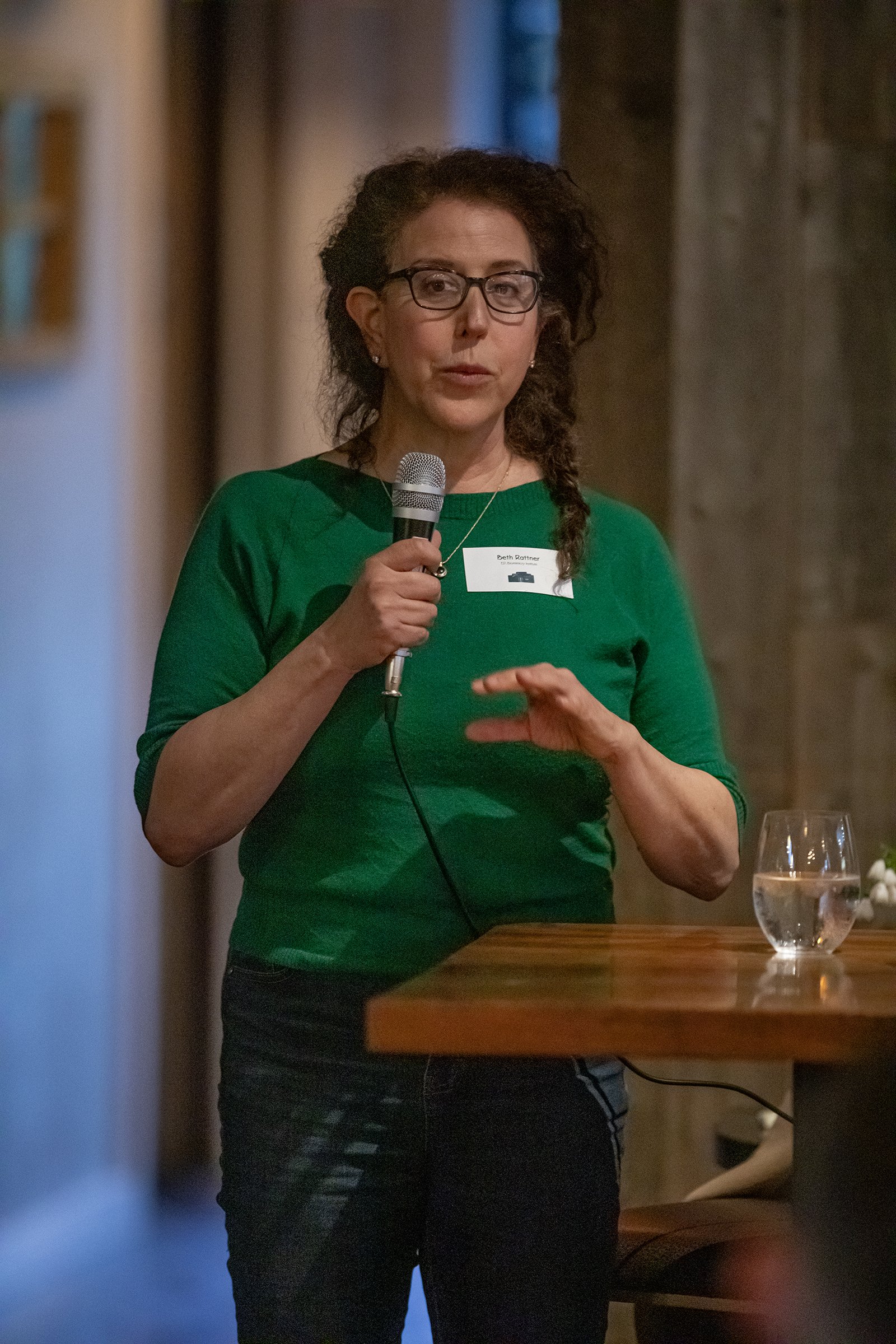
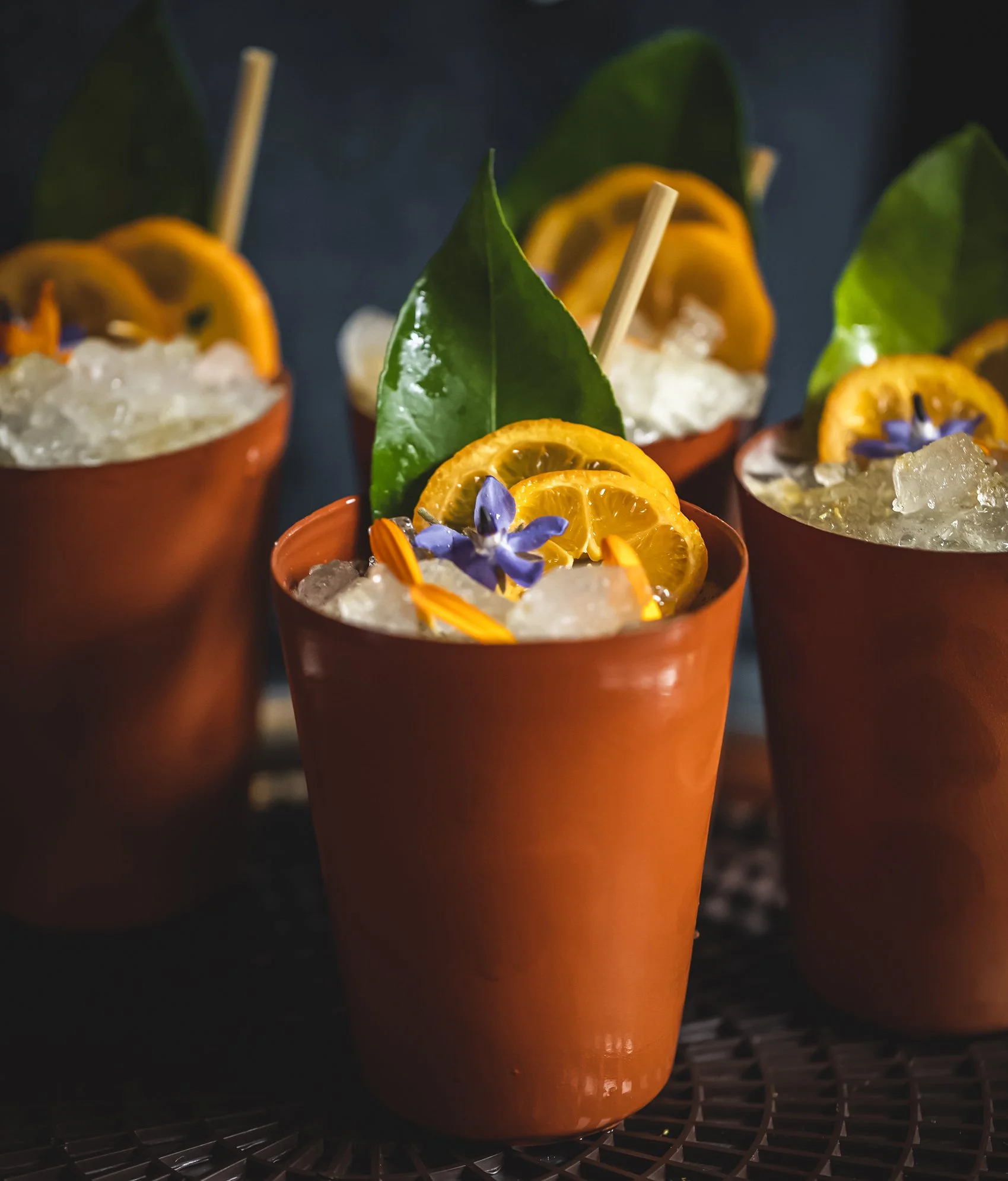
Our Speakers: LEFT: Toby Corey, COO of Cruz Foam, a sustainable foam packaging company that sources fully bio degradable materials made from shrimp shells, mushrooms, and recycled paper as an alternative to styrofoam. Cruz Foam was a PentAwards Bronze winner and one of TIME Magazine’s Best Inventions of 2023; CENTER: Gorgina Alcock, of GaeaStar, a ceramic zero waste alternative to single use plastic cups and vessels made of a clay, water, and salt sourced close to where it is 3’D printed (our CWH branded cups were produced in San Francisco from Sacramento clay); RIGHT: Beth Rattner, a director of the The Bio-Mimicry Institute, who walked us through the essential bridges we must start building between biology and design by advancing the adoption of nature inspired strategies. Highly recommended reading: Biomimicry, Innovation Inspired by Nature, by Janine Benyus, who founded the Biomimicry Institute, and The Second Body, by Daisy Hildyard.

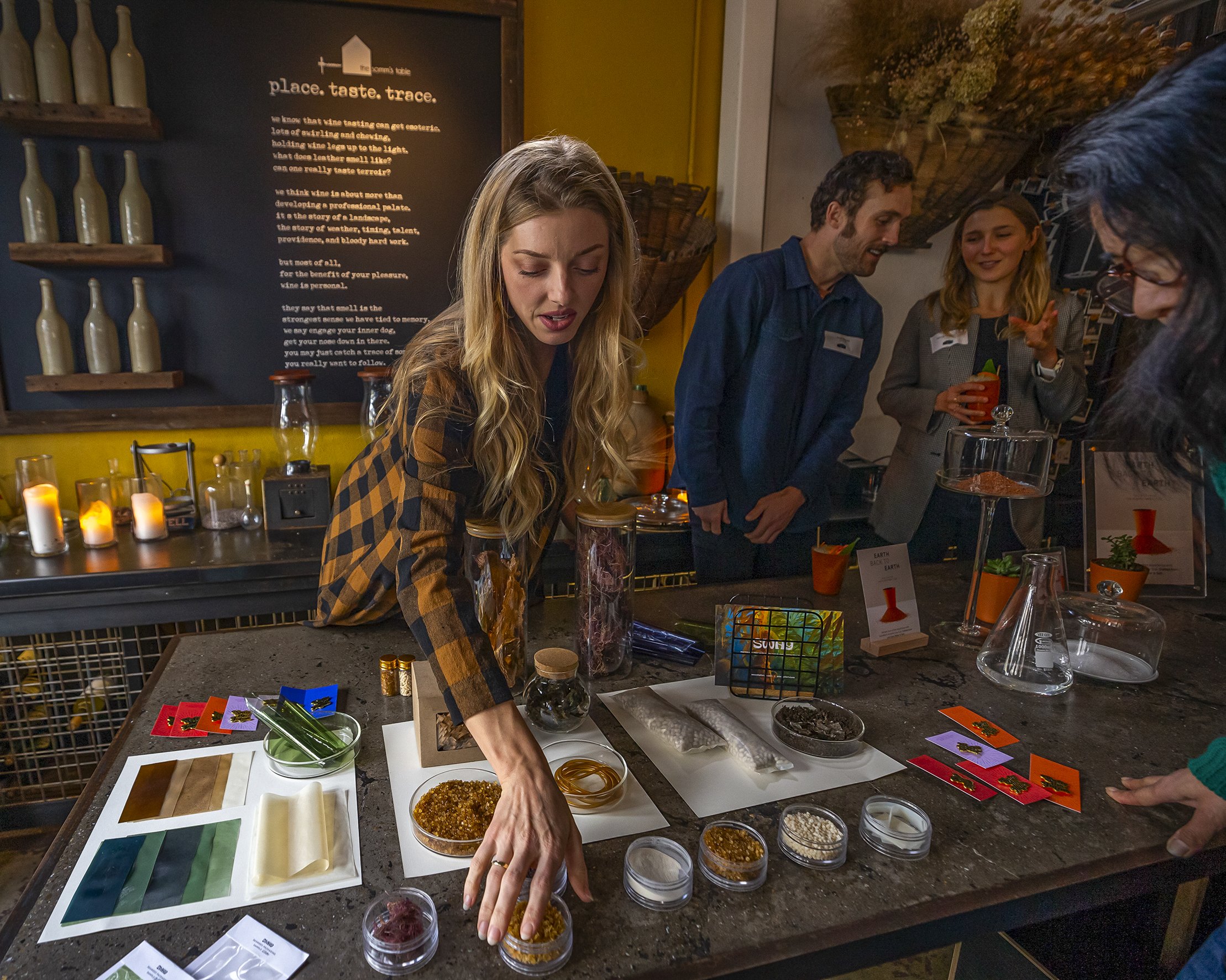
ABOVE: Julia Marsh who with her Husband Matt founded Sway, also joined our speaker forum. Sway is a start up whose goal is to harness the power of seaweed to create home compostable replacements for plastic. For their efforts they were the Winners of the Tom Ford Innovation Prize for 2023.

Sway embodies a central premise of circular economies around design that was a take away from the evening: design out waste, keep materials in use, regenerate natural systems. And this: as a consumer, make better choices.

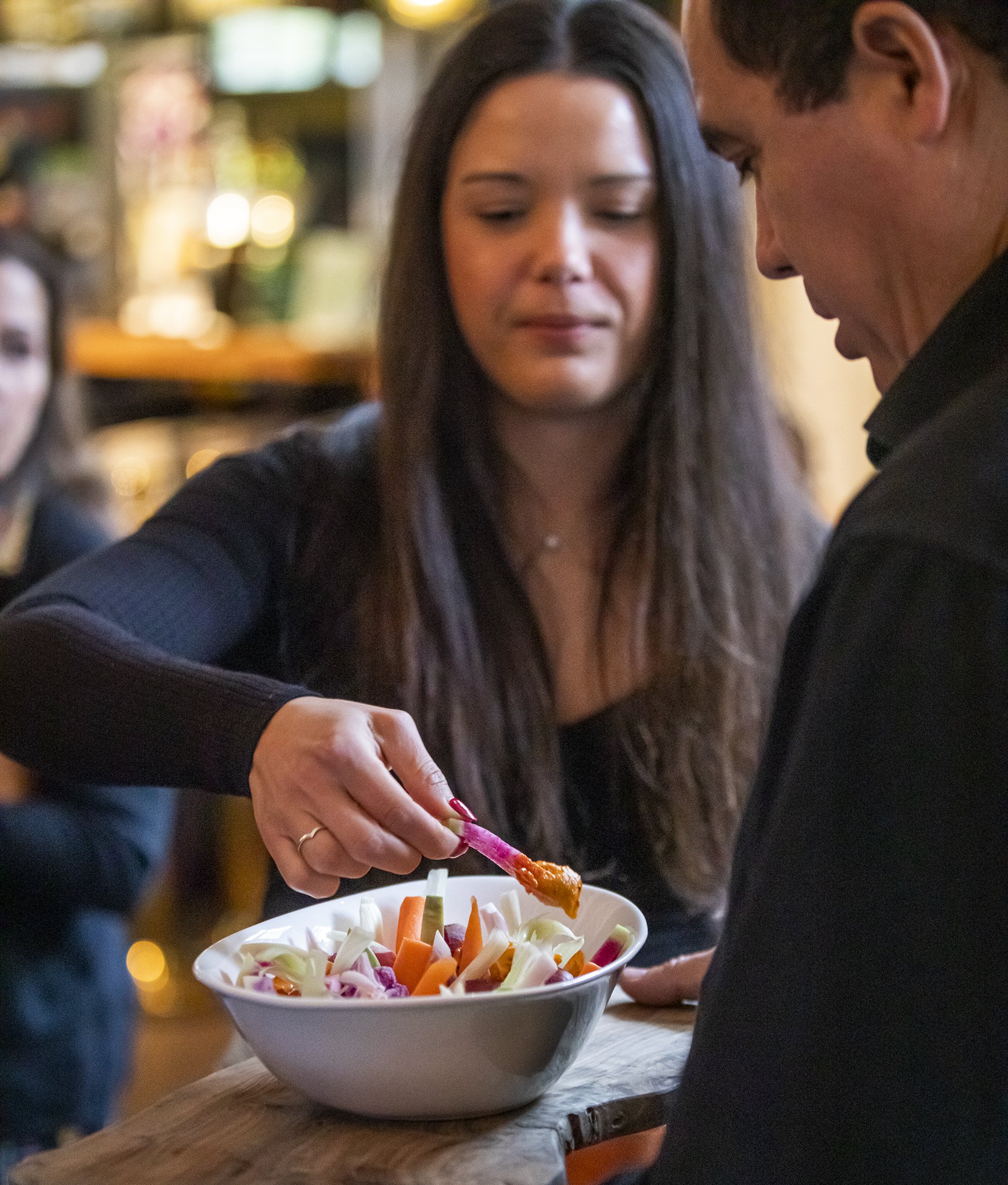
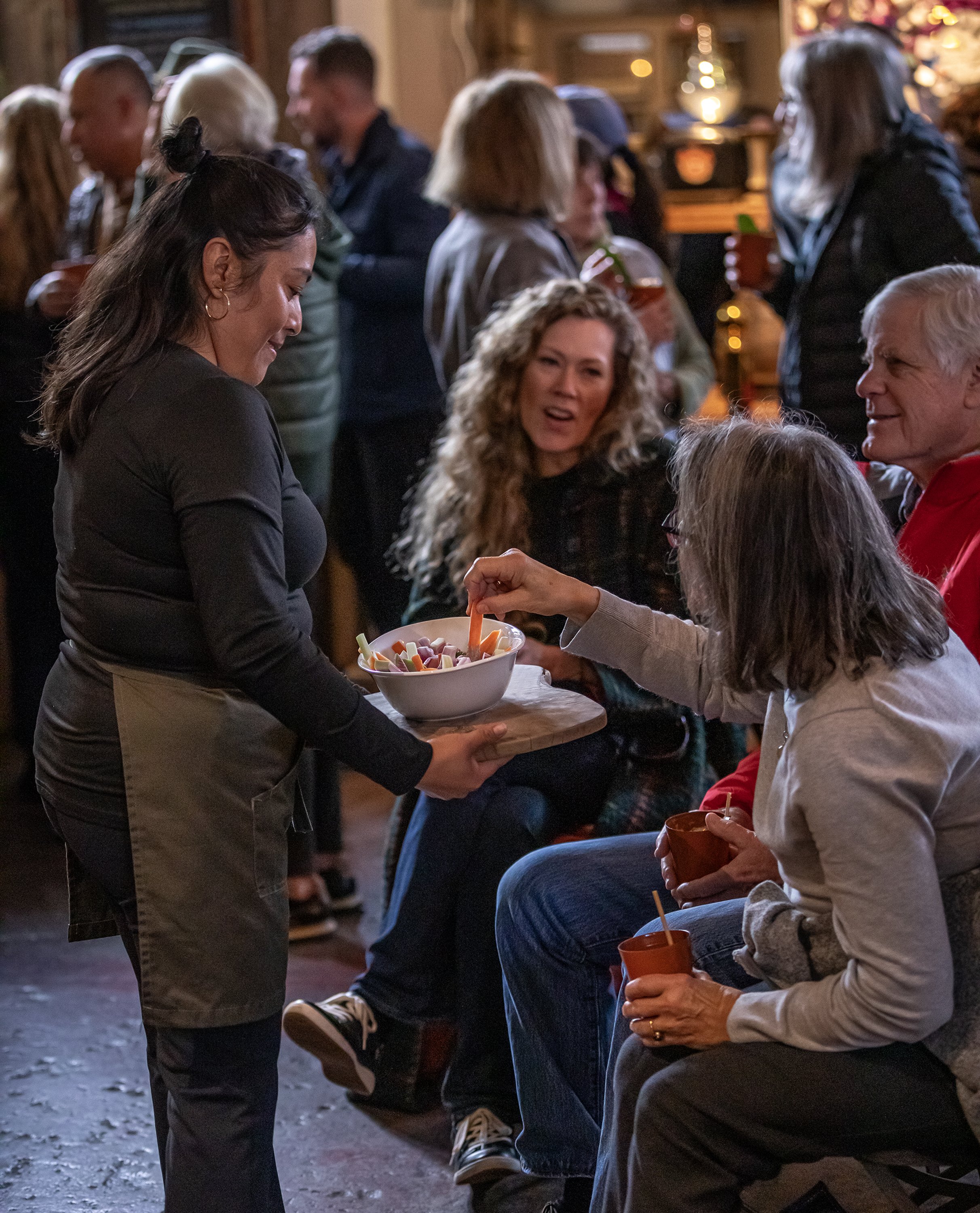
We were proud to have several local businesses who share our concerns about sustainability contribute to this Conversation Worth Having. Formost among them was Little Saint Healdsburg Healdsburg, whose chef, Stu Stalker, provided exquisite bowls of Little Saint Farm Vegetables with spreads of Carrot Tahini w/ dried chili, Cultured Cashew w/ Tomato Chutney, and Green Lentil Hummus. Little Saint’s director of beverage and sustainability, Matt Seigel collaborated with Barndiva’s Scott Beattie on both the spirit and NA cocktails: A Caipirinha made with Novo Fogo Carbon Negative Organic Cachaça, and Rangpur Me Another, our NA cocktail made with Rangpur lime as a cordial, anise hyssop tea, coconut yogurt, and Ritual N/A rum.

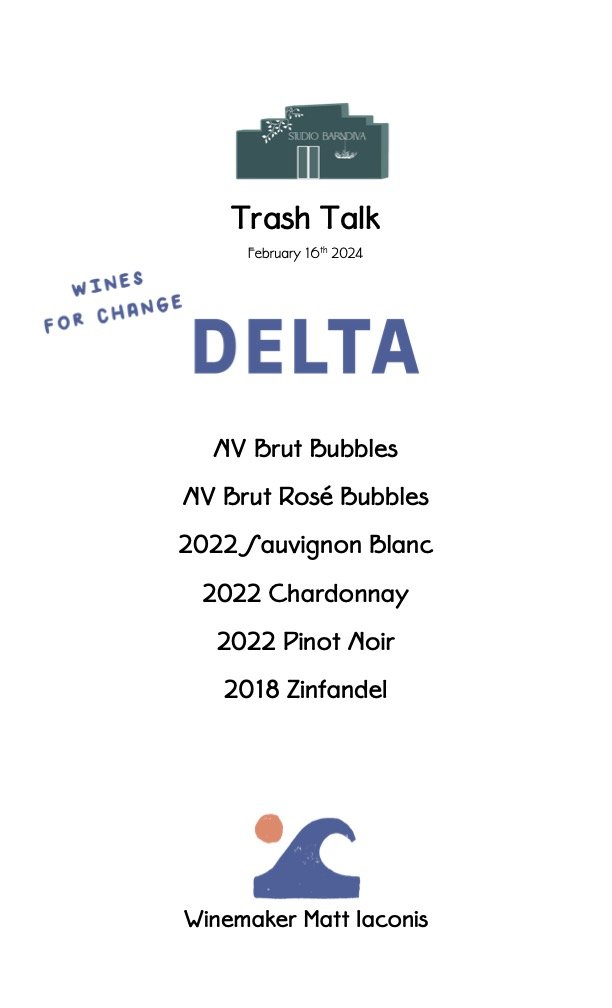
For those enjoying wine in their GaeaStar cups, we were honored to serve Delta Wines for Change made by our friends at Brick and Mortar, Alexis and Matt Ioconis. In bringing the climate conversation to the dinner table, Delta addresses greener packaging, reduces their carbon footprint in every aspect of wine making and supply chain choices, and donates 10% of all sales to the Surfrider Foundation, Cool Effect, and groups fostering environmental education- like Conversations Worth Having.

We also wish to thank Hotel Healdsburg’s Circe Sher for hosting some of our speakers and providing a discount for those traveling for the event. Coming soon: GaeaStar cups in the Hotel Healdsburg Spa.

And for anyone who missed the event or just wanted to keep the conversation going the next day, Flying Goat Coffee on center street hosted a pop-up on Saturday Feb. 17th using GaeaStar cups, which they gave away with every coffee sold.

A dinner for our speakers and a limited number of ticketed guests was held after the event in barndiva, which Daniel Carlson and I filled with foraged arrangements from our forest in Philo. We were so pleased he was able to join us for this CWH.

The Conversations Worth Having team is Dawnelise Rosen, director of Farmpeneurs, Susan Preston, of Preston Family Farm; Jil Hales, all things Barndiva, and Amber Keneally who researched and created our medicine cabinet art installation.

It is our goal to keep Conversation Worth Having events small enough so the actual conversation we have after listening to our speakers is forthright and meaningful. To find out about future events, sign up for the Barndiva Blog, Eat the View, or follow us @barndivahealdsburg.

Comment