Viewing entries in
Apples

 Studio Barndiva  2025

Comment

Studio Barndiva 2025

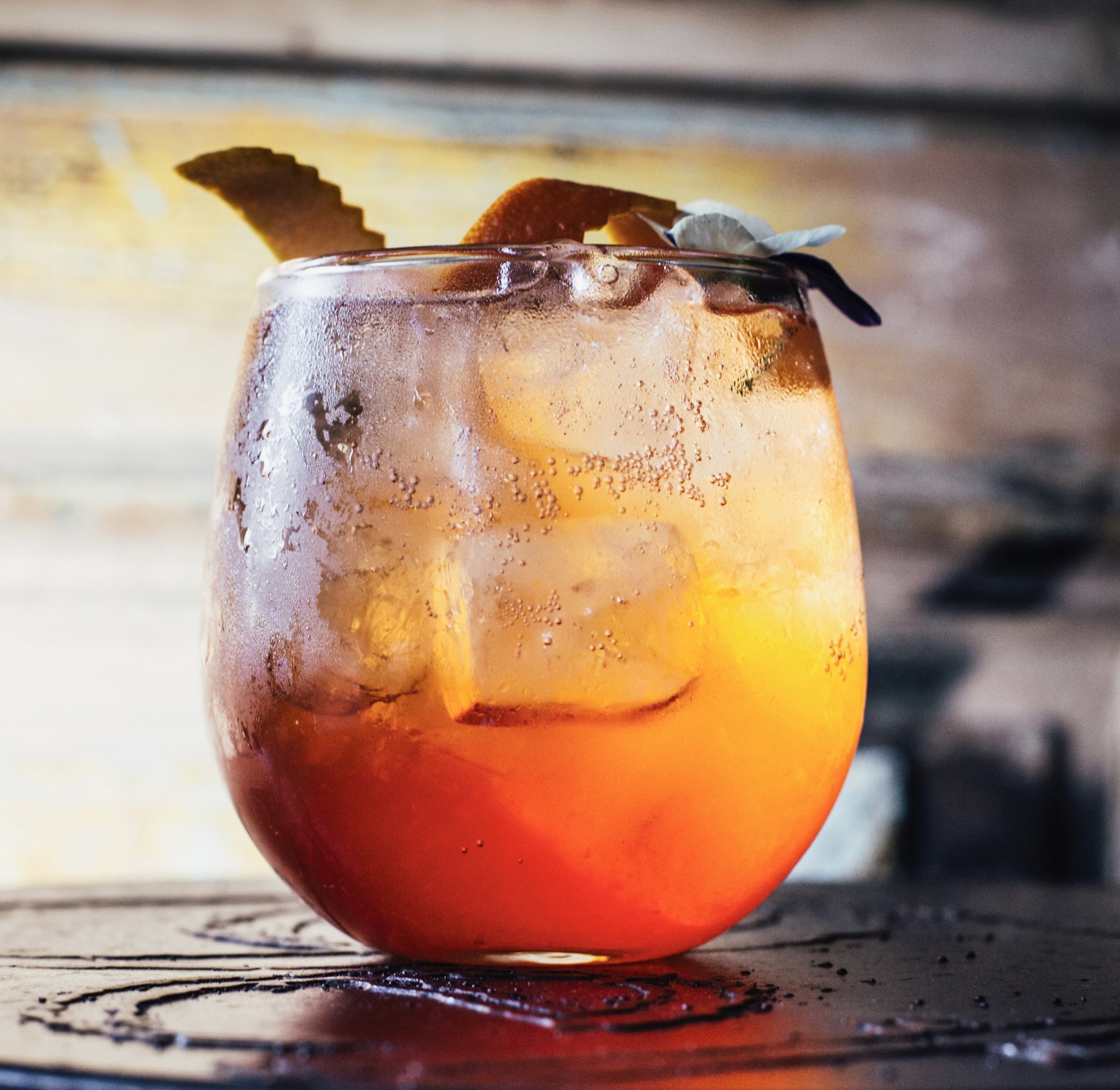
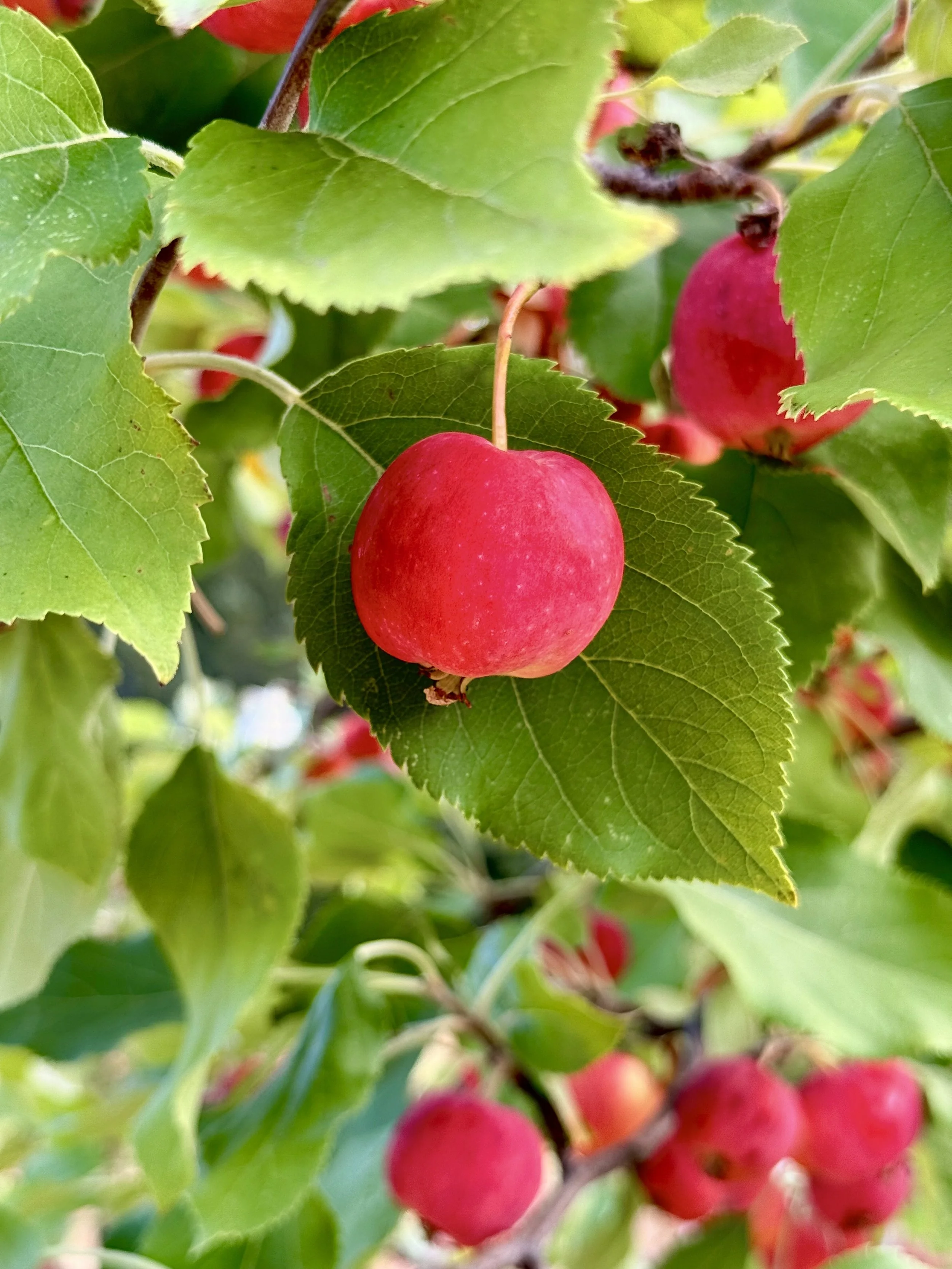
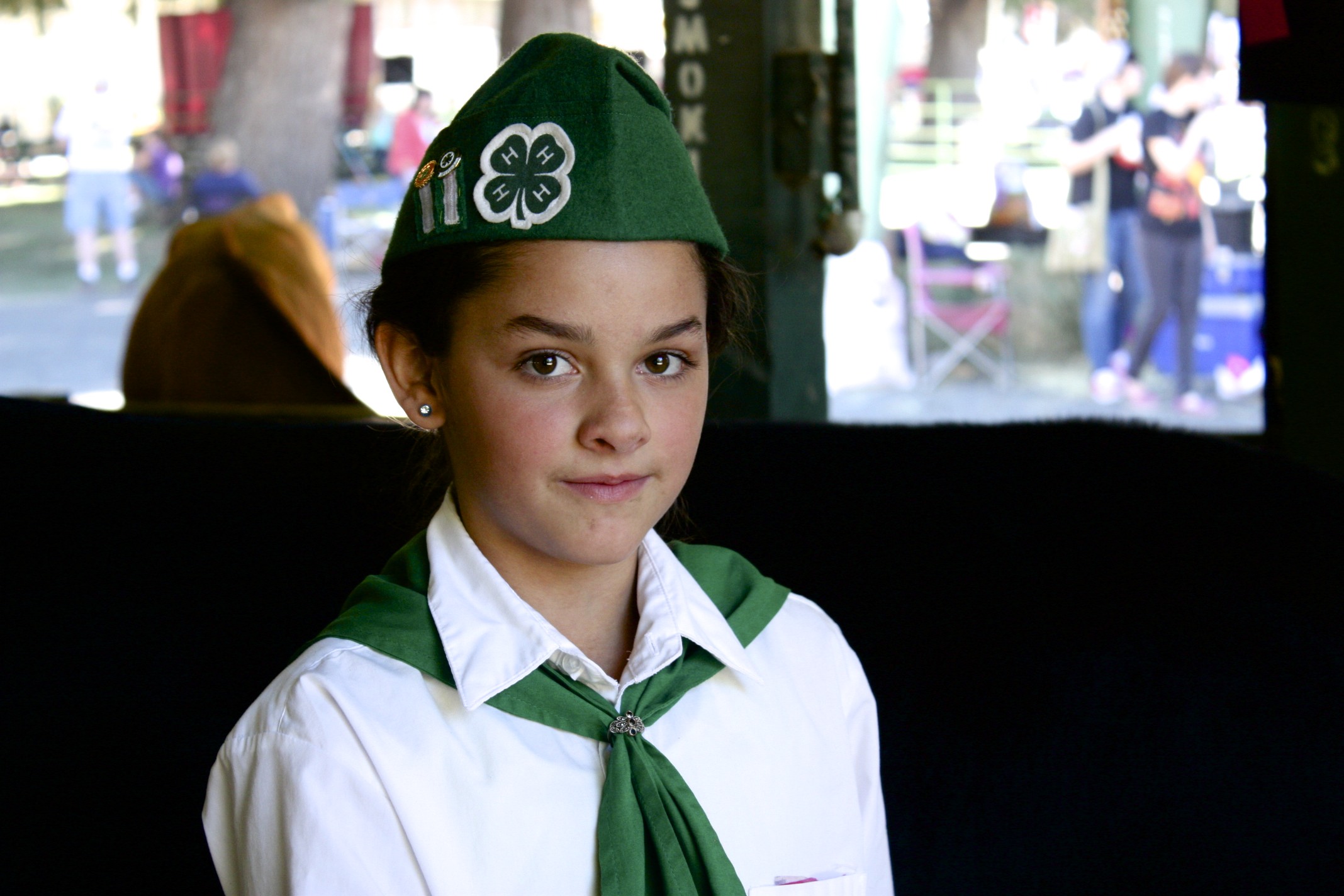
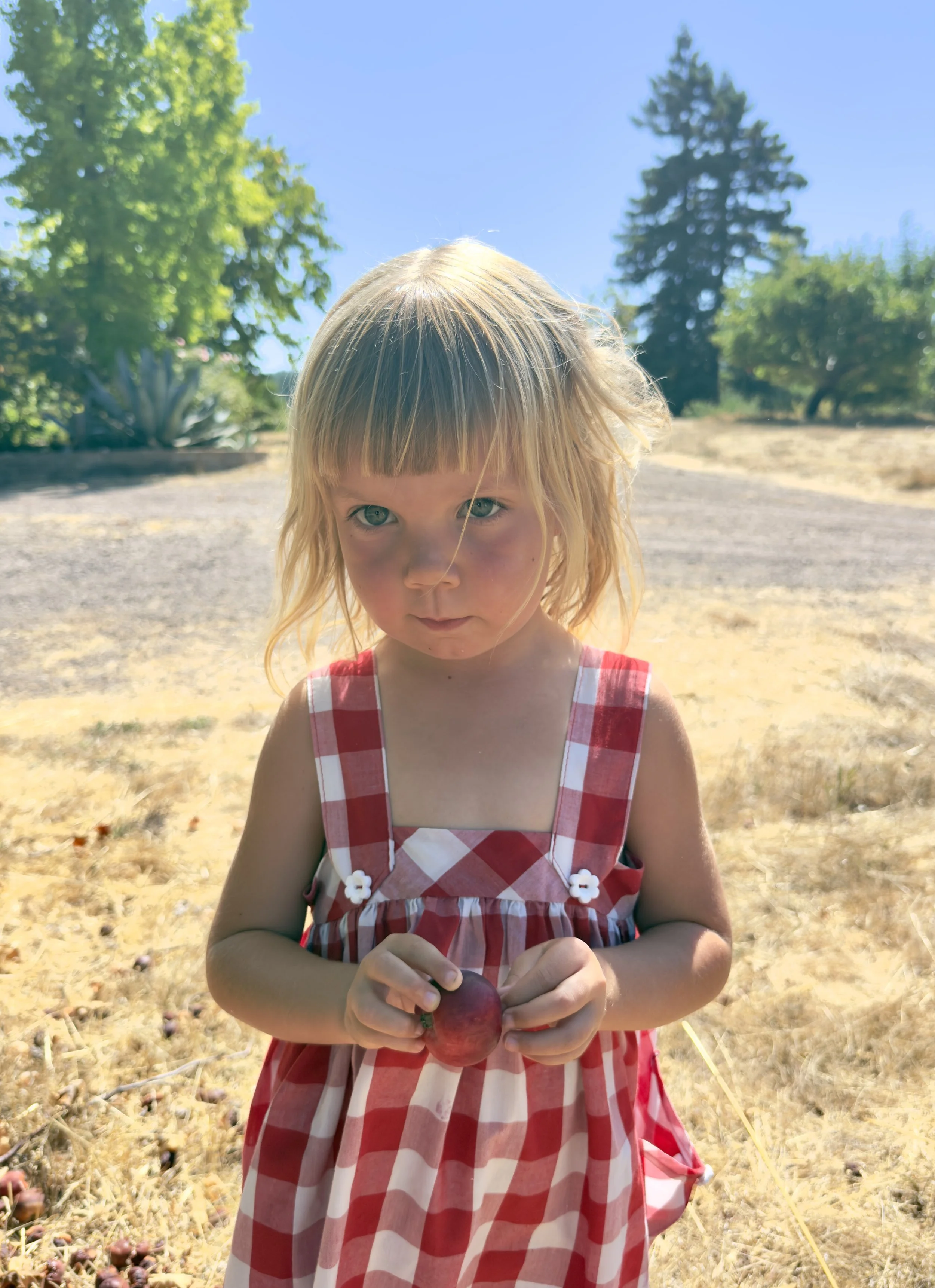
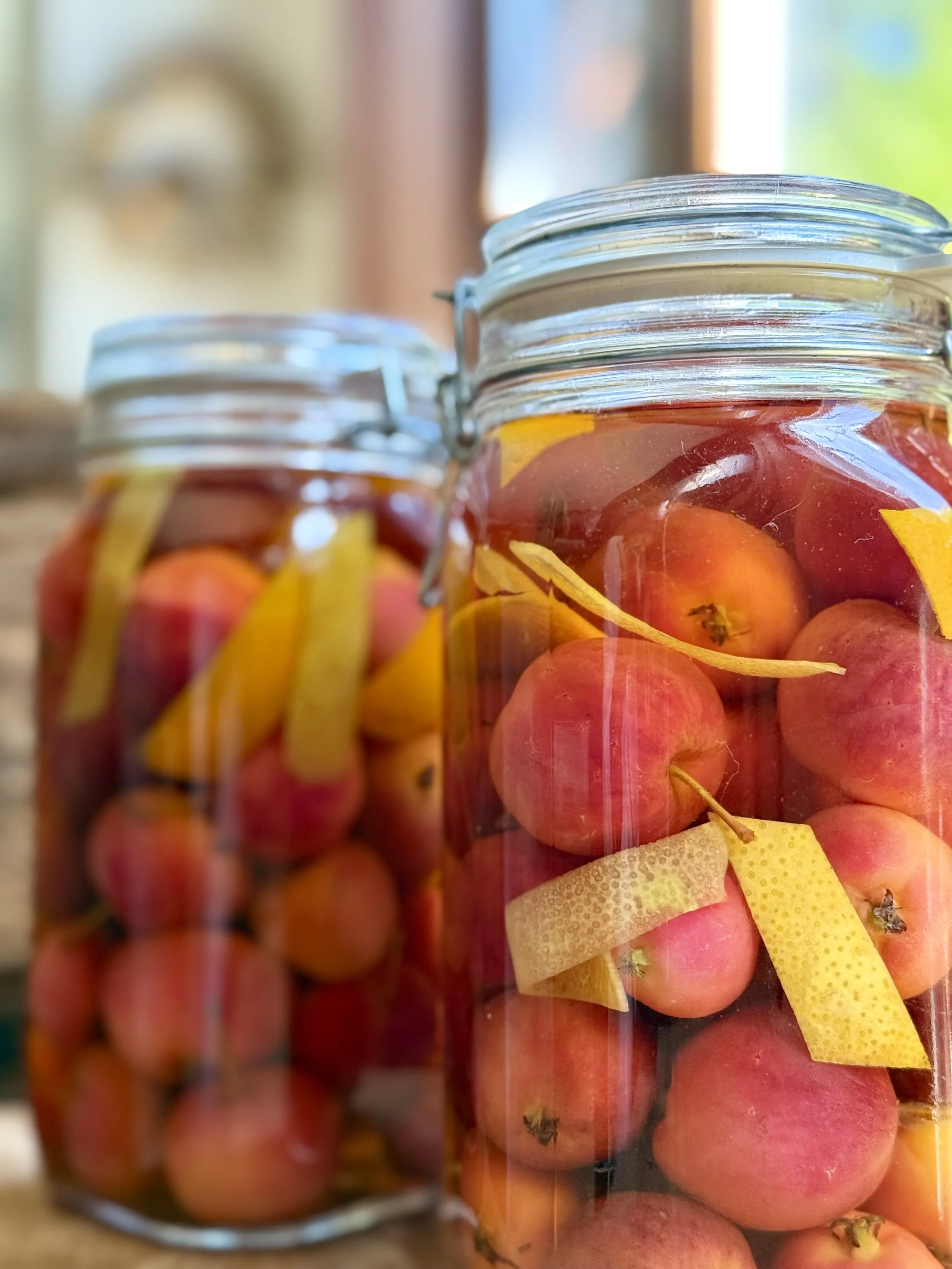
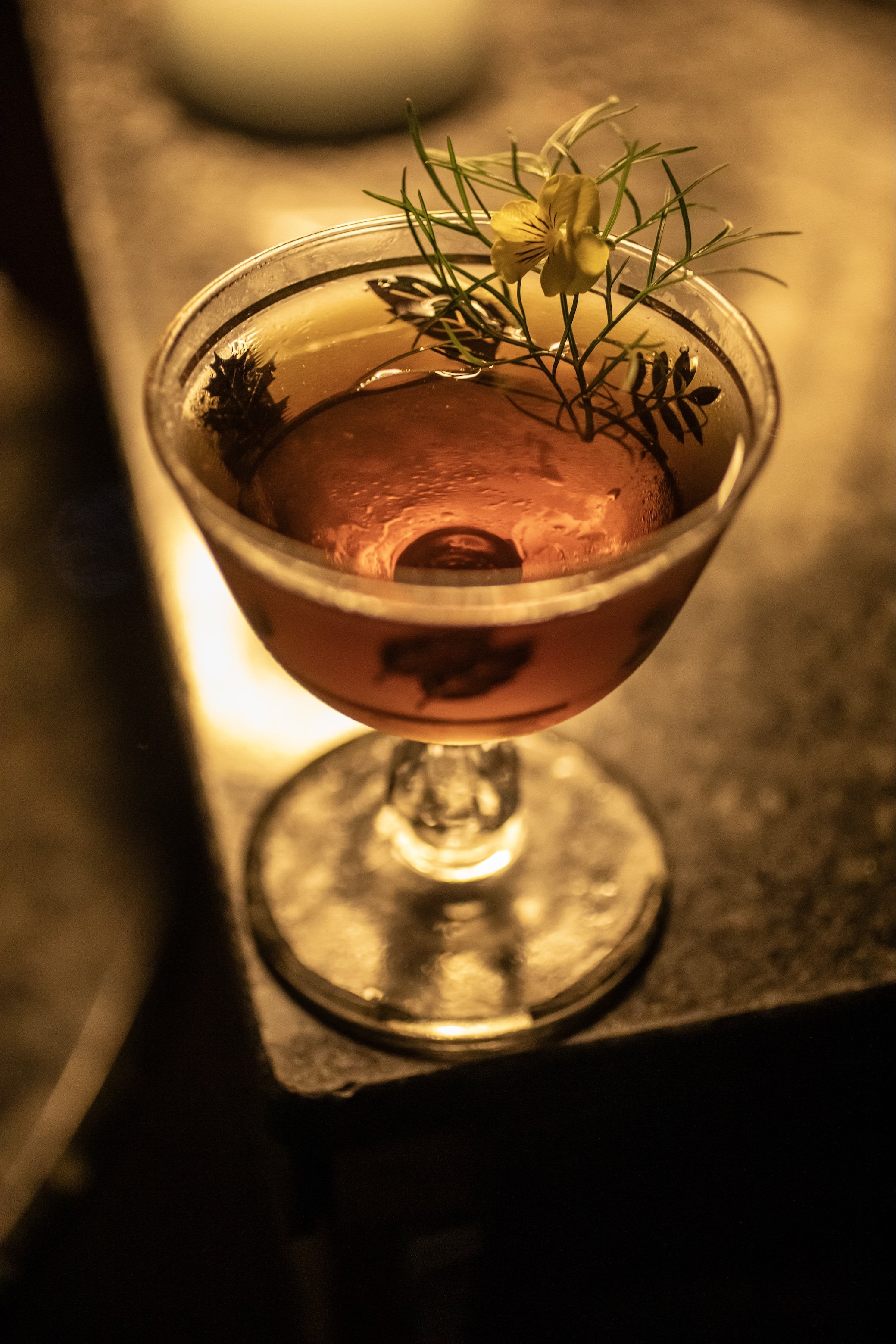
This is Bea, the ‘angel’ in our holiday ‘angels and bears’ cocktail made from crabapples we harvested with Misha, our extraordinary farm manager and her daughter, Ara. Bea and Ara, ethereal creatures, are not that much smaller than our extremely old crabapple trees, the ones by the road which have somehow managed to escape the woozy ire of the ‘bears.’ My guess is our ursine neighbors are put off by the smell of tannin in the apple skins, which also happens to be why they are such a great apple to macerate, in this case, in Armagnac and aromatics.

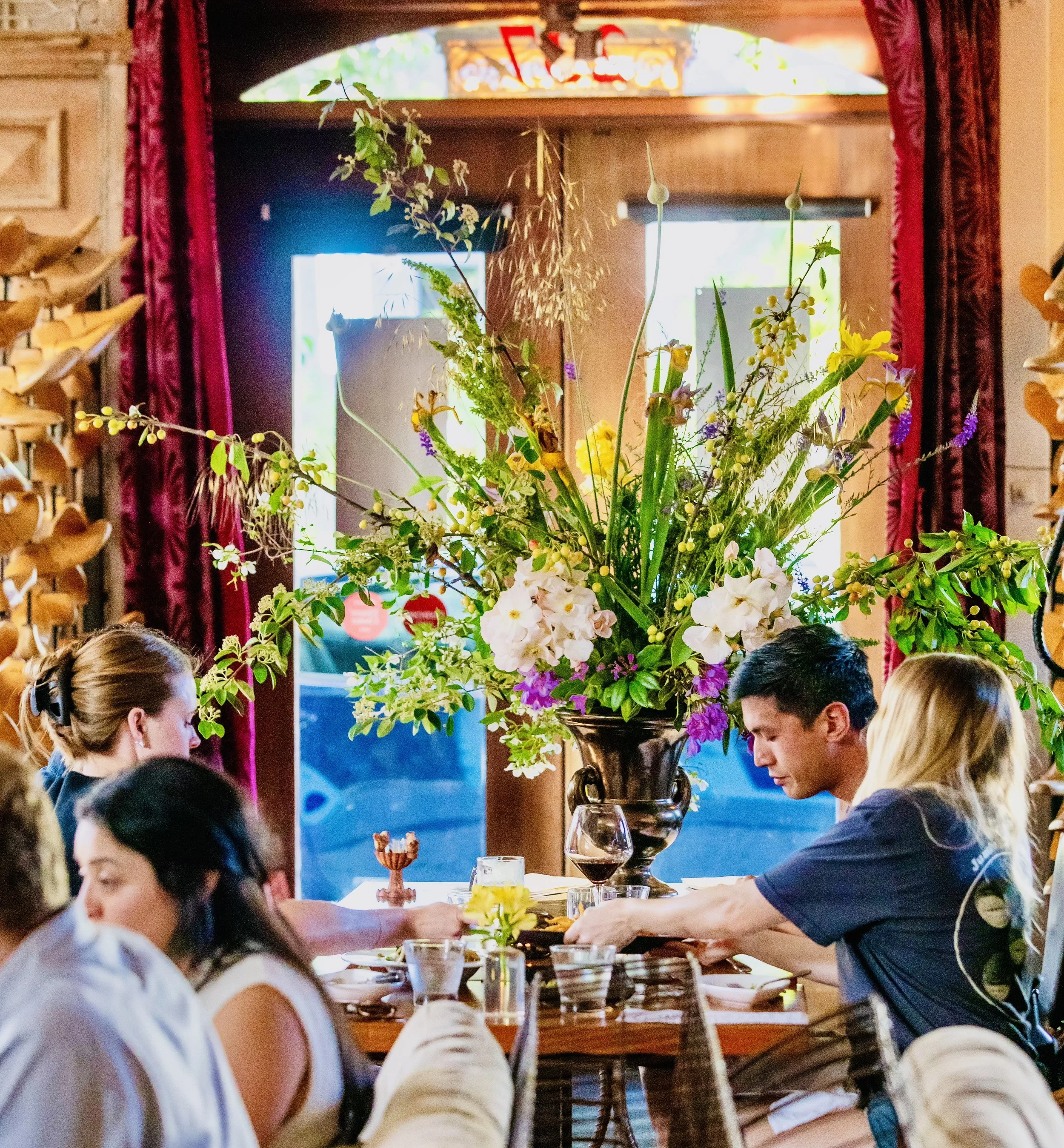
I love end of year best lists, the books the movies, the art shows, but when it comes to dishes - especially those we served - it’s not so easy to choose as each season has its standouts. This is our second year serving dinner in Studio Barndiva where we have room for dining couches and cocktail high tops, better sound, a big wall on which to play Isabel’s silent film compilations, and the feedback from returning guests and new customers has been, thankfully, incredible. When the mood of a space is just right, the drinks and dishes arrive as a blessing, which is how all food should be received.

Long before we learned to make an art out of cooking & dining we gathered in tribes to celebrate harvest and the seasons, and I am of the belief that the time we spend dining at brick and mortar restaurants - the experience itself whether perfect or flawed - is at the heart of the definition of what it means to share the experience of being human. Of course we can and should participate in fostering the health of our community in many ways: going to the theatre, galleries, music venues, but something quite unique happens when you lift a glass in a comfortable room or garden surrounded by other fellow humans. You replenish, physically and emotionally. If the experience is authentic, if there is care in the sourcing, labor that honors the food chain, you also pay it forward, you contribute. And you don’t have to know a soul sitting in the room around you to share a social covenant which is irreducible.

I had a friend who grew up in Oklahoma, and I have never forgotten his description of how his family knew a tornado was coming. It wasn’t the growing darkness on the horizon, which seemed to move closer by the minute, certainly not once the furniture started flying. “It was something in the air, not quite a scent, but you could definitely smell it: a chilly premonition it was time to prepare.”

It would be disingenuous to say that for those of us practicing hospitality in wine country right now - Napa, Sonoma, Mendocino- at the end of a year as precarious as this one, that while the furniture is not flying, premonitions abound. With the wine industry in transition, diners (we are told) drinking less wine and spirits, the general tightening of the family budget and - not least for a town like Healdsburg - a possible blip/shift in tourism - we may be in for an interesting new year. People will always thankfully celebrate the momentous moments of their lives - a good thing as Barndiva moves into our 21st year as a bespoke wedding and special event venue - But it’s always been the restaurant where we find our profound connection to the Healdsburg we’ve been a part of for two decades, its surrounding food and wine sheds all the way up to our farm in the Anderson Valley.

Our last blog post was a photo album of Sparkle Party, which we hosted with Stay Healdsburg to launch the Holiday season in Healdsburg on November 15. Sparkle drew close to 250 people from across the town’s spectrum of locals and visitors, farmers and artists. What was extraordinary about that evening? I’d like to think the Misha Vega’s green mum floral wall, the vinyl playlist, the bites which showcased food grown a few miles away, the many glasses we raised of singular sparkling wines also grown and made only miles from where we gathered. The images tell the story that there was something else at play on the night as well. Just being in the same space together, the conversations we didn’t realize we needed to have, the unbridled laughter. The energy at Sparkle wrapped its arms around a truth we will be holding close this coming year: we are strongest and happiest when we come together. It’s not a euphemism. It is the truth.

We send this blog out with heartfelt thanks to all who patronized Studio Barndiva this past year, especially Barndiva’s local friends and neighbors who returned again and again, as well many visitors to Healdsburg who came looking to see what we’ve got up to in the intervening years. Never a dull moment, that’s for sure. Its all still so beautiful and delicious, we are grateful.

We hope to see you soon.
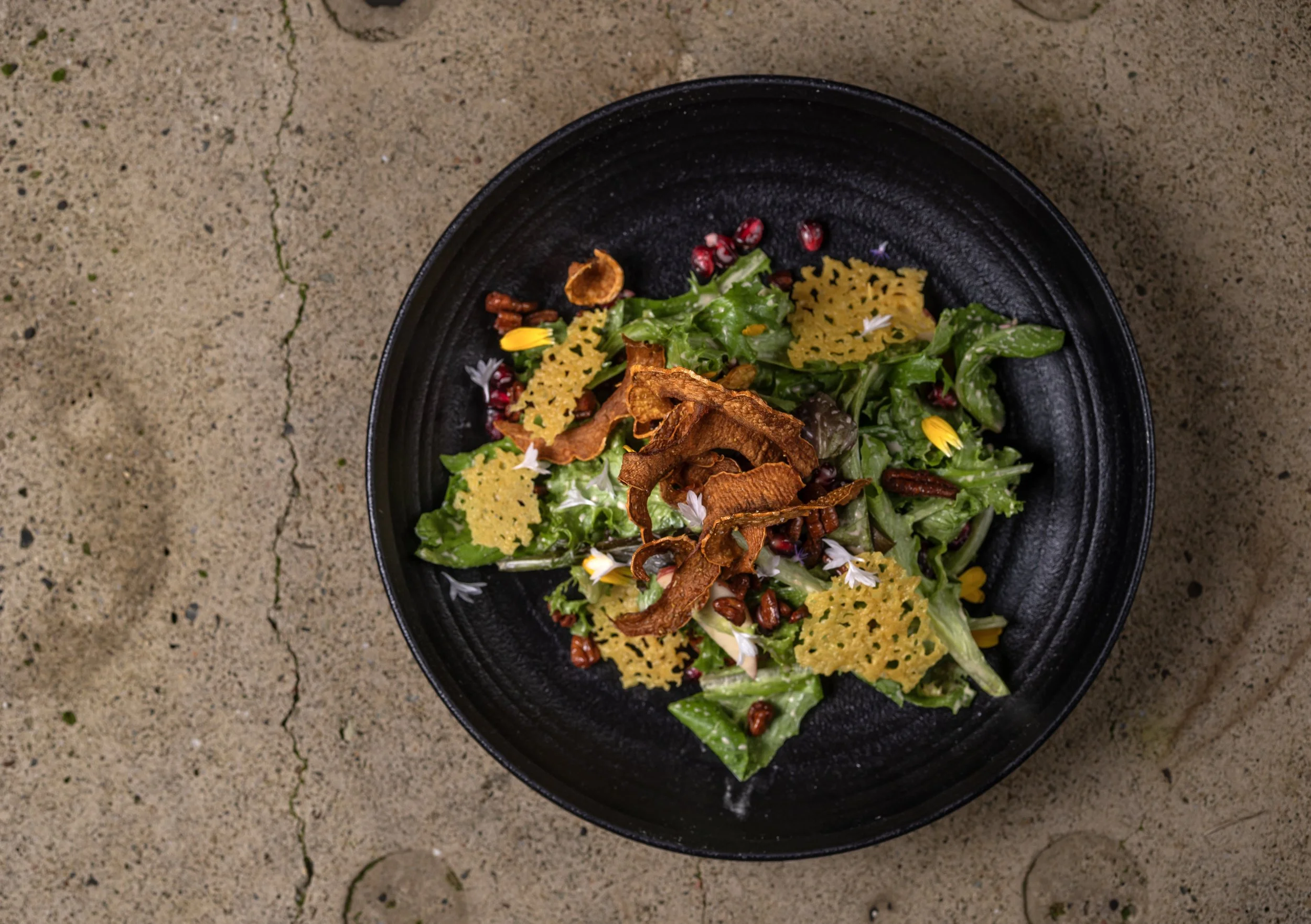
dishes we enjoyed serving the most in 2025

  1. Now on the winter menu, the layered flavors of mixed greens and chicories dressed in a fragrant orange flower dressing, Barndiva farm apples, grana padano crisps, pecans, pomegranate, delicata squash chips.

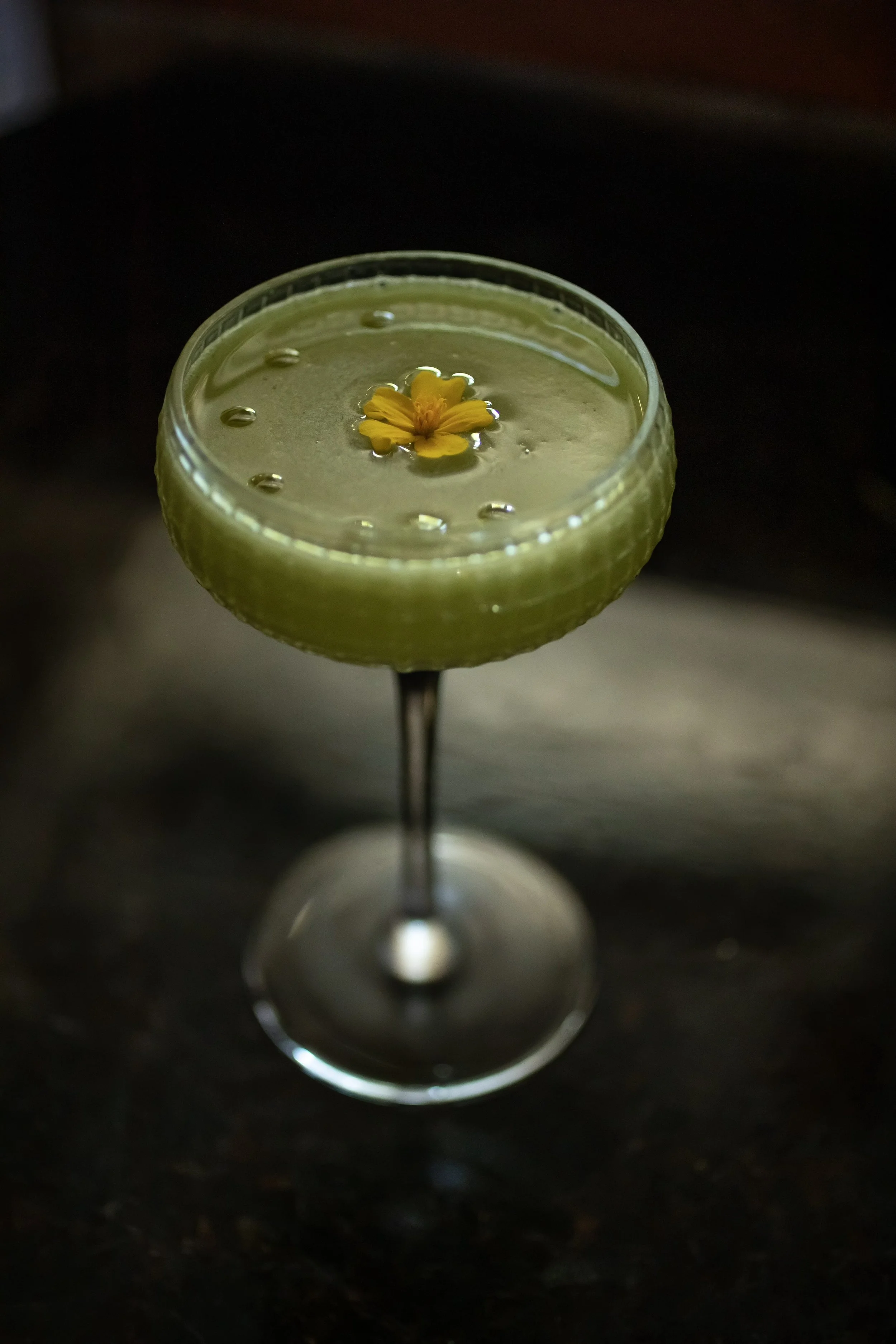
  2. The Basil Gimlet, made with Reyes Farm basil, finished with drops of nasturtium oil, resplendent with the scents of summer.

  3. Erik’s sweet corn soup made a brief appearance at the height of corn season, poured table side, the better to see the Jimmy Nardello pepper and sherry vinegar jam with a hint of Presto VOO. Finished with a flash grilled pouf of corn silk.

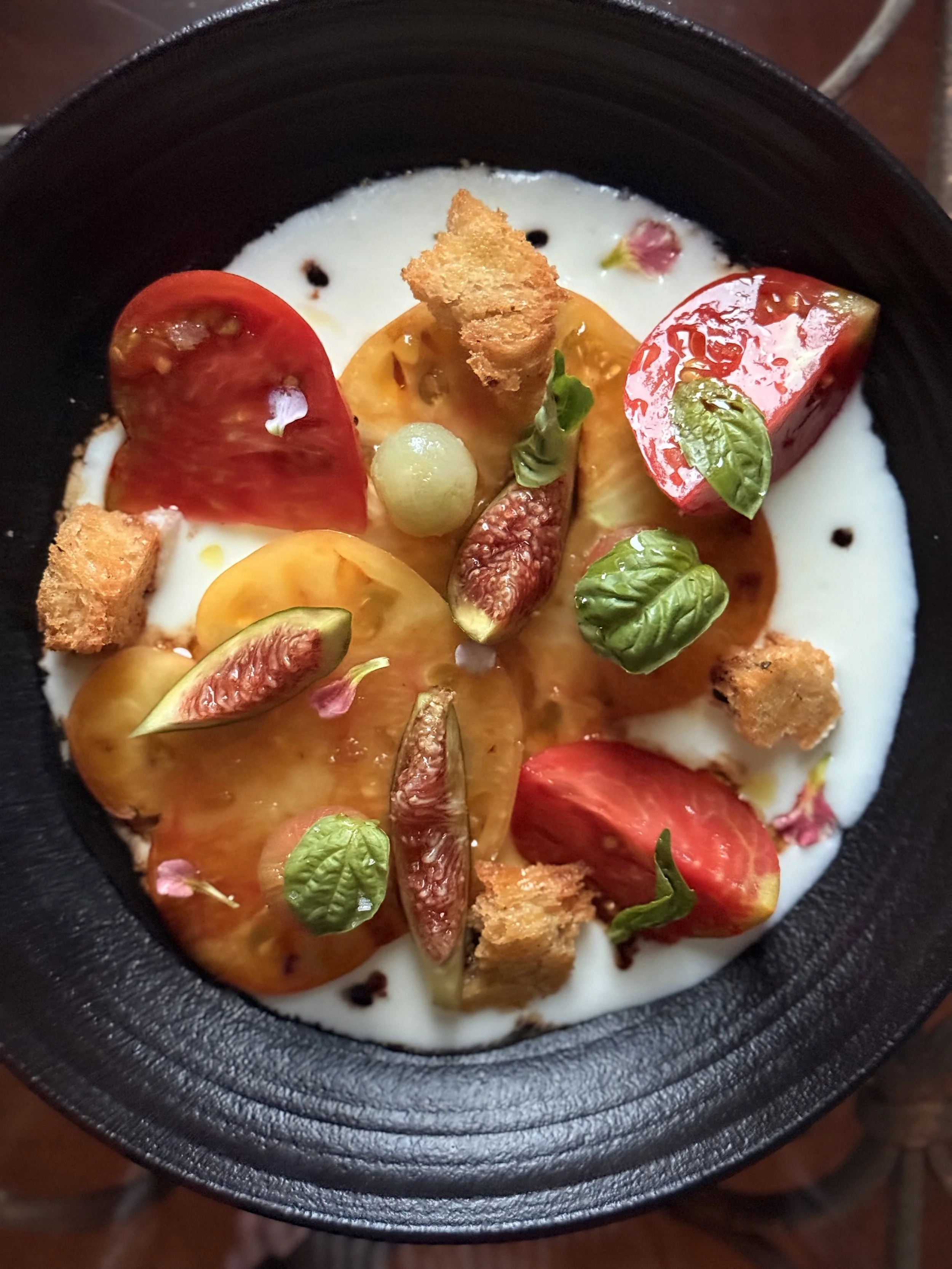
  4. Whipped mozzarella with Barndiva fig vinaigrette beneath Barndiva farm figs, peak tomatoes, peeled and marinated toy box tomatoes sheltering beneath fresh basil. A moment in time - figs at their ripest, tomatoes at their juiciest.

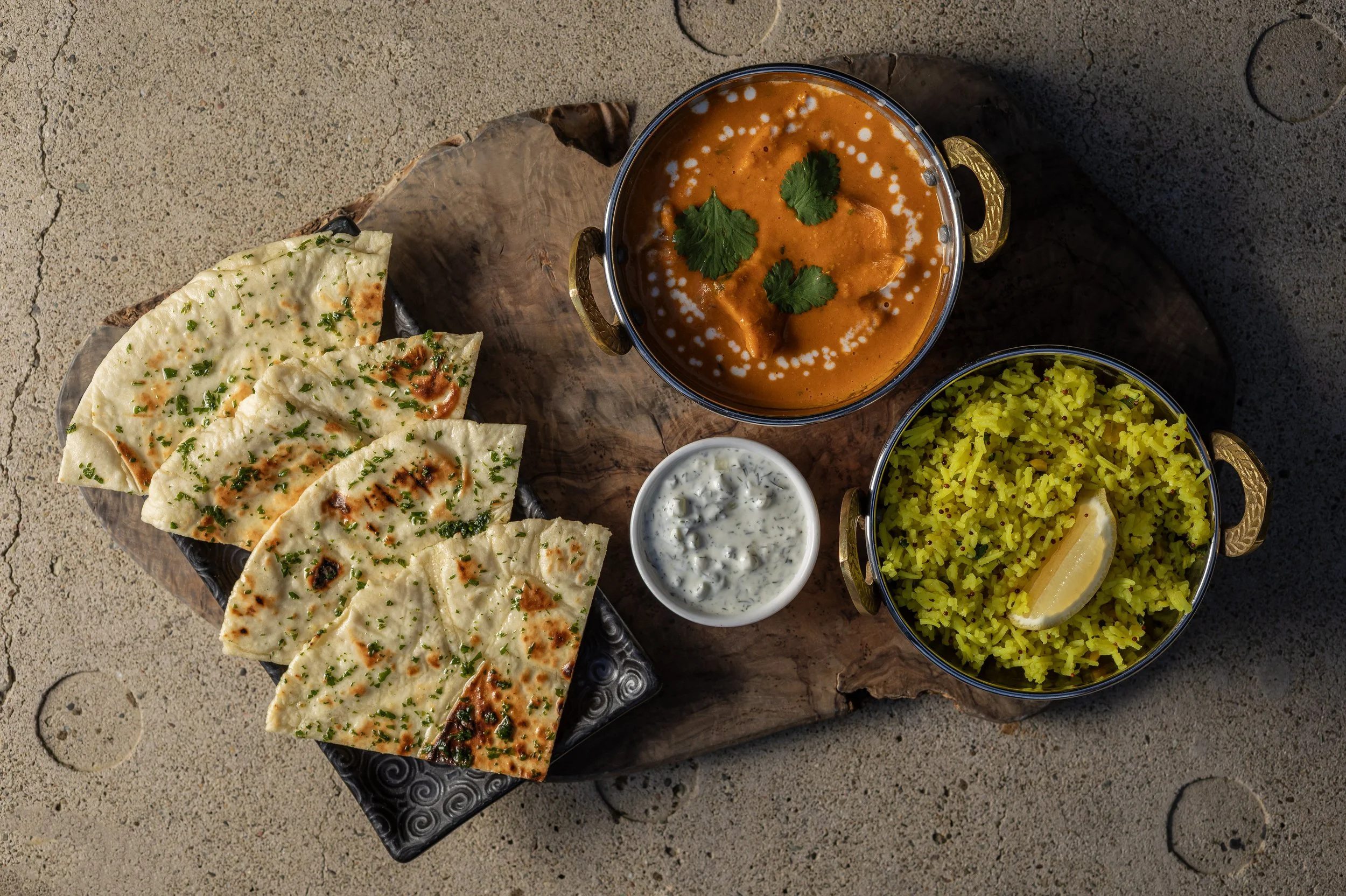
  5. The dish people come back for again and again - our Tikka Masala. Yes, our menu in the Studio is eclectic - these are dishes we most want to eat which we are honored to share with you.

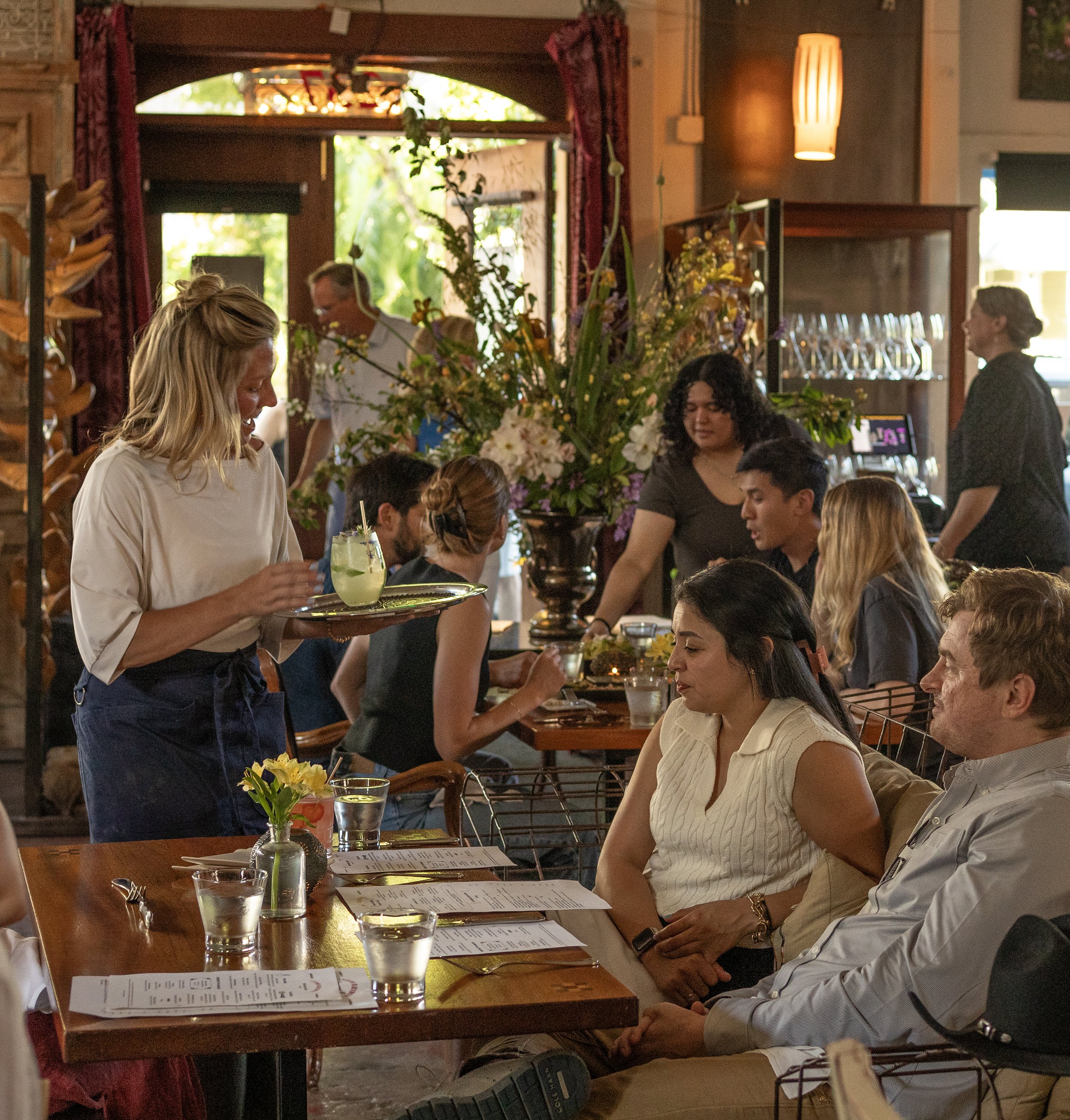
  6. Three dynamic FOH Diva’s in action : Liz, Lisette, Lynn.

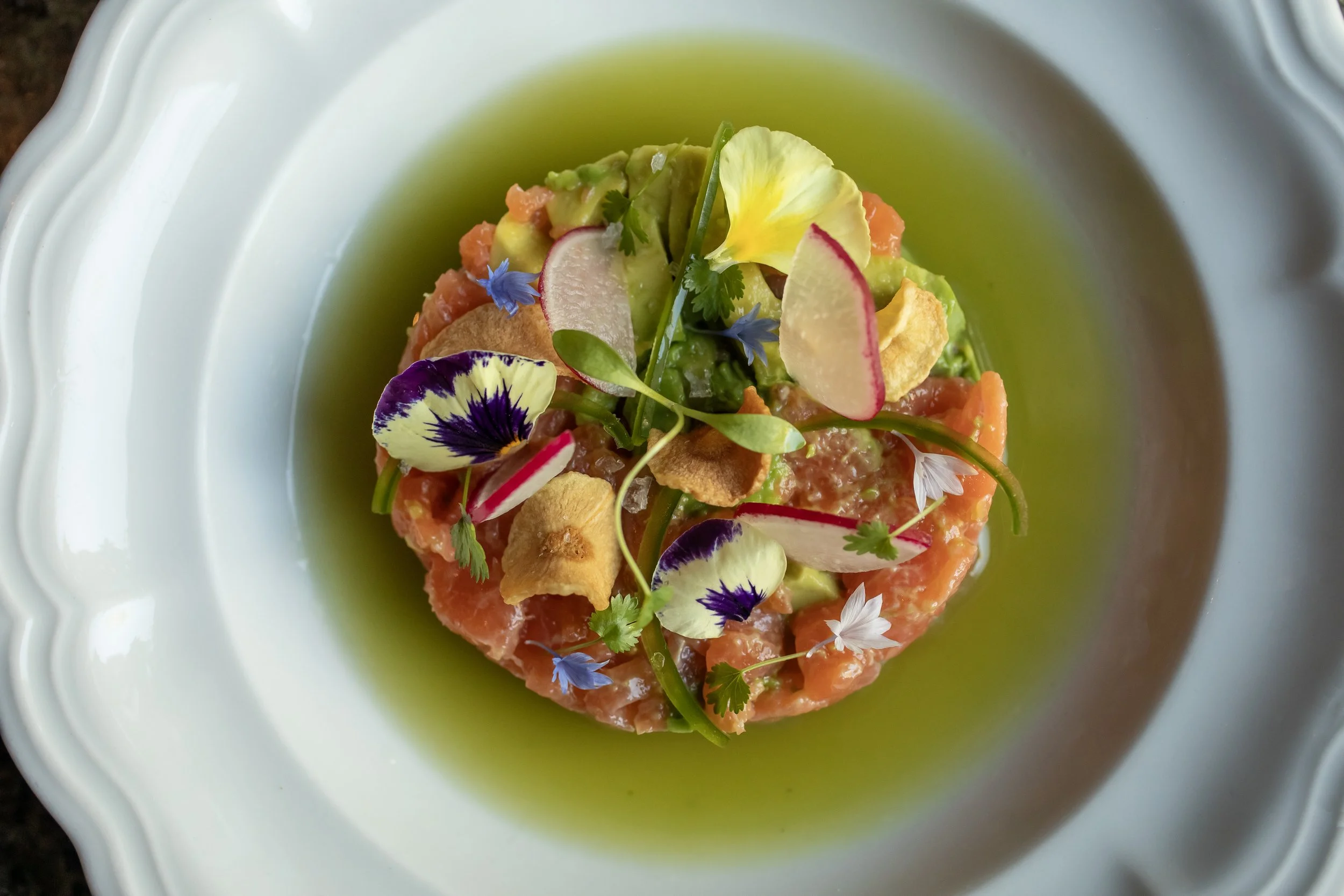
  7. Trout tartare in a pool of green tomato aguachile, with avocado, radish, garden florals. The perfect, and sexiest start to a meal here. (There, I've said it)

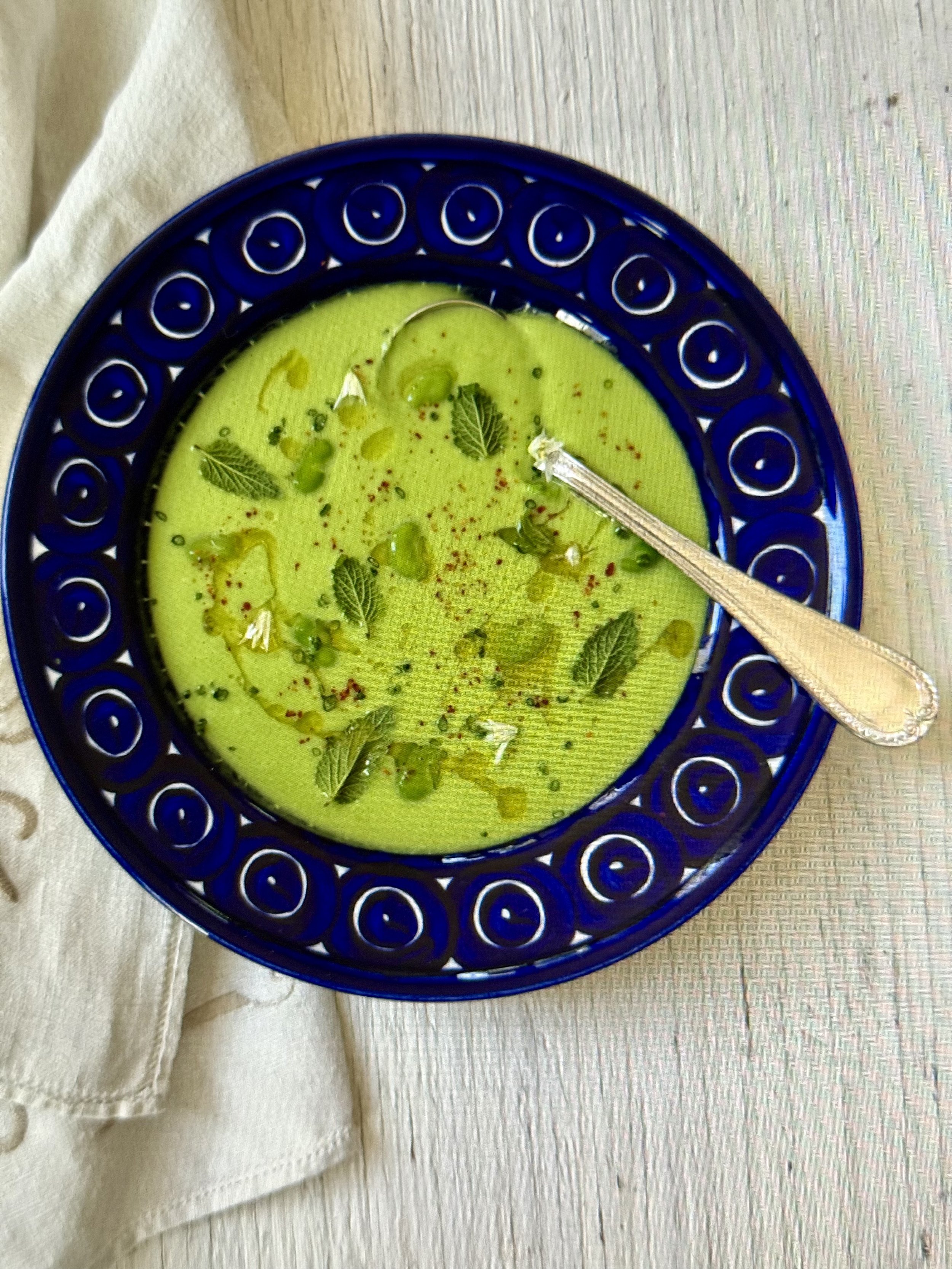
  8. Erik’s Fava bean and fresh mint pea soup with Boonville’s piment d’ville pepper flakes as photographed by Liza Gershman for her upcoming Healdsburg Farmers Market cookbook - for publication early 2026. It will no doubt be for sale at the Farmers Market in the spanking new Foley Family Community Pavilion on North Street.

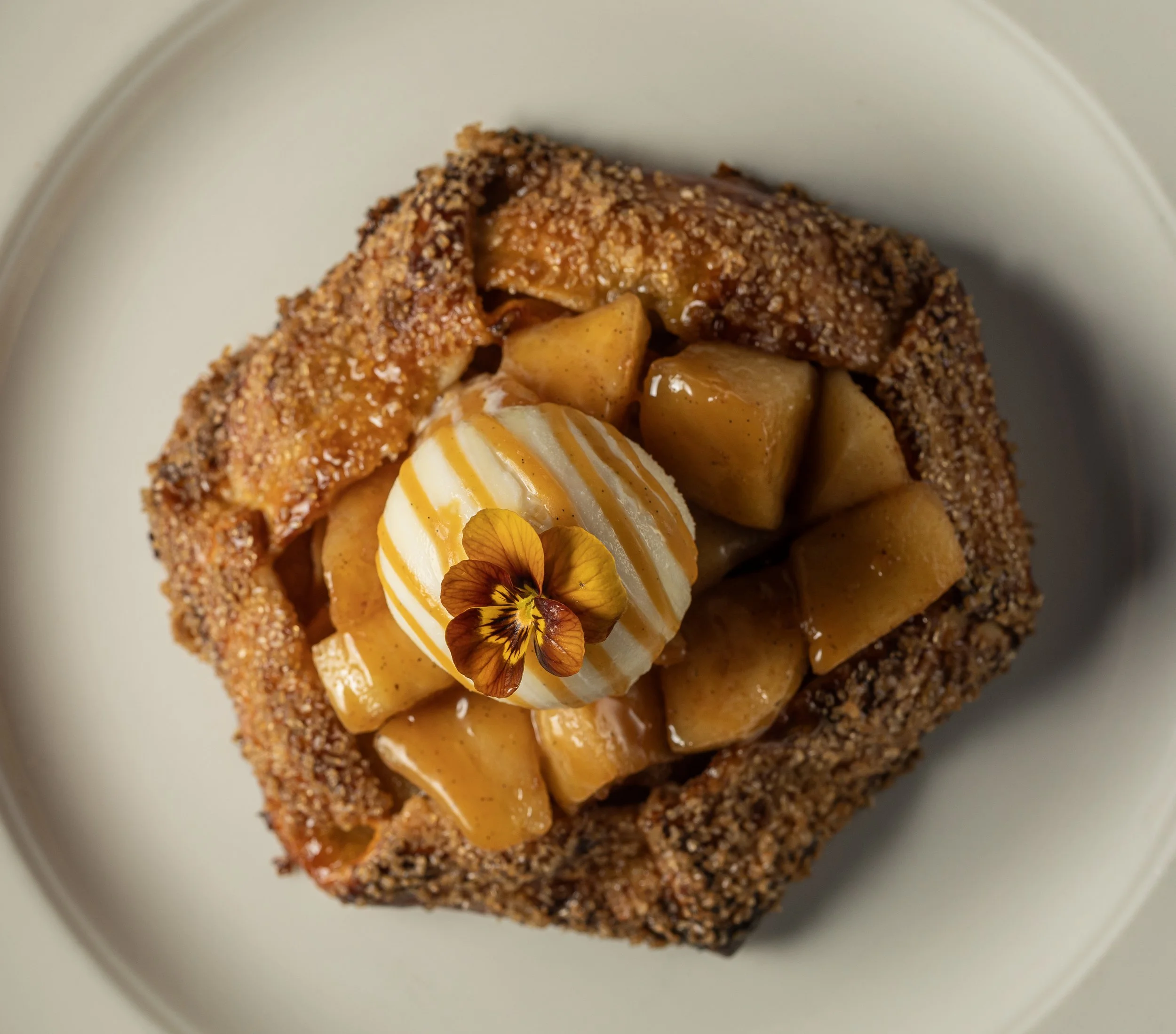
  9. Simon’s Barndiva Farm Apple galette was the hit dessert this year. Initially made with our heirloom Gravensteins, it went through the apple harvest with different varietals, served with his Tahitian vanilla ice cream. Now offered with Persimmons, in the run up to Christmas it will return with apples we harvested just last week.

  10. Lift, Flirt & Slide lower alcohol apéritifs will make a return in 2025, as will Isabel Hales to lead our cocktail program with Danny Martin. We can’t wait!

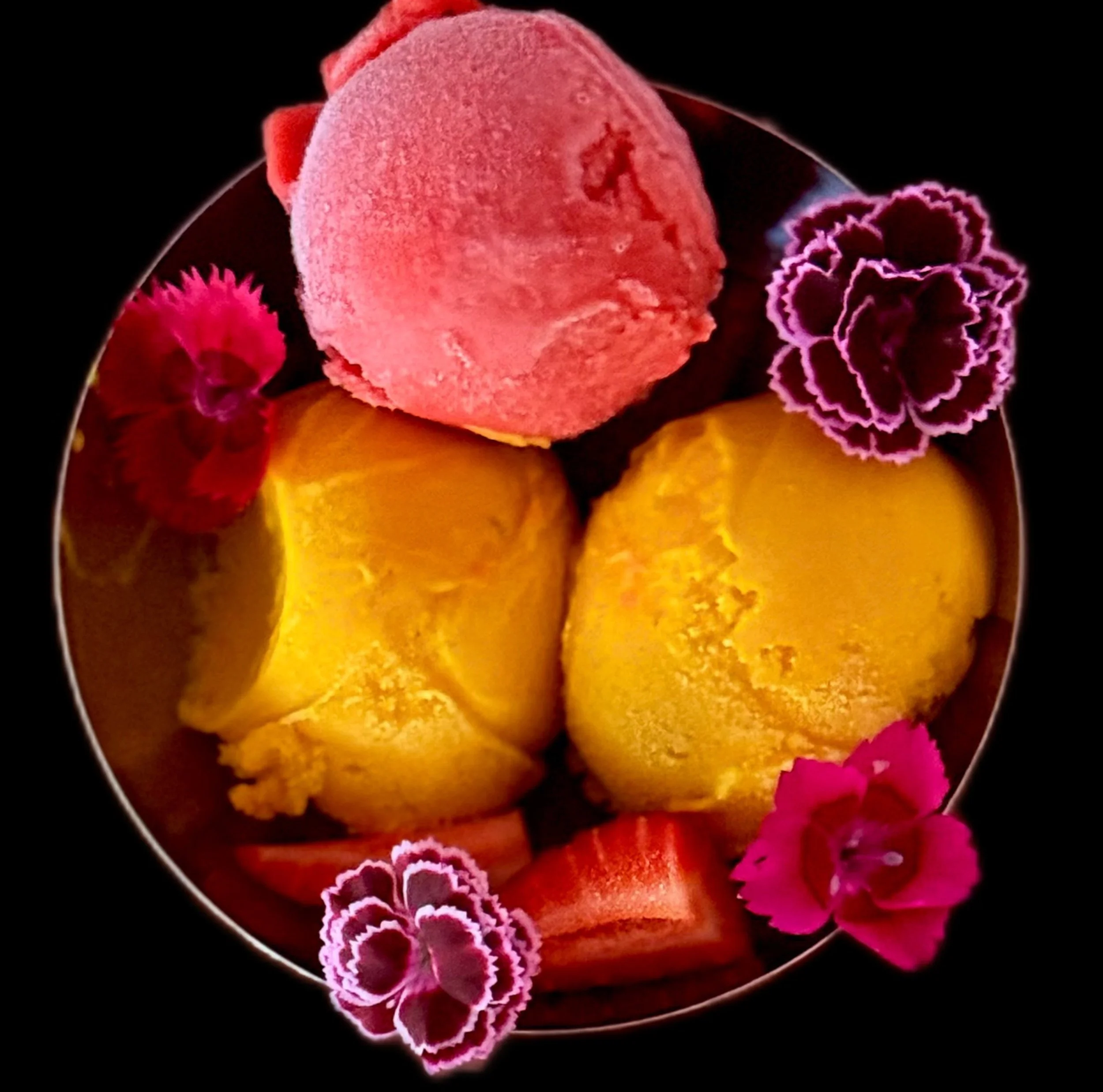
  11. The Studio Barndiva Ice Cream Social changed weekly showcasing Simon’s insane IC and sorbet flavors. Mango, Strawberry and Orange pictured.

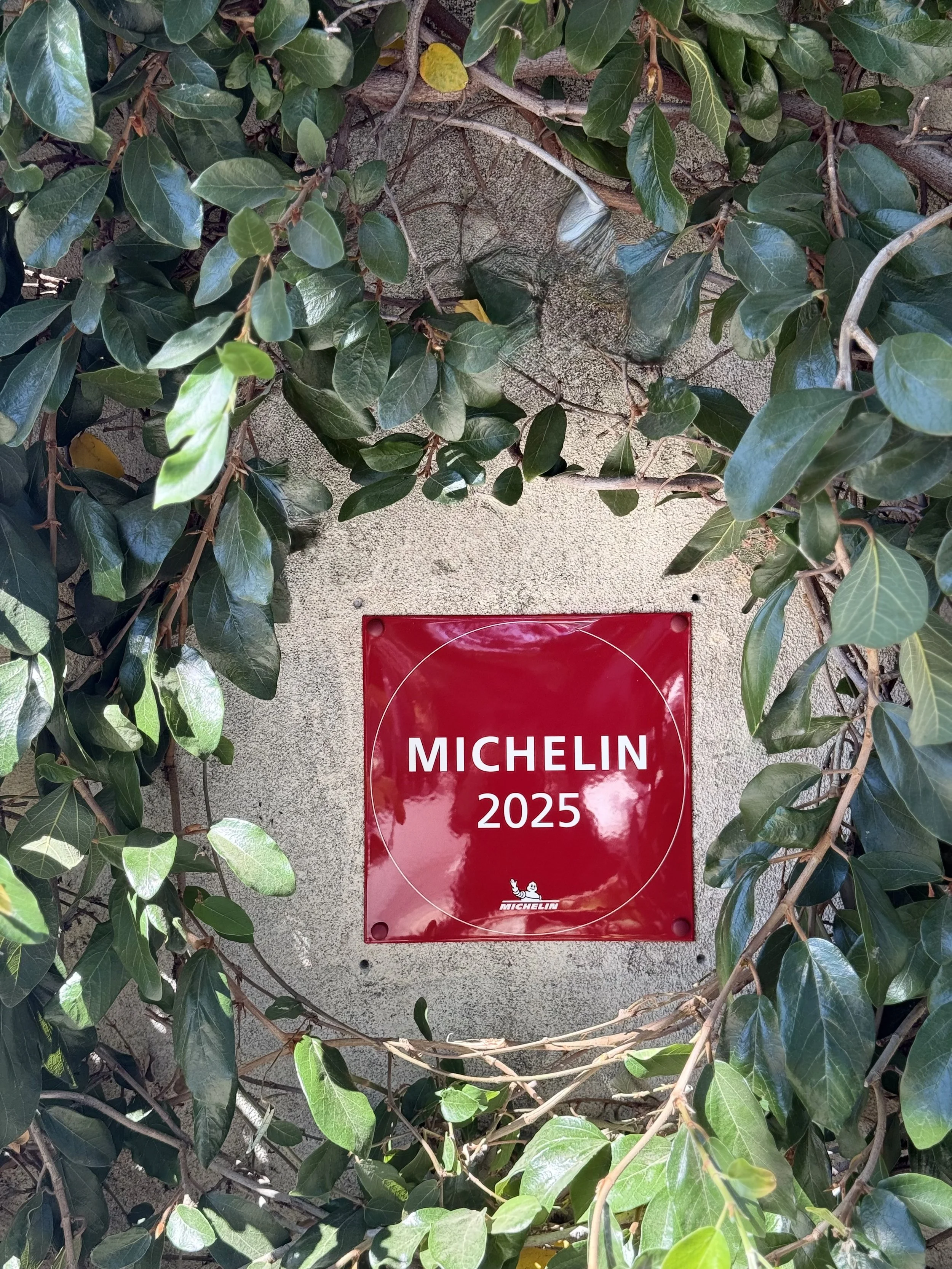
  12. We were honored to once again receive recognition for Studio Barndiva from Michelin in 2025 - a show of their continued support as we have navigated the food, wine, and cocktail world, ‘eating and drinking the view.’ Michelin’s understanding that passion and care in the kitchen and on the floor extends to sourcing and sustainability - the foundation of truly ‘fine’ dining - is a lodestar.

Photos Chad Surmick; Jil Hales
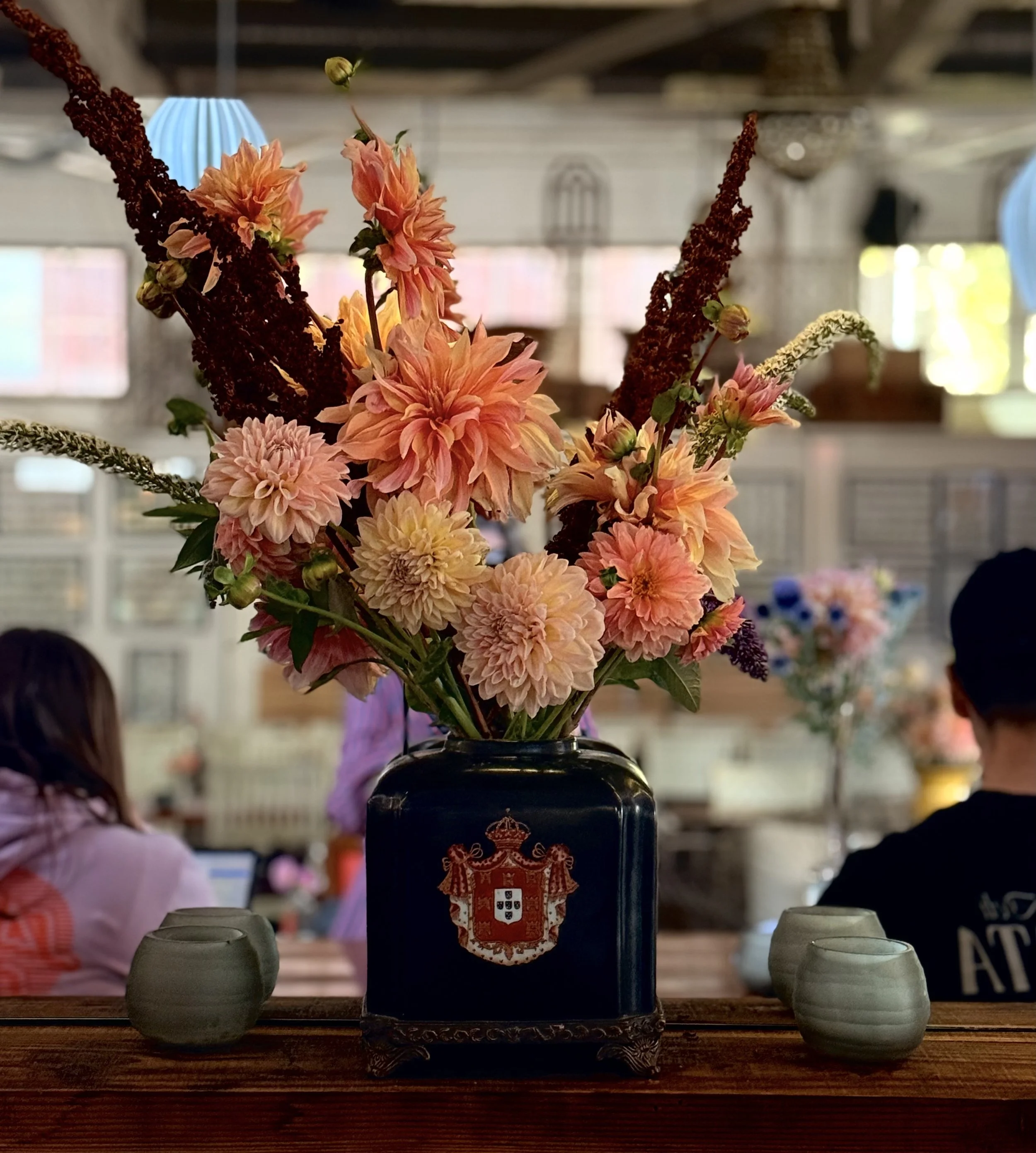
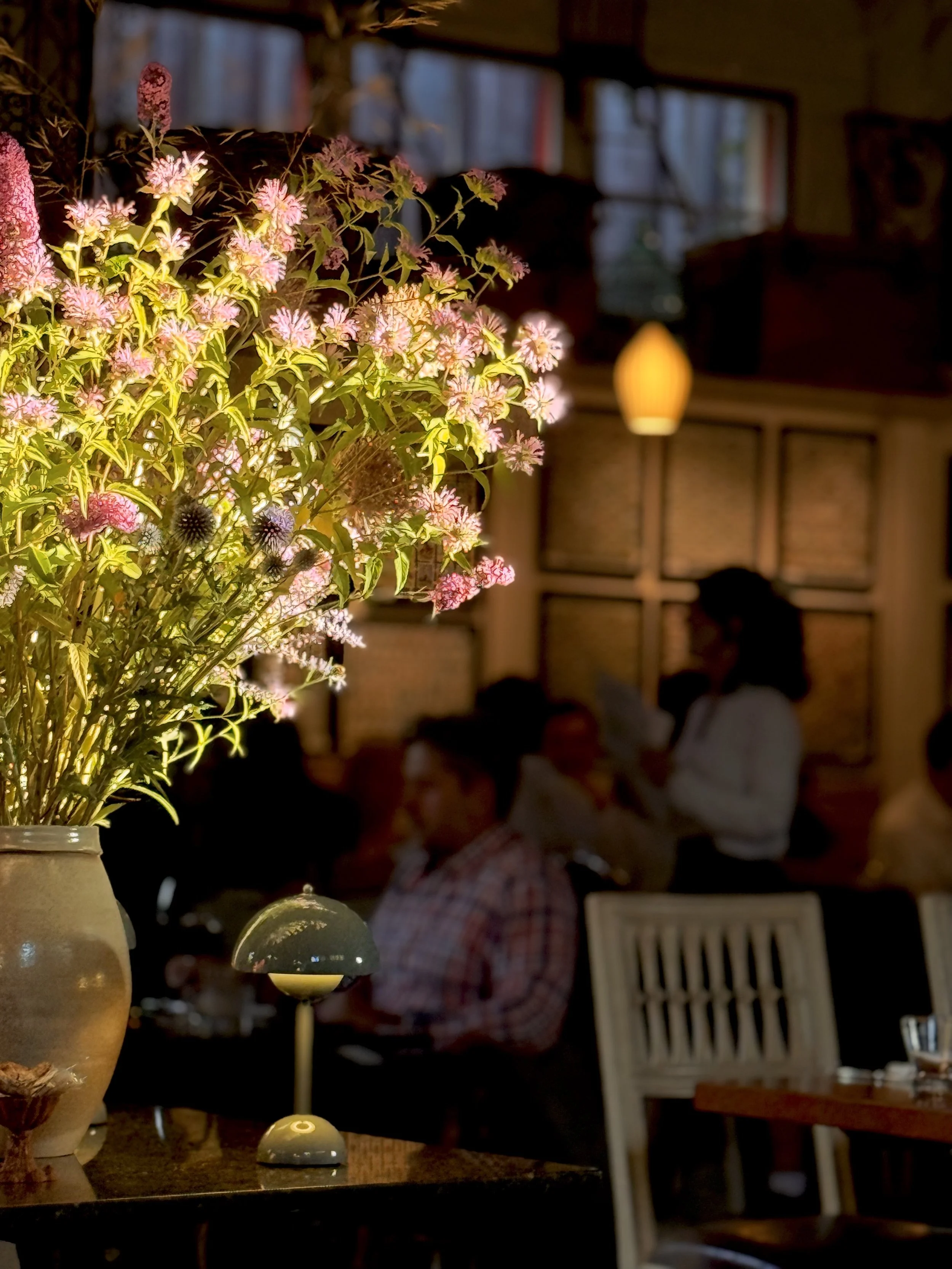
Barndiva Farm’s floral program is overseen by Misha Vega, @philo.flora, weekly arrangements by Jil Hales. It is guided, from the Costwolds, by Daniel Carlson, @Daniel.james.co.

Comment

racing the bears

Comment

racing the bears

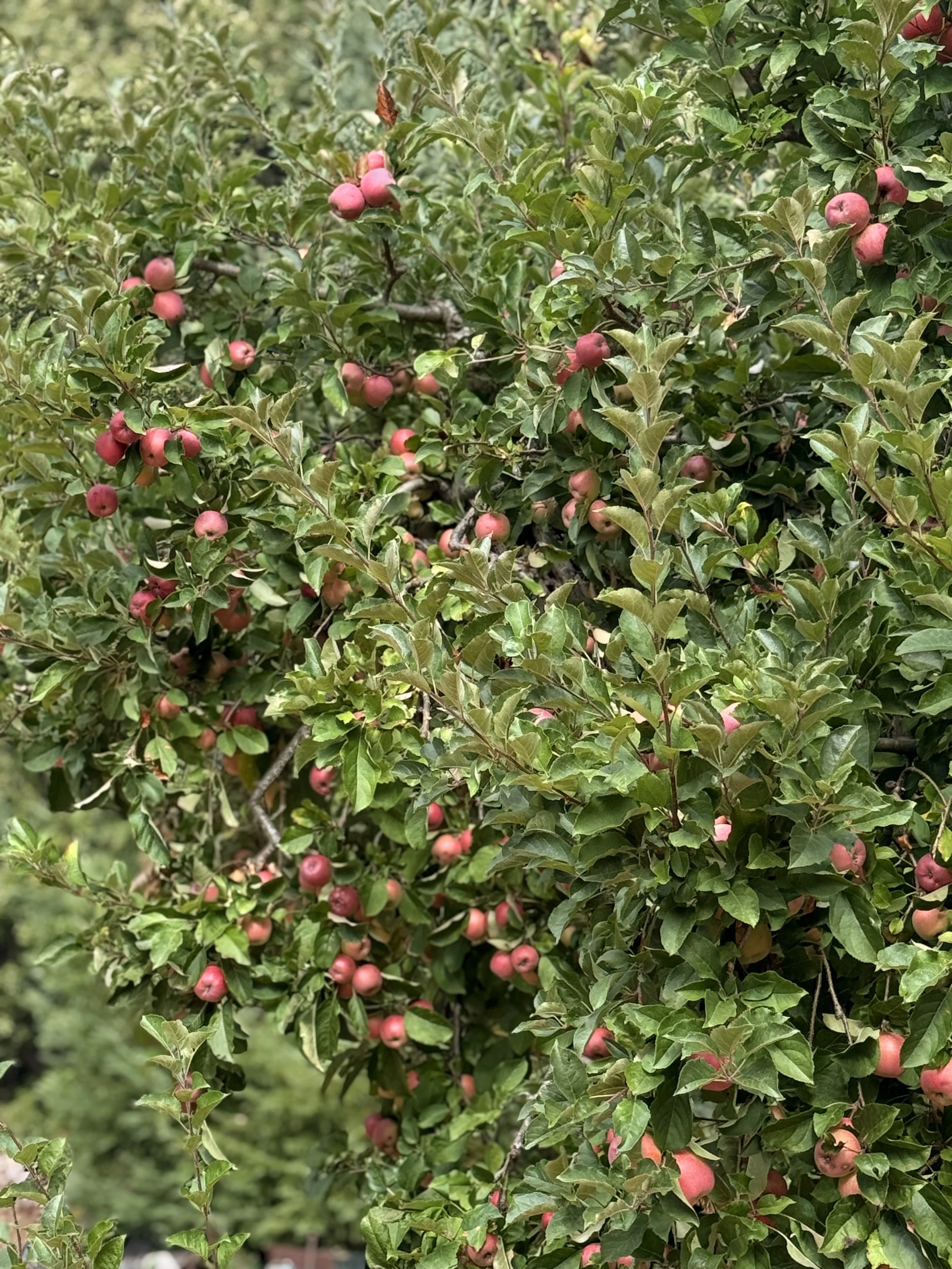
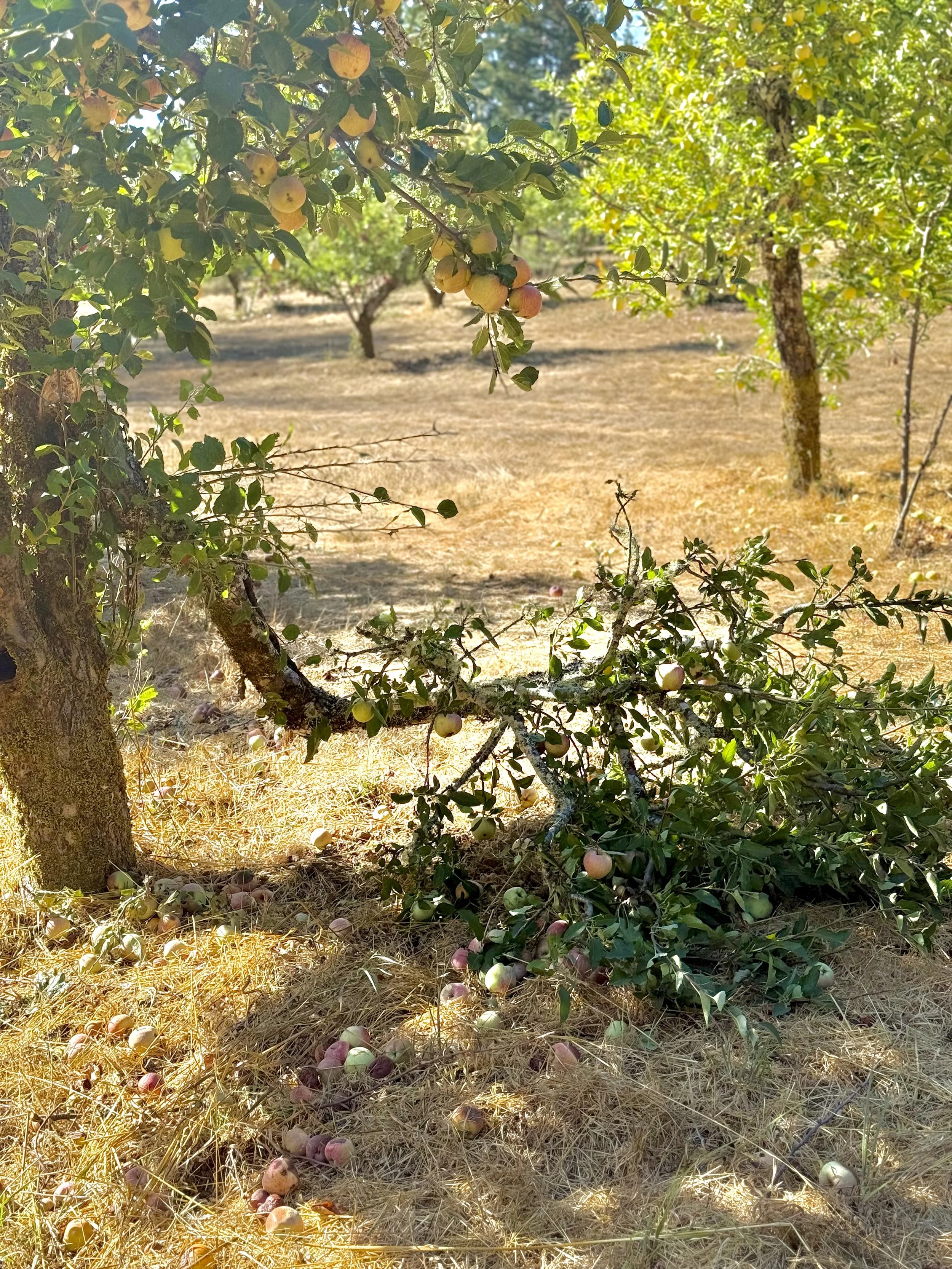
It’s that time of year when it’s a race to get all our ripening fruit off the trees before our ursine ‘neighbors’ pull down the perimeter fencing like lowering a window shade and have at it. We have no complaint. Sharing fruit with the bears, the birds, all the smaller furry four legged animals that still thankfully roam the forests surrounding the farm is an act of kinship. Your care for the land can also be the land caring for you. It would be nice if they only ate what was on the plate (ground) instead of pulling whole branches down from our very very old trees, but you know, bears? Not gonna happen.

Family lore has it that once enough apples fall and begin to ‘marinate’ in their own luxurious juices, the bears become intoxicated from the heady fumes and begin to cast about like drunken sailors. Do all nighters in the orchards, dancing to a mysterious playlist. One of our most infamous cocktails ‘why bears do it,’ speaks to this love affair with the apple. This is a Heads-up time in the orchards as bears don’t mind their manners, sober or tipsy, and what they eat goes right through them - its wise to watch where you walk.

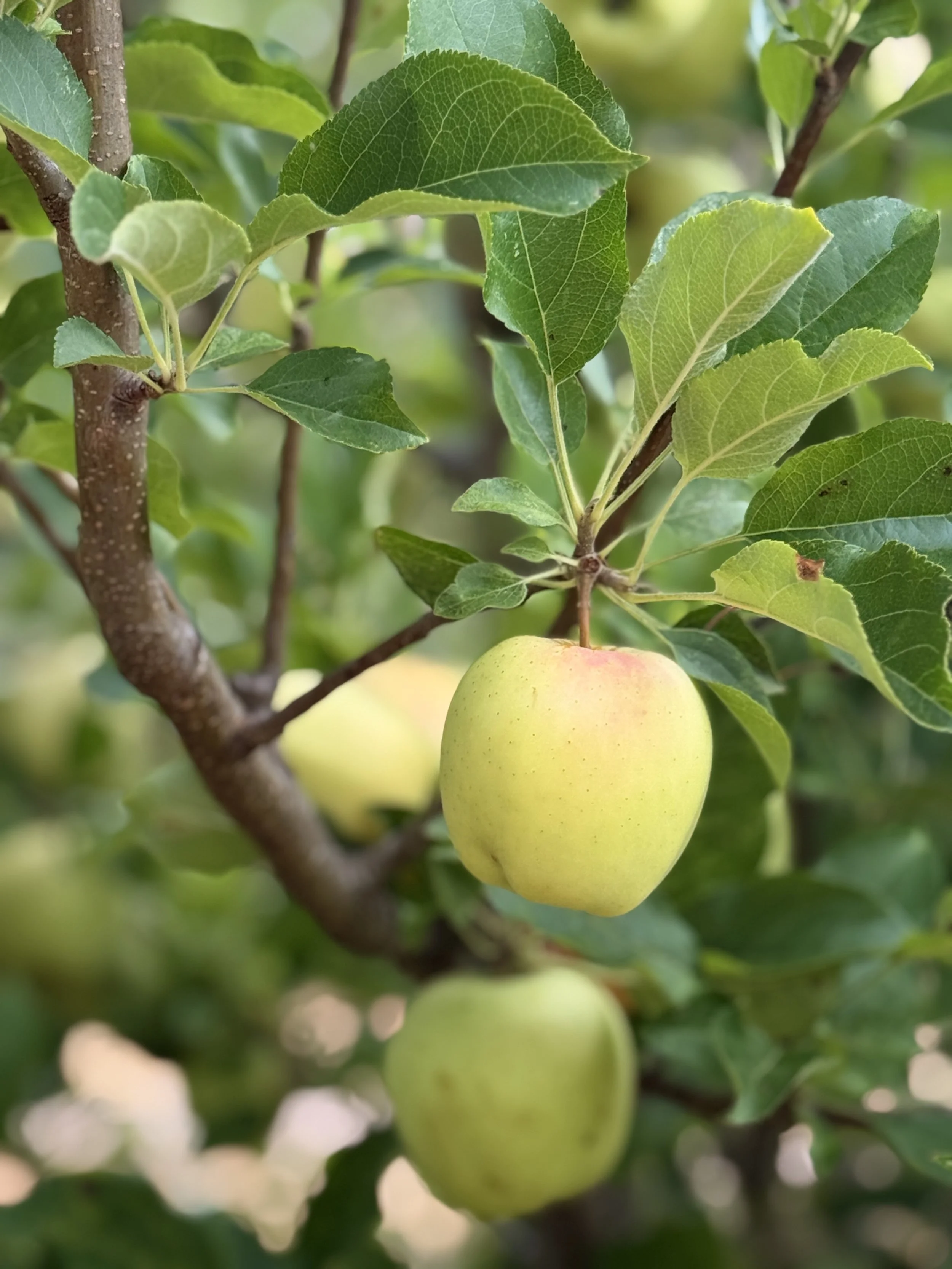
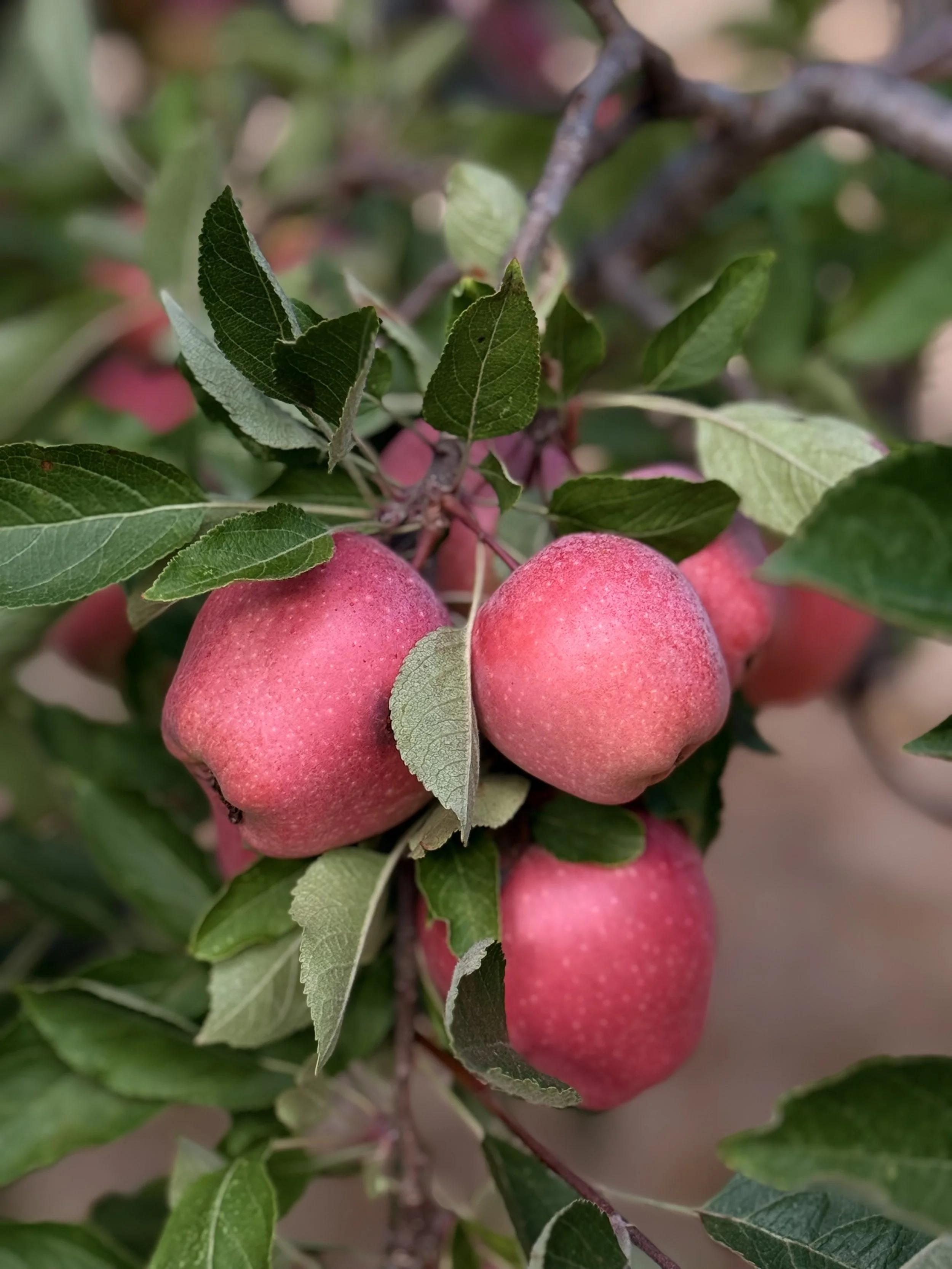
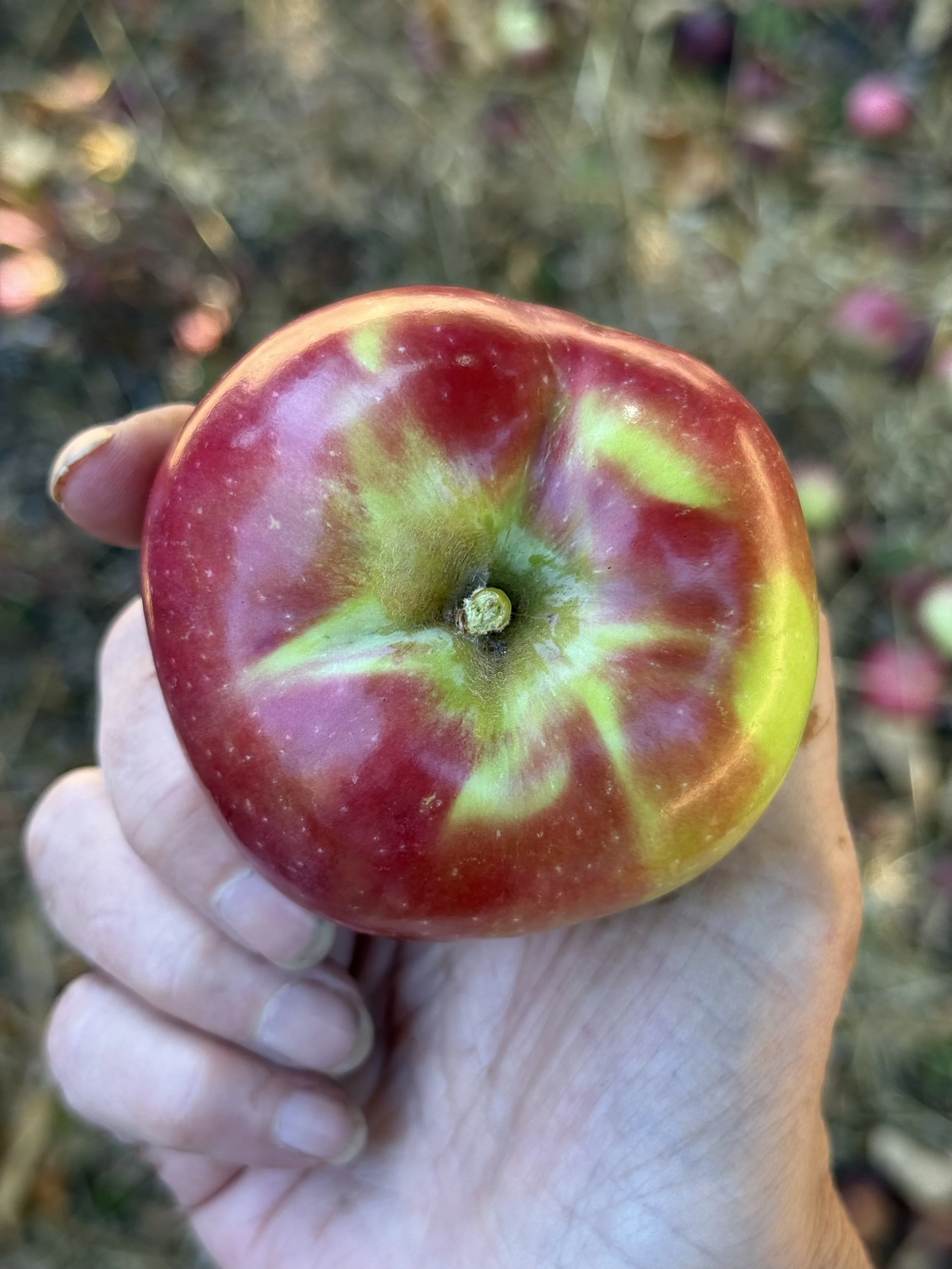
Why Bears Do It and a new cocktail garnished with our Pink Lady and Macintosh will be on the menu this week; Connel Reds in late summer salads; Bartlett pears, in deserts. We plan to keep a basket at the door of different varietals as we pick them so guests can take some home as they leave.

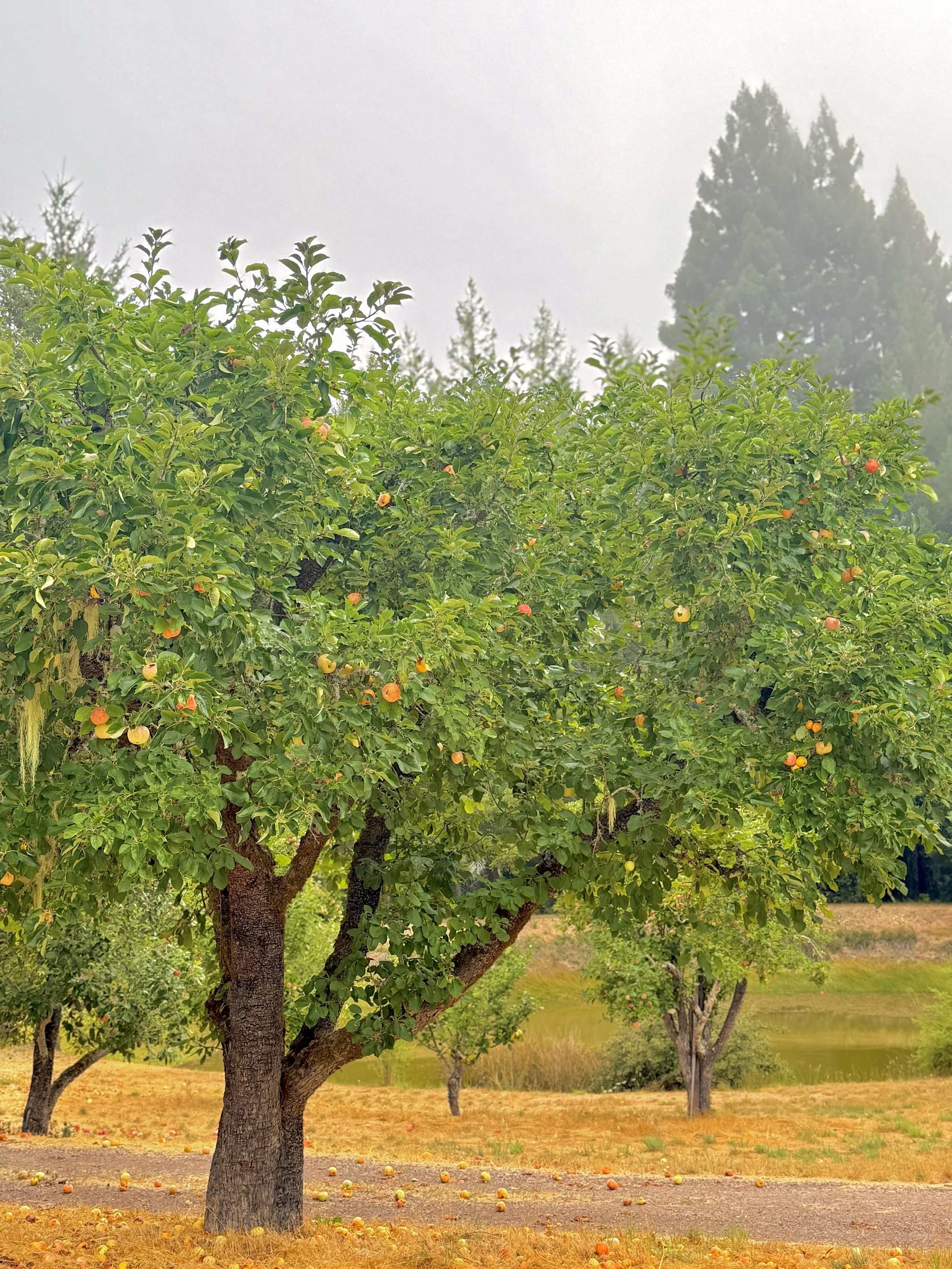
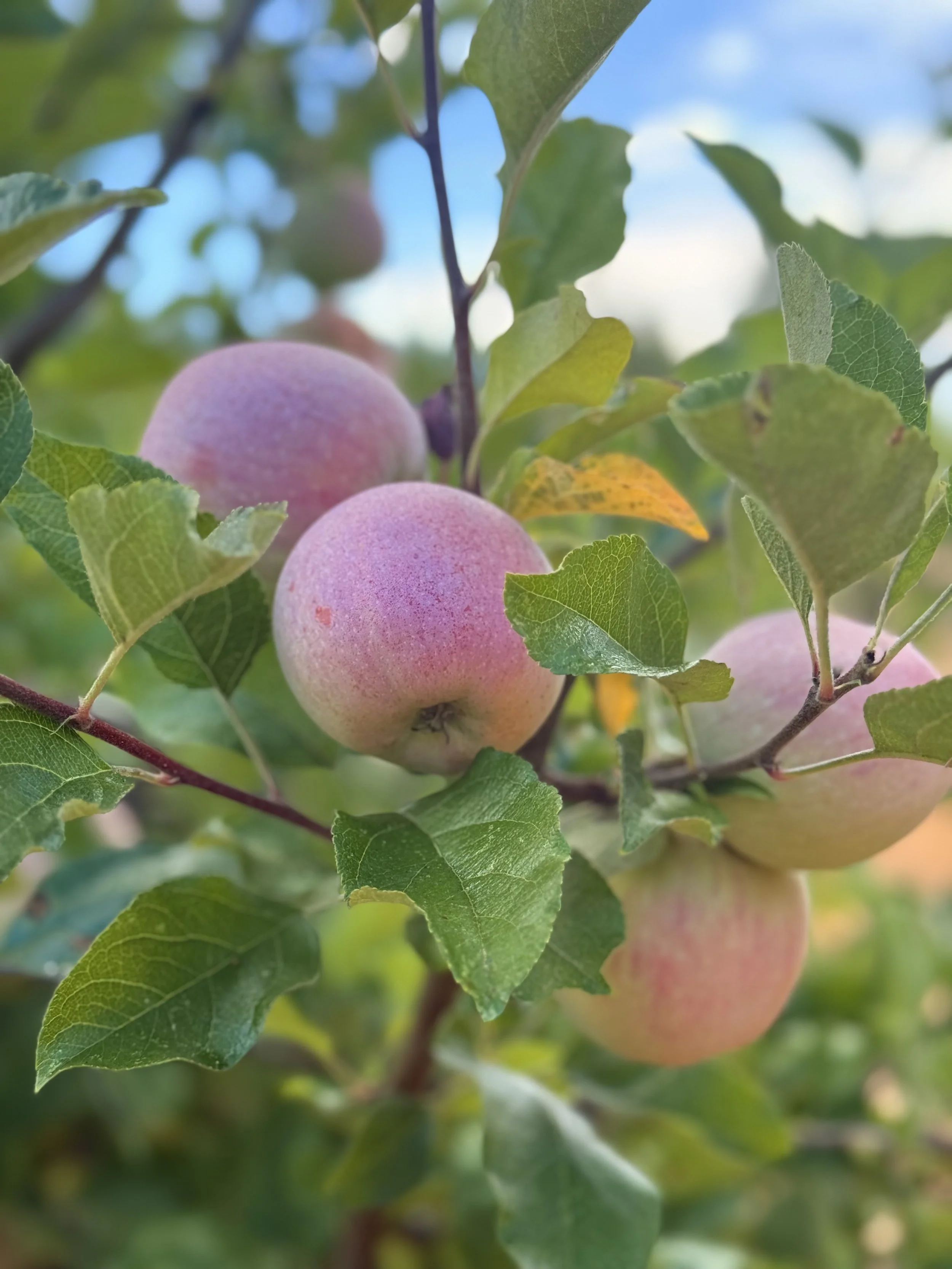
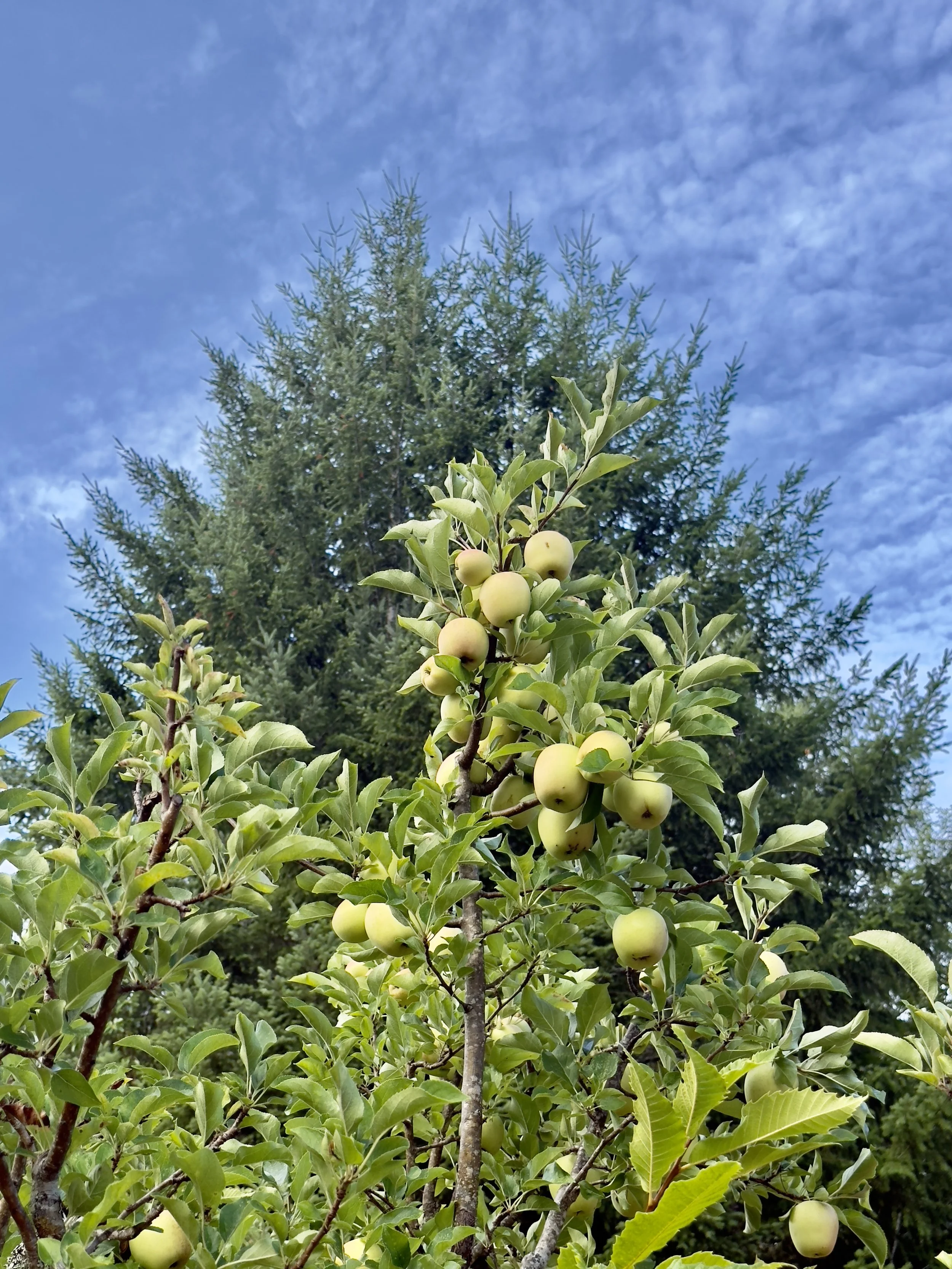
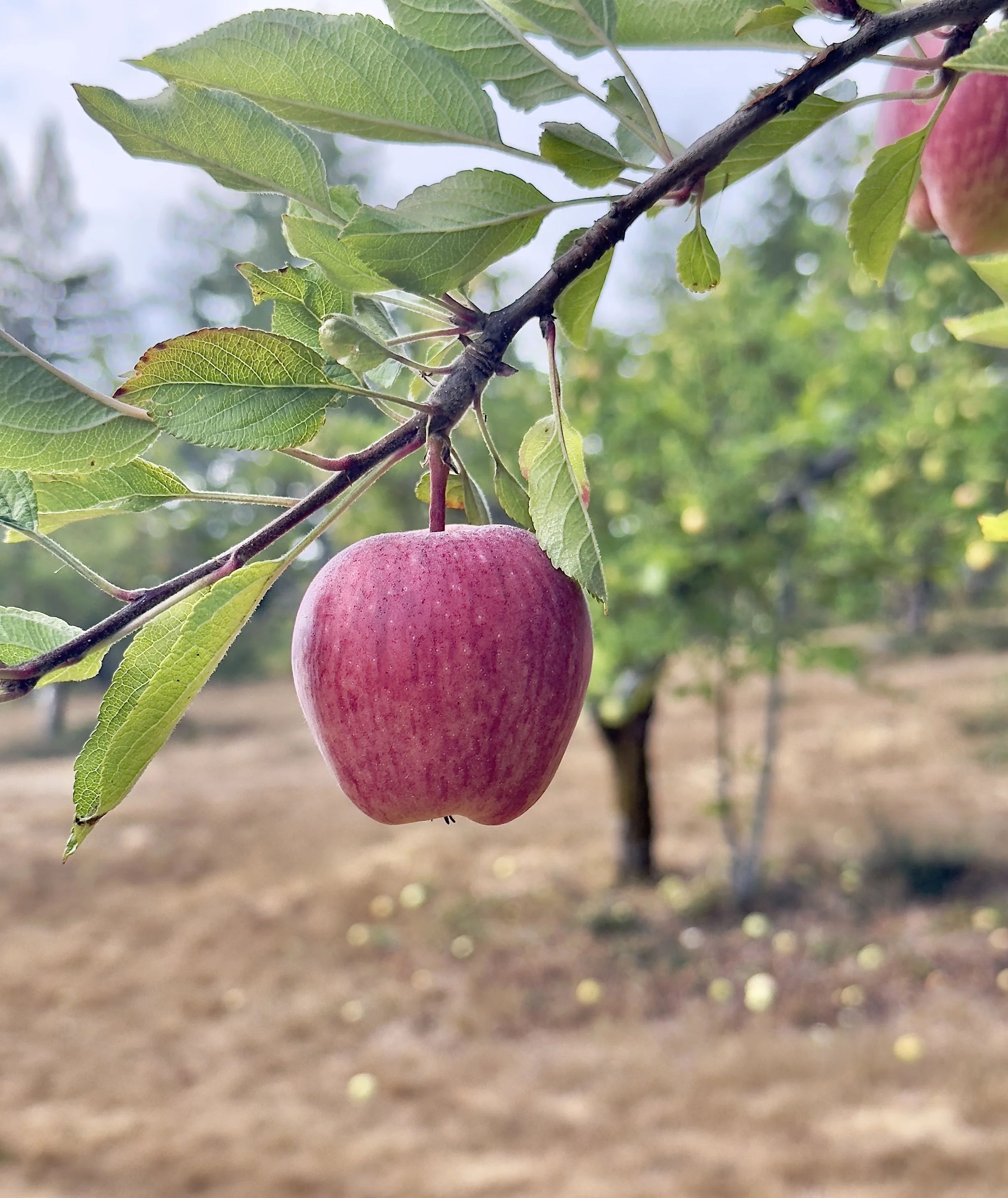
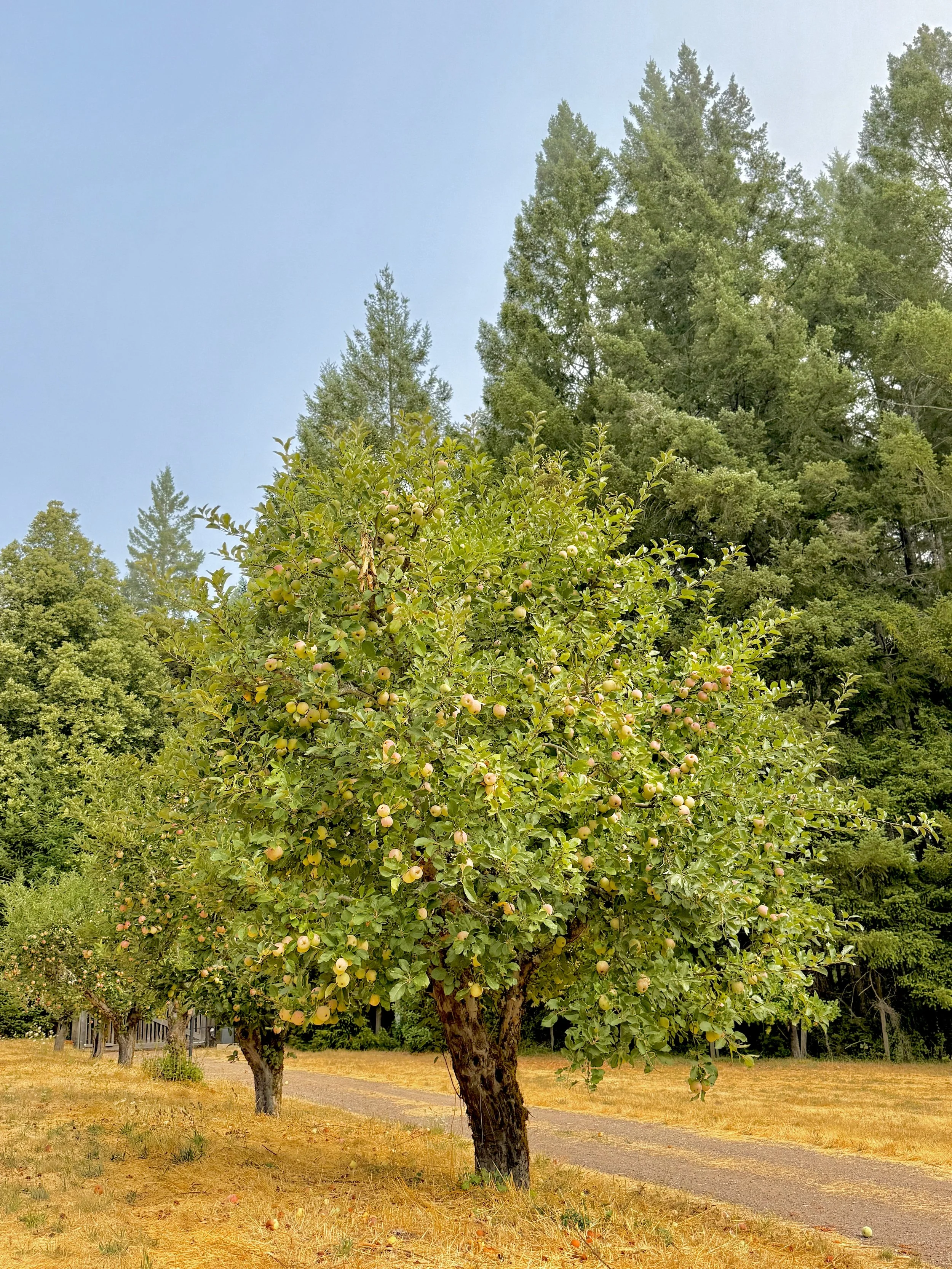
Apple farms are an increasingly rare thing in Northern California - the reasons why, which we’ve written about before - make for a longer and frankly depressing post - suffice to say what we have up here on Greenwood Ridge is a museum of antique flavors that have all but disappeared. But oh, the variety of fruit being grown in old orchards like ours is subtle and astounding. Each tree, depending on its slant on the hillside, has a distinct flavor profile. These varietals all had a place in family recipes once upon a time, and the families who tended these orchards would be jamming and canning all summer, when putting up food for winter was necessary to sustain them. The world of three or four varities you see all year at the super market that has been dulled by months of refrigeration speak to a dumbed down world of apple flavors and textures. It’s a dumbed down world in general. There is no fighting the lost cause of disappearing varieties across the fruit and vegetable world. We knew this decades ago. Yet still we care for the orchards, prune them in spring, thin and prop in summer. If we can get enough hands on deck we will juice at The Philo Apple Farm on ‘community day,’ a break from their non-stop harvest as one of the remaining full production organic apple farms around.

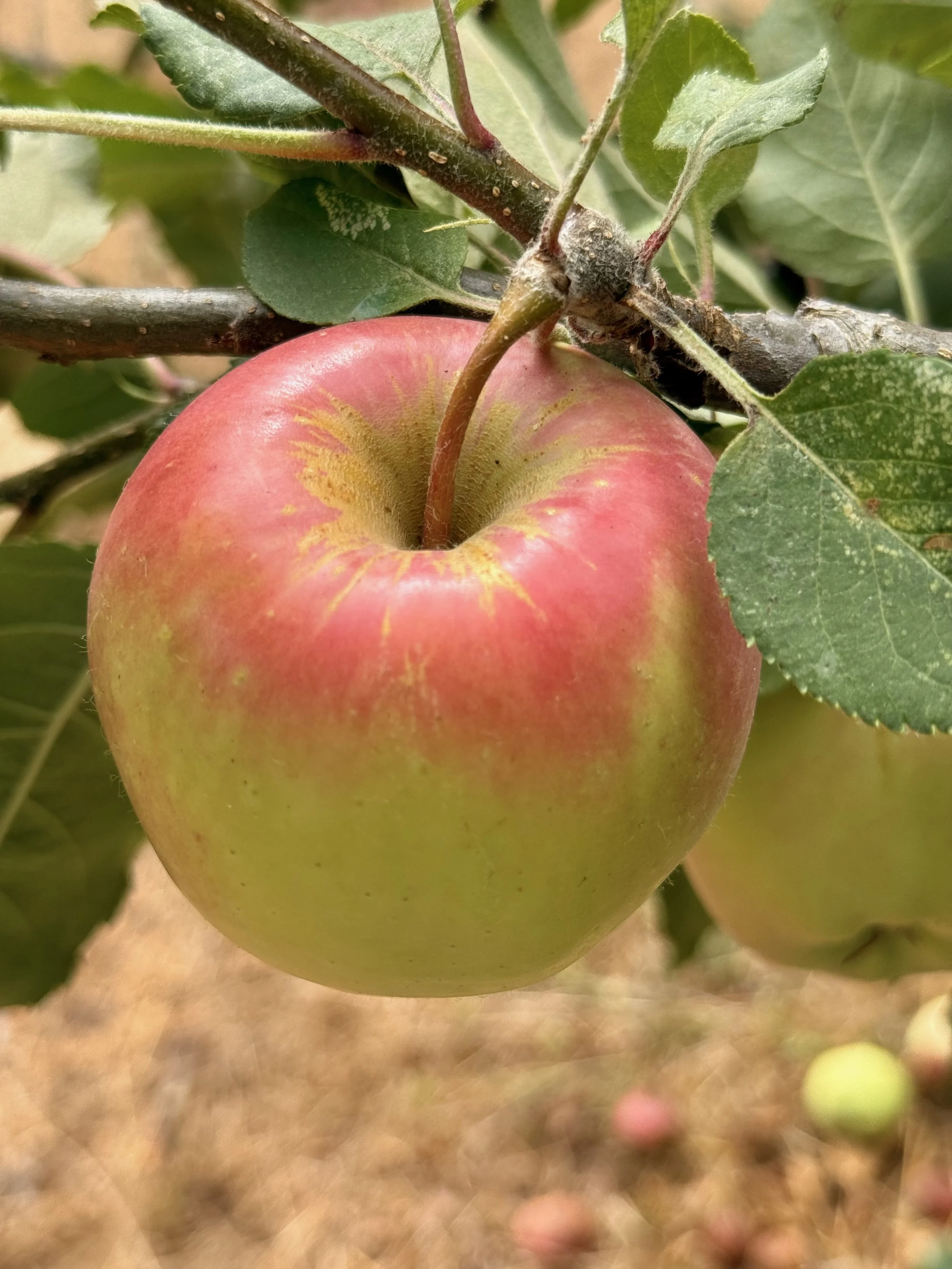
Organic apples that have been dry farmed like ours are rare however. They have sun-blasted concentrated juices - not perfect looking by any means, not pumped up (flavors watered down) from irrigation. They have thicker skins, the better to protect the flesh, and you will sometimes find critter litter near the core. All 24+/- of our heritage trees, many grafted to very old wood by master orchardist Vidal Esponosa, have flavors that speak to the weather up here on the ridge; a medley of textures and aromas, faint but redolent. Close your eyes and you get a hint of eau du ridge- top note of carmelized fruitsugar, middle notes of early morning fog from the Pacific filtered through the redwoods, base note of umami mountain funk.

Summer is almost gone, shouts from the pond have faded, our back aches linger longer in the mornings. But it is worth it all to wake and see autumnal fog blanketing the trees, breath in the perfume of all these apples. To savor the completeness that satisfies the dreamer long after she’s forgotten the dream.

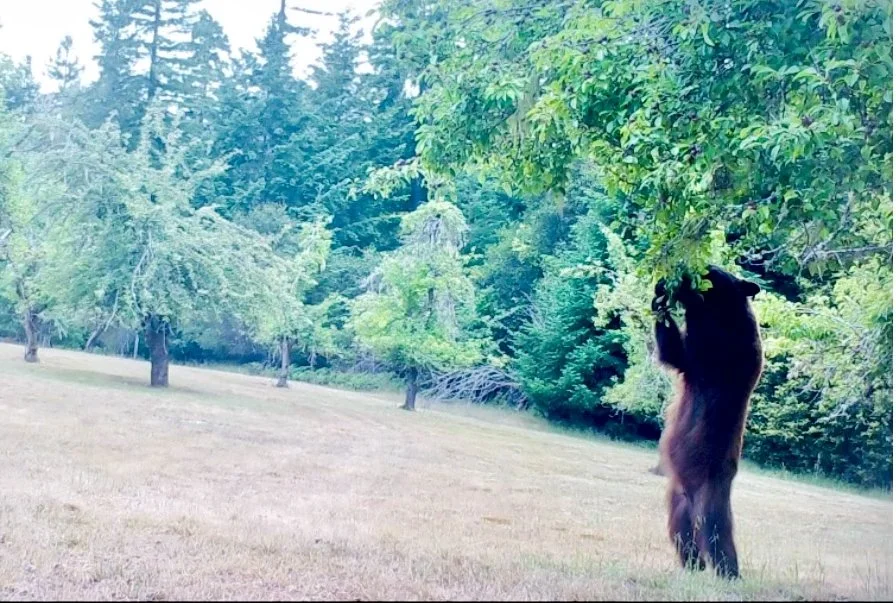
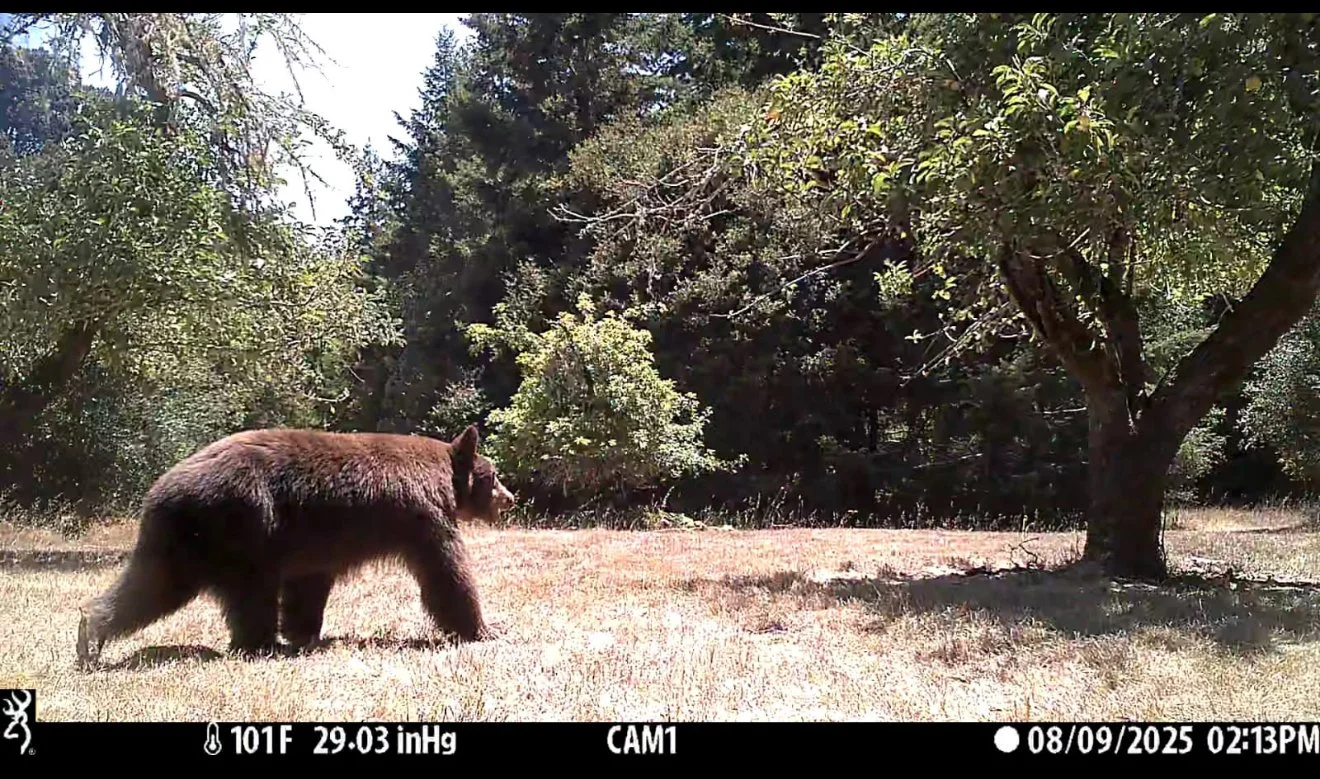
The California Grizzly that features as our state symbol has been extinct since the 1920’s, extirpated due to habitat loss and overhunting. But bears play a continuing role as ‘ecosystem engineers’ up here - their nutrient ‘recycling’ programs contribute all across our orchards, as well as a thing to behold, I mean these guys eat and defecate all night long people. But their size, which can be quite large, belies a shy and non-aggressive nature.

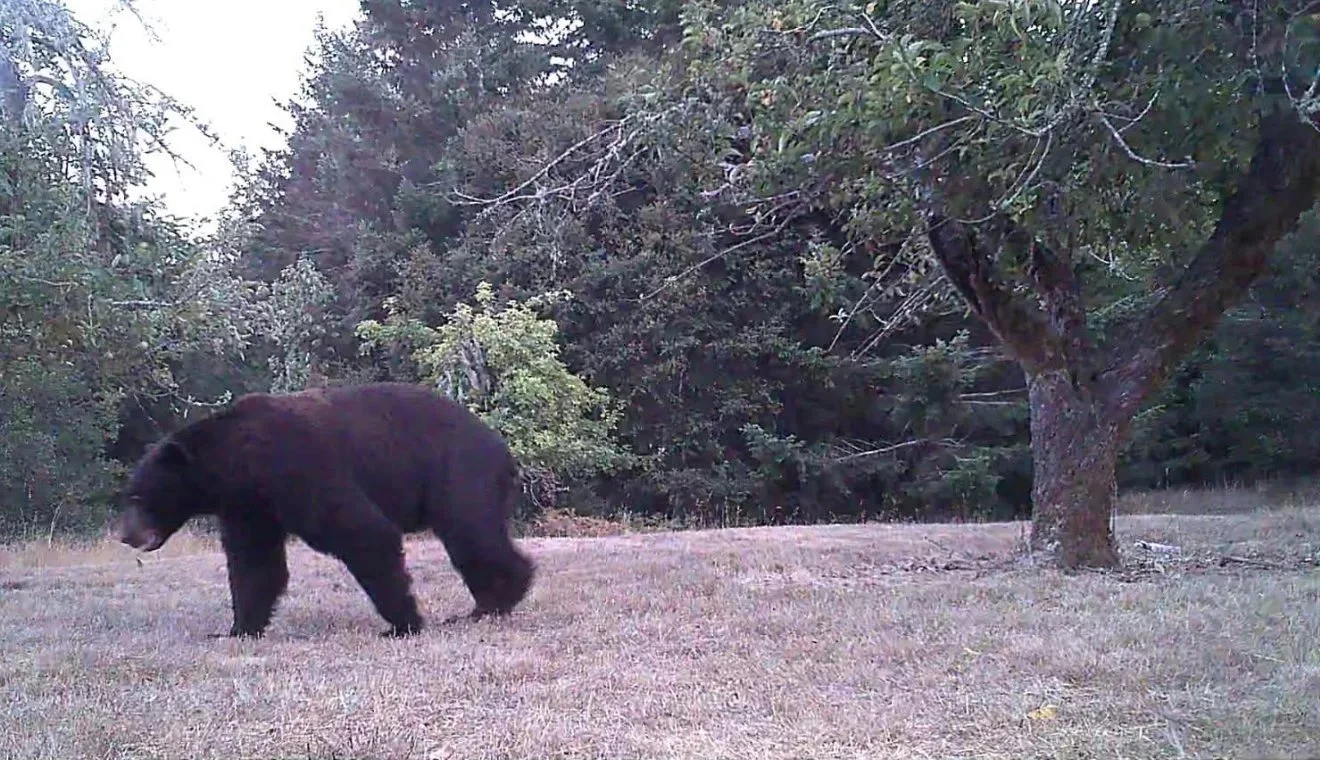
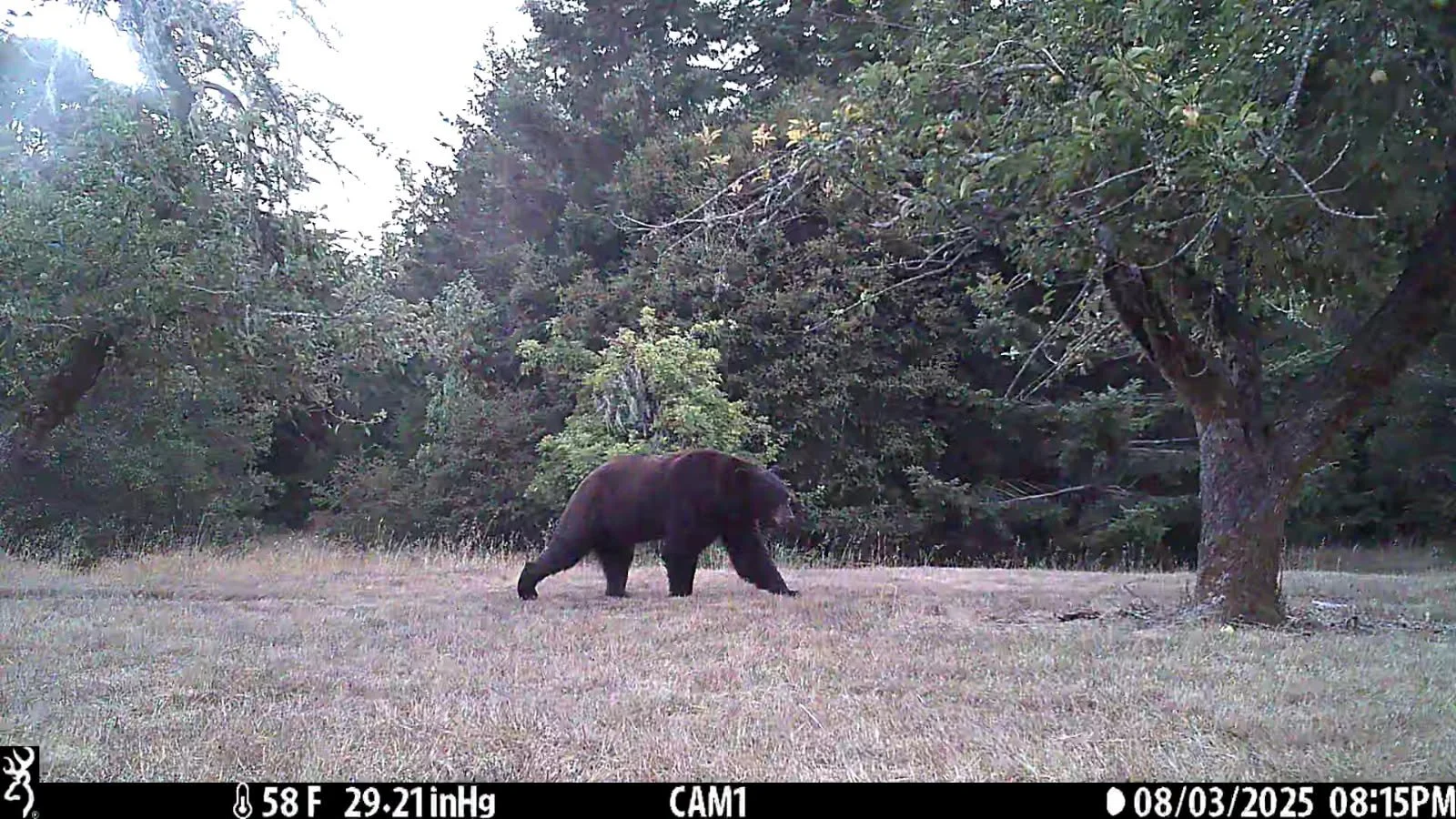
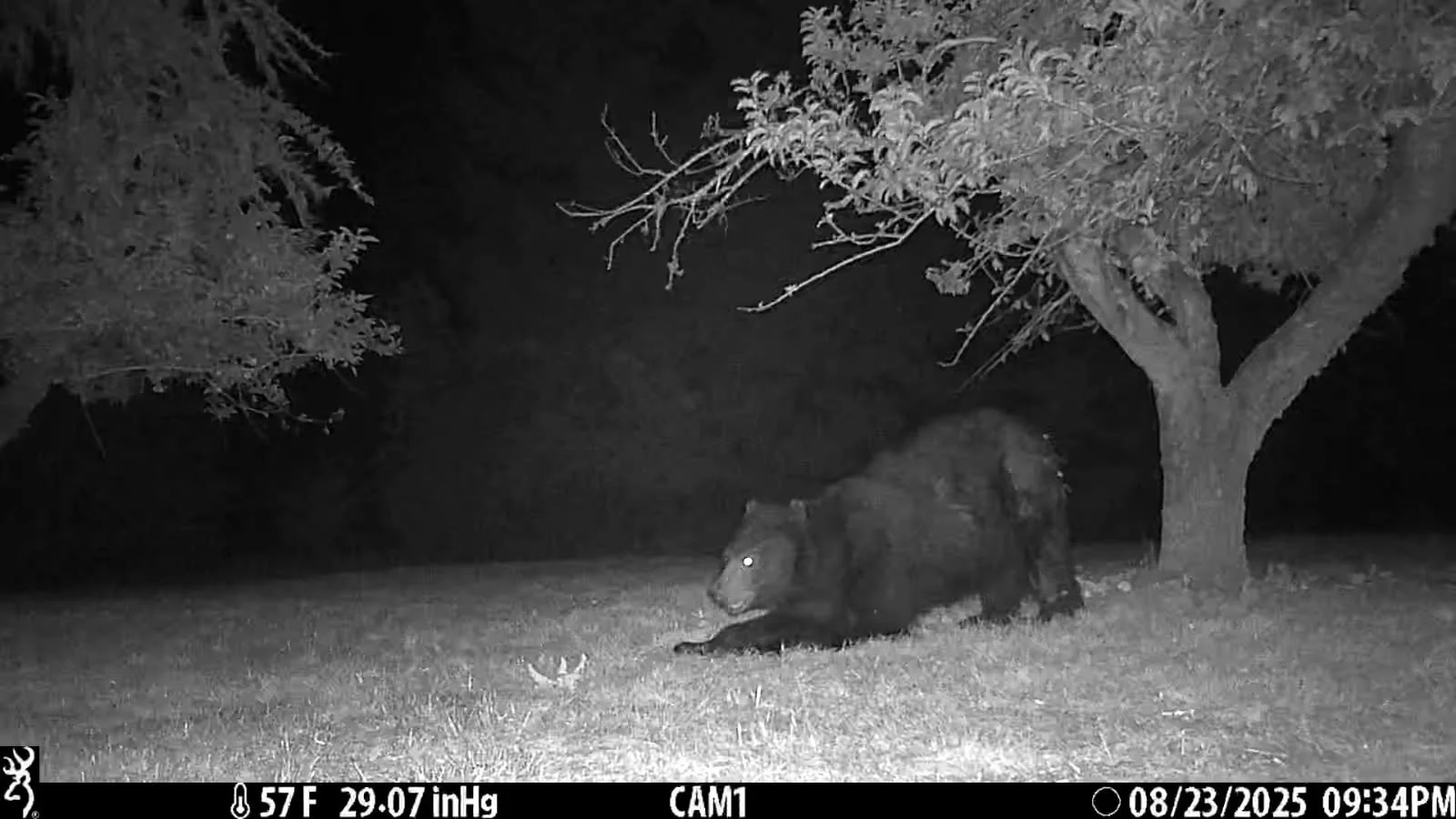
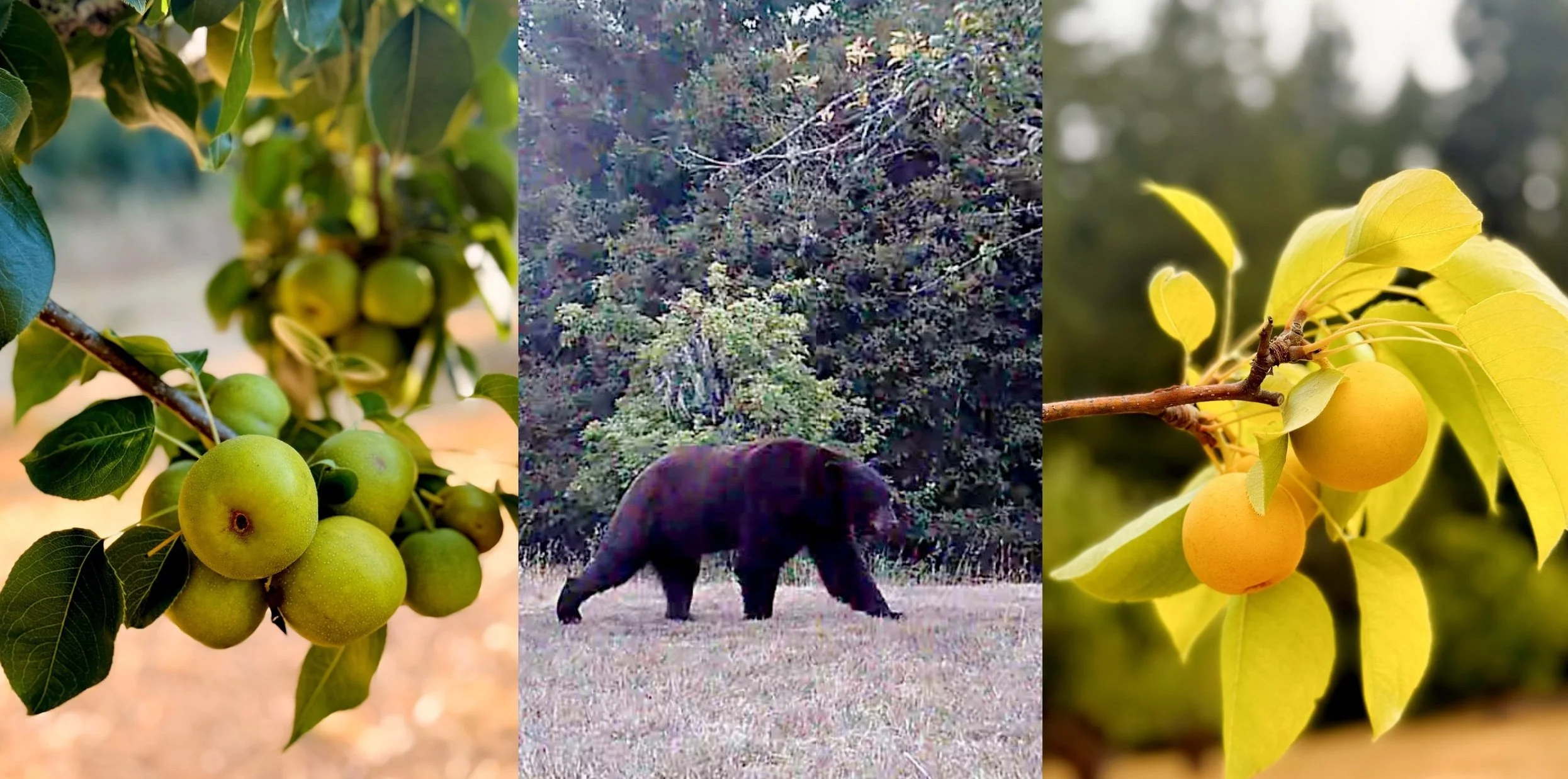
The wild California Black Bears - though they come in many shades of brown - that roam these mountains are gentle souls. In the over four decades we have been here we’ve yet to run into one face to face. These images, courtesy of our thoughtful neighbor Dennis, whose family was one of the earliest settlers to Anderson Valley, looked out his kitchen window earlier this week and came face to face with one of the midnight marauders in his orchard. They had a brief staring contest. Then the bear took off before Dennis could say boo.

Comment

1 Comment

The Crush

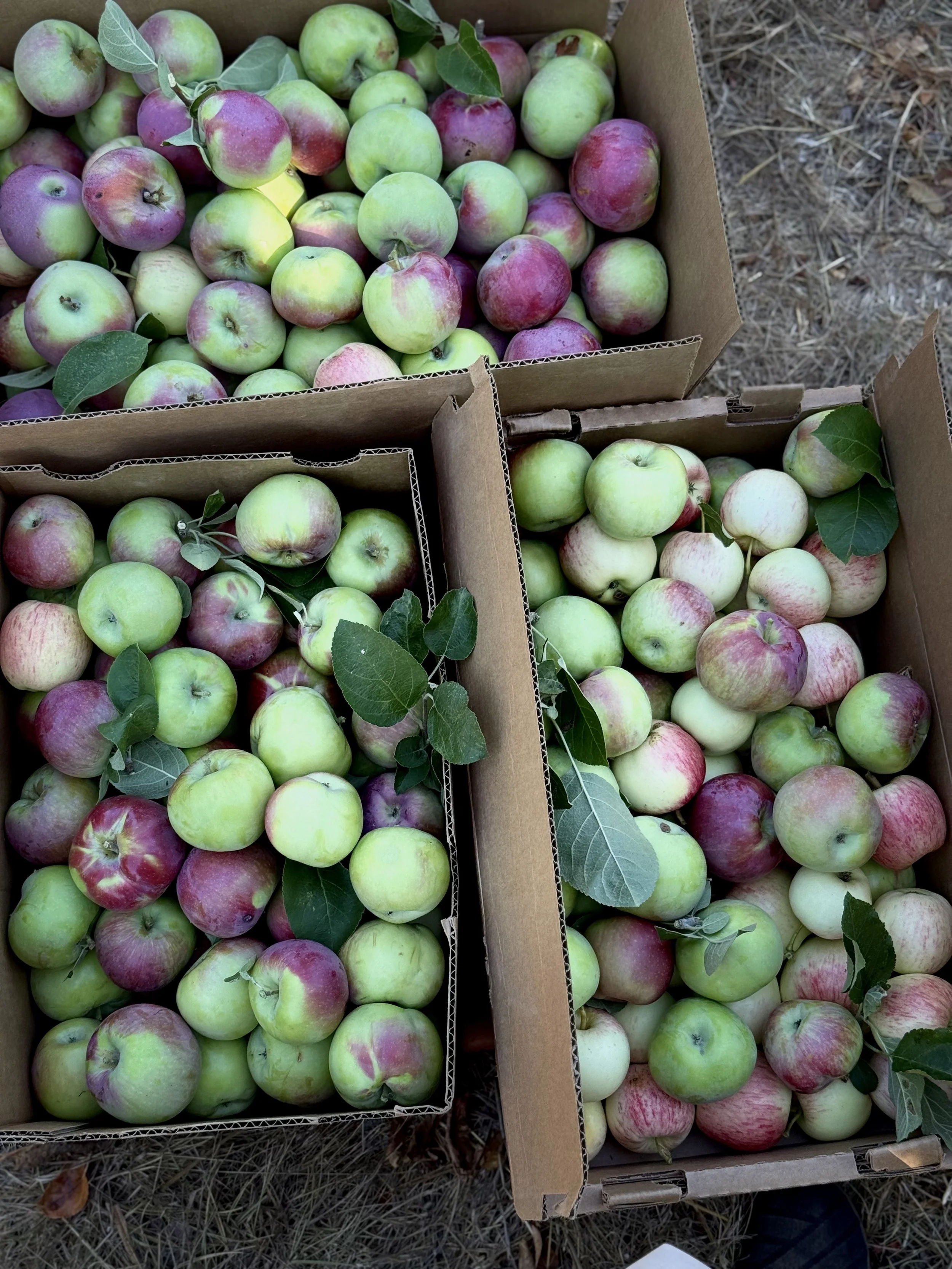
Turns out you can do a great many things with apples besides eating one a day to keep mortality at bay. You can juice ‘em, of course, but incredibly, without adding anything at all except labor, time, and TLC, you can also make sweet and hard cider, apple syrup, apple cider vinegar and aged apple balsamic.

Following our unwritten mantra here at Barndiva to never do anything at half measure when we can over-extend and really drive ourselves crazy, we went full monty on our apples this year.  In the next few months we will attempt to make ALL of the above.  What the hell, right?

We’ll keep you posted on the results as the kitchen and bar concoct dishes and cocktails from fresh juice and syrup while we slowly ferment in drums and barrels the bulk of what we juiced for apple cider vinegar, and down the road, balsamic. The good thing about a labor of love is that even when heavy on the labor, as this one certainly was, whatever happens, you get to keep the love. Which is pretty much what we all felt on Tuesday Sept. 23, a balmy Fall kissed afternoon that was equal parts exhausting and exhilarating. We were blessed to have been invited to use an apple press just 2 miles down the Philo-Greenwood Road from the farm, at the gorgeous Philo Apple Farm, where Karen and Tim Bates and their children have been good neighbors and great friends for three decades. Full disclosure: Tim and Karen had agreed to mentor us on the fine art of cider and vinegar making after dinner and a long night of drinking upstairs at the Barn a few months ago. We laughed about it afterward but the truth is they've always been generous sharing the skill set they've gained over the years slowly transforming 40 overworked acres of commercial apples into an organic, bio-dynamic, heirloom fruit and vegetable farm where they also excel in design, gardening and hospitality in ways that are off the hook yet somehow classically sublime. I do not use that word blithely. The Philo Apple Farm is a treasure.

Karen would be the first to tell you that in the remarkable way they always offer encouragement they are only following customs endemic to most small family farm communities, where sharing hard won knowledge is a badge of honor as much as a way to pass time;  where time itself, that most precious commodity for a farmer, is mutable when it comes to lending a hand.

The Bates agreed to open their press to us during their very busy harvest, when pressing and jamming their apples and fruit is almost nonstop, so that our chefs  - always eager to get closer to the ‘farm’ part of our farm to table ethos - could participate.

Their beautiful old press sits above the Navarro River shaded by plane trees that refreshingly, for our evergreen side of Anderson Valley, act like trees should this time of year with leaves turning brilliant crimson yellow and gold. Everybody but little Rylee, the dogs and yours truly, handling the camera, threw their backs into it. Local radio KZYX was on low, playing Mexican dance music; the air was redolent of wood smoke then, increasingly, sweetly pungent with the smell of freshly pressed apples. Five tons of them.

As tired as we all were at the end of the day, the only thing crushed were the apples. Spirits ran high as we carefully placed a half dozen 55 gallon drums into our lower barn where they will begin the process of losing their sugar, then alcohol, on the way to becoming vinegar and (hopefully, this part being a bit trickier) balsamic. We also have 100 gallons of fresh juice here in Healdsburg, the better to offer cocktails like “Why Bears Do It” to our customers through the year. We even managed to start ten gallons of hard cider - an experiment which has been a long time coming. The only thing on our wish list it looked like we would not accomplish, reducing fresh juice for eight hours to made something approximating the ethereal apple syrup the apple farm produces, Rita Bates, rare and beautiful creature at heart that she is, took on for us. Heavy brown glass jugs of it now sit in pride of place in Barndiva's pantry to be used in desserts and savory dishes like apple glazed whole roasted chicken. Yum.

Barndiva would like to give a big shout out to Tim Bates for opening the press on a Tuesday and also finding the time to help us move our apples from farm to farm; to the awesome Sophia Bates, who like her mum makes it all look easy even when its not; to Rita, Jerzy, and Lauren, and most especially to Vidal Espinoza, our farm manager of thirty years who spent weeks picking and mixing the heirloom varieties that give our juice - and now hopefully our vinegar and balsamic - its unique, dry farmed ridge-top flavor profile.

And, as ever, I’d like to thank chefs Fancher, Wycoff and Mulligan, who despite being in the middle of an exhausting summer season here at Barndiva showed up on their day off to crush apples with us.  This was truly a family affair we will remember and cherish.

Studio Barndiva’s multi talented manager Dawid Jaworski edited my images into the 2 minute video of what crush looked like on that resplendent Fall day. 

Drink the View!

Geoffrey, Lukka, Daniel and Jil

1 Comment

Comment

Apple Harvest Begins with an Homage to Johnny (Appleseed that is)

While History has an inevitable way of dumbing down the complexity of human nature, most of us have gotten the memo by now that there was more to Johnny Appleseed than we were taught as children - the proto-hippie who wandered the American mid-west barefoot and barely clothed, randomly throwing apple seeds everywhere he went. To my mind the engaging pragmatism of John Chapman’s story is what makes him most fascinating, starting with the fact that far from random his travel routes across Pennsylvania, Indiana and Ohio were guided by the expectation of settlements spurred by the great migration west.  

When his seeds pushed their way up through marginally tilled hard scrapple dirt and managed, with no irrigation save rainfall, to grow, he fenced them into orchards which he then rented, bartered or sold to new settlers at a time when having a standing orchard of apples and pears was often a prerequisite for claiming ownership of land. 

Another pre-requisite to survival - though more a cultural imperative than a legal one - was the ability to have a cheap and easy way to make hard cider, “the nectar of the frontier.” Yet though he was responsible for propagating most of the wild apples across the mid-west used to make booze, Johnny himself did not drink. Nor did he marry. Nor did he care about possessions, though at the time of his death he was technically a “wealthy” landowner.

Set against the modern model of an entrepreneurial American, though he obviously had a businessman’s brain in that tousled head, grace and salvation, not greed, was what motivated and defined Johnny Appleseed.

Interesting fellow. Even the tin pot he wore on his head was more canny than crackpot - it was simply the easiest way to carry his main cooking implement.

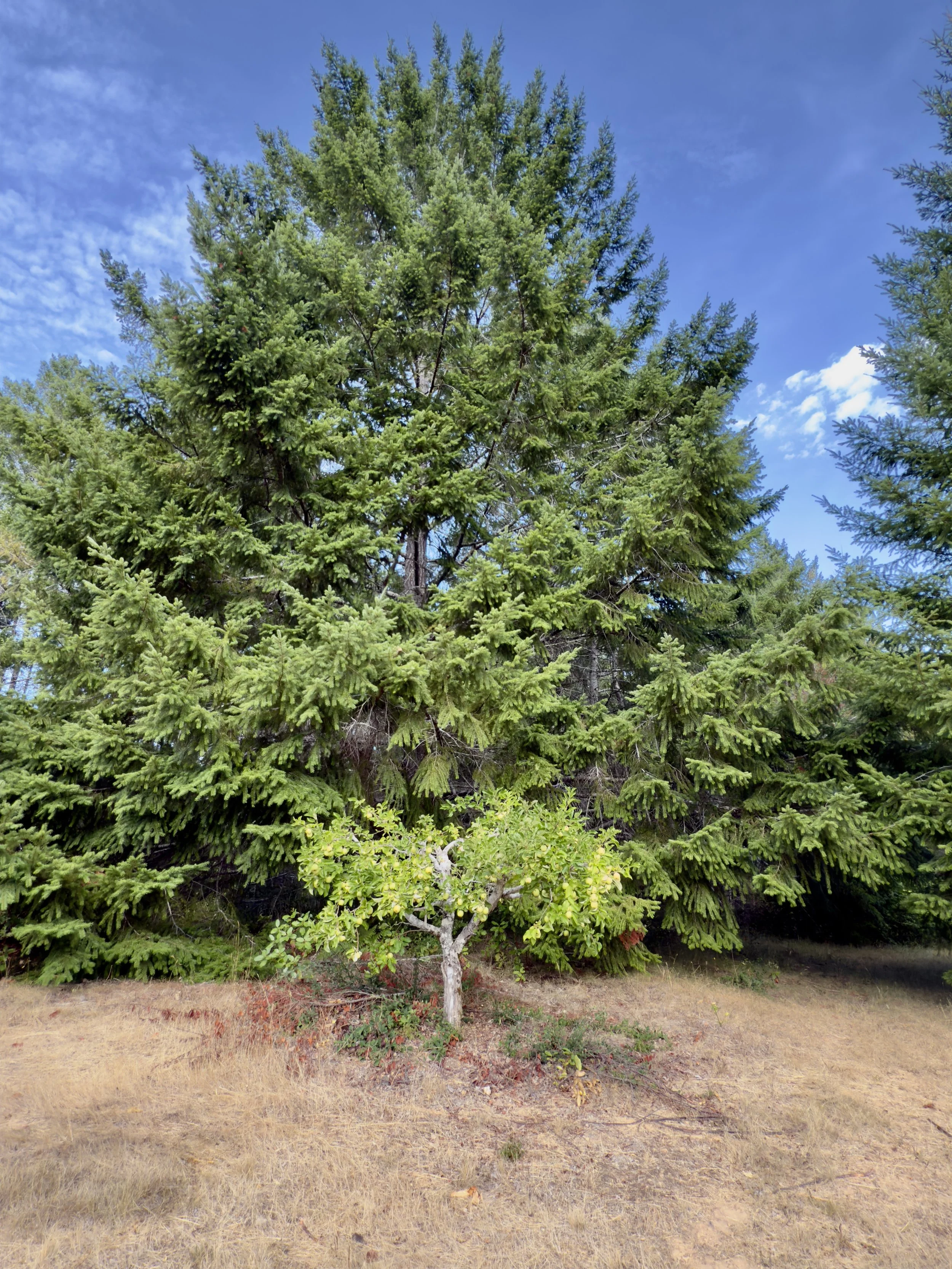
The definition of a wild apple is one propagated only by seed, what we commonly call crabapples. In another lifetime, when wine barrels and cider stills could be found down most dirt roads in Mendocino there was a crazy quilt orchard of crabapples on our ridge, pulled out, along with all our wine grapes, during prohibition. The single crabapple tree that survived probably only got a reprieve because it was near the kitchen garden - Pectin rich, crabapples were often used in jams to thicken them. 

What makes crabapples great for cider is what makes them horrible for eating. They are small and knobby, usually sporting a blemish or three. They are bitter, with very little flesh on them. But oh are they great for developing flavor as they ferment.

 We managed a full case of crabapples this year from our single antique tree, and with a new project looming at the barn that will explore less familiar tastes and aromas in food and wine, I was curious what the kitchen could do with them. The flavor profile is intriguing - tart like a Greening, crisp like a Mac, but without almost any residual sugar. Our long suffering pastry chef Octavio Alcazar (who just got through processing a ton of figs from our harvest which come in all at once) choose to poach them, devising a liquor he hoped would soften the tannins while teasing out more subtle flavors.

He used La Vielle Ferme Recolte, a white Rhône from Chateau Beaucastel, threw in a handful of vanilla beans, lemon peel and bay leaf. This mélange brought out surprising floral notes to the crabapples, while the flesh – the little there was of it - retained a curiously crisp bite. 

Instead of a classic pairing with pork or duck, Chef served a trio of poached crabapples alongside another old-timer making its brief seasonal appearance in the dining room this month, the heavenly Gravenstein. 

The Gravenstein is a very special apple - a cultivar that started its life as a chance seeding in Denmark almost 400 years ago.

Brought over to California by Russian fur traders who landed in Fort Ross in the early 1800’s, Gravensteins took root and thrived in Northern California for generations - especially prolific in Western Sonoma County.  

Sweet yet tart, they are incredibly delicious cooked into pies and sauce, excellent for juice and cider.   

Sadly, because they are difficult to harvest and do not keep well, Gravensteins* were one of many apples that began to disappear with the great American dumbing down of fruit and vegetable varieties which followed the rise of commercial farming - though in this particular case Gravensteins orchards were not pulled out to plant other apple varieties so much as to make way for grapes.

We run through our precious supply of dry farmed Gravs from the ridge pretty quickly, but the week the crabapples made their appearance we were still baking light and fragrant Gravenstein tarts for the dessert menu. Octavio devised a delicately spiced flakey crust, baking the apples until just their edges begin to caramelize. We finish the tart with a light dusting of confectioner’s sugar and serve it with a creamy scoop of refreshing Wyeth Acre Goat Milk Ice Cream which I wrote about a few weeks back and is fast become a dining room favorite.  Already a wonderful dessert, the crabapples added a bit of gravitas (sorry, couldn’t resist). 

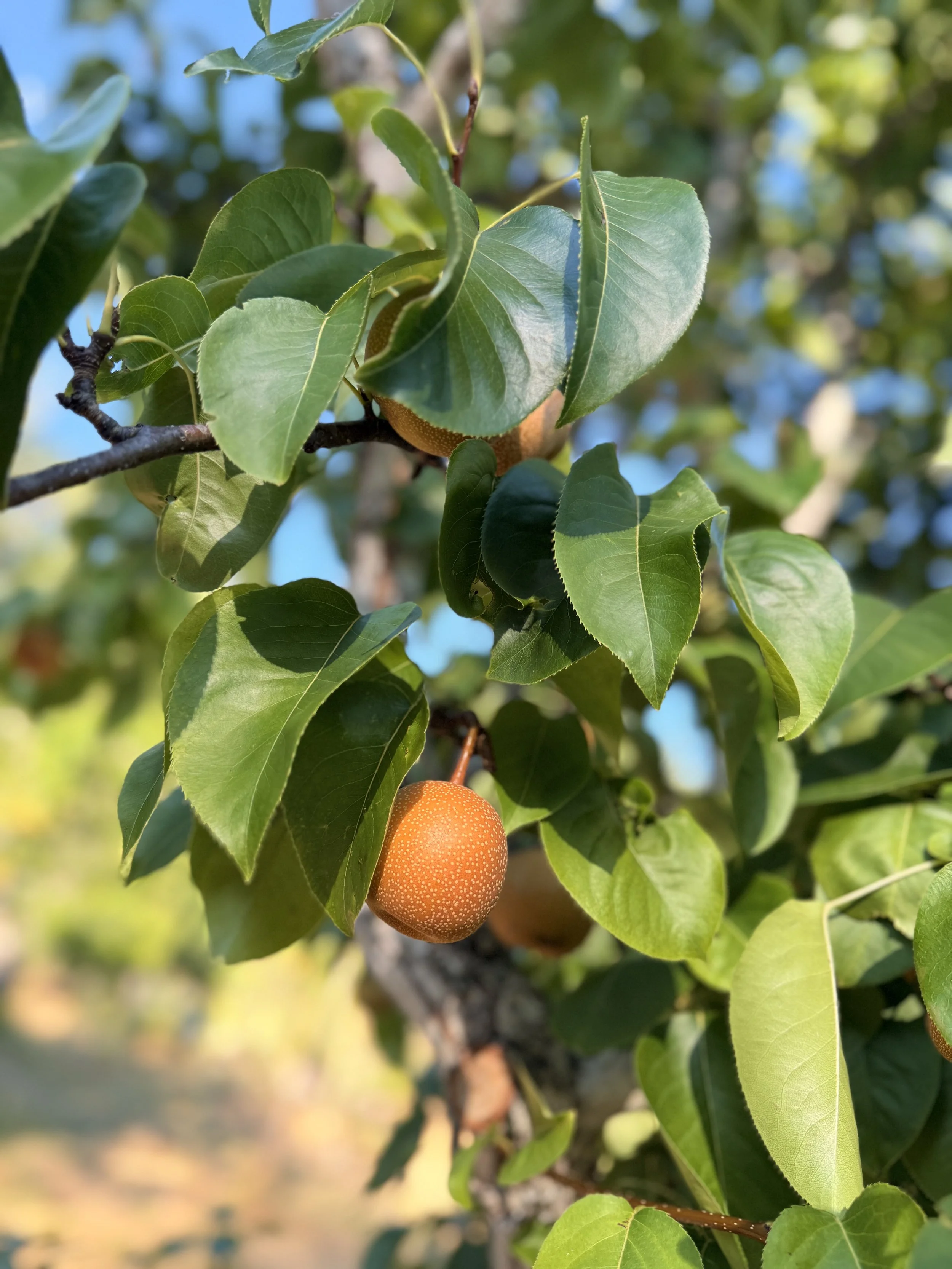
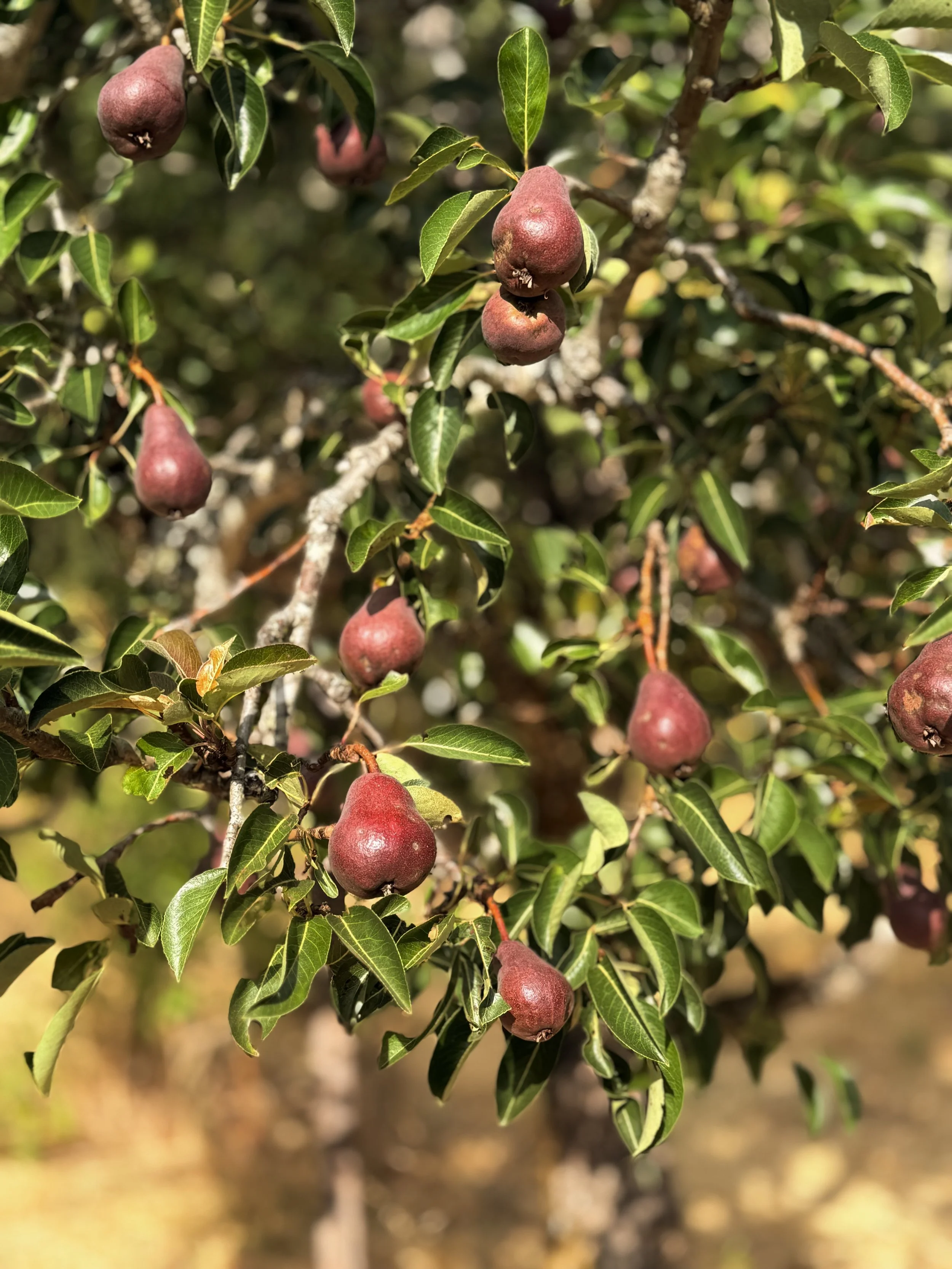
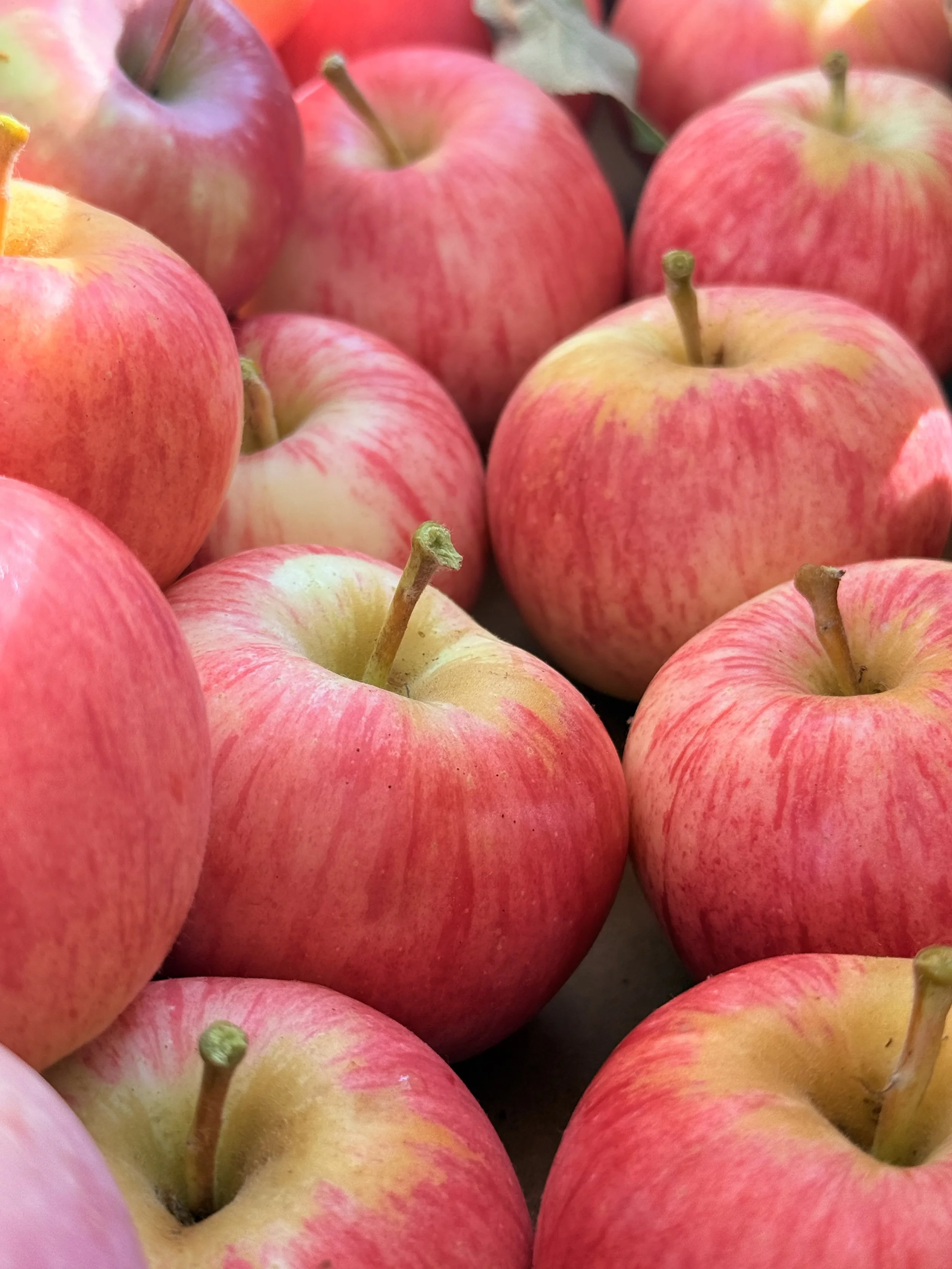
Gravenstein Apple Tart with Wyeth Acre Goat Milk Ice Cream and Poached Crabapples - our humble homage to the unusual historical figure of Johnny Appleseed- may be gone by the time you read this, but apple harvest is just picking up steam. Pink Pearls and Macintosh arrived this week (along with the first of the Asian pears and red and gold Bartletts) so no worries, our apples will continue to make an appearance in one form or another in the dining room through Fall.

And Daniel and Lukka have once again entered Barndiva Farm in the Mendocino County Apple Fair where we won quite a few ribbons last year. If you’ve never been to a real country fair and you’re in striking distance to Boonville this Sept. 12-14, don’t hesitate. Country Fairs are a great way of supporting family farms, especially young farmers, and of keeping food and sustainable farming traditions alive.

If you can’t make it up to Mendocino in Sept. but crave a taste of apple cider history, come in and sidle up to the bar where Rachel, Sarah and George will be happy to pour you a flight of handcrafted apple ciders made right down the road from us in Sebastopol by the Devoto Family,  organically farming heirloom apples since 1976. One of their ciders is made from 95% Gravensteins.  A real treat, one you can enjoy all year. Come on in and raise a glass to Johnny. 

* While Gravenstein production will never return to Sonoma County in any great numbers, it is now highly sought after thanks in great part to the efforts of The Russian River Slow Food Convivium, who helped get the Grav into Slow Foods vaunted Arc of Taste in 2013.  Wherever you call home, The Arc of Taste is a wonderful thing to support. Learn more about the Sebastopol Gravenstein Apple Presidium.


Comment